The Alberto Ruz Lhuillier Museum of Archaeology in Palenque is more than just a collection of artifacts—it’s a gateway to understanding the Maya civilization that once thrived in these jungles. Named after the archaeologist who devoted his life to uncovering the secrets of Palenque, the museum sits on the edge of the modern town, a quiet counterpart to the towering ruins nearby. Its purpose isn’t merely to display relics but to weave together the story of a people who built a city of stone and then vanished, leaving behind only fragments of their world.
The building itself reflects the architectural traditions of the Maya, with its low vaulted ceilings, thick walls, and open courtyards designed to offer respite from the heat. Inside, the exhibits begin with a broad overview of the region’s history before narrowing in on the specifics of Palenque, one of Mexico’s most significant archaeological sites. The focus here is on the discoveries made within these ruins, from everyday objects to monumental inscriptions that reveal the city’s political and spiritual life.
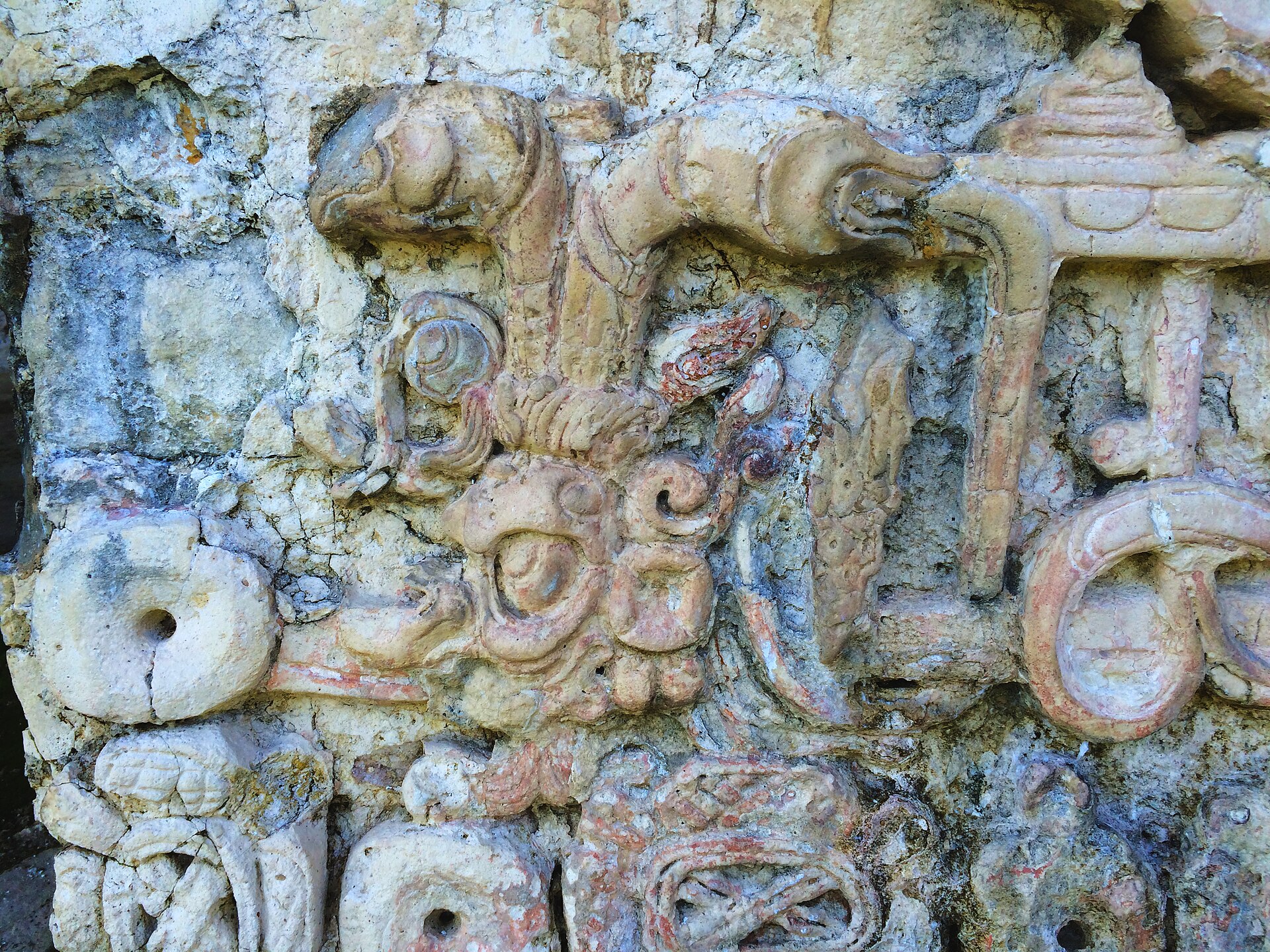
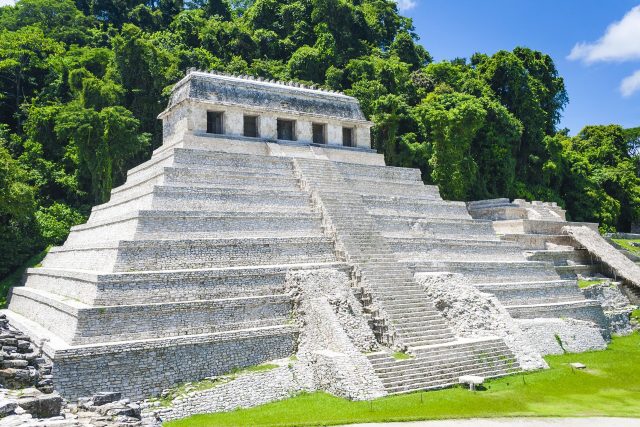
Among the most striking pieces are the stone carvings and glyphs that depict the rulers of Palenque, their battles, alliances, and rituals. The museum doesn’t just present these artifacts—it explains their context, helping visitors grasp how the Maya recorded their history and understood their place in the cosmos. A highlight is the reconstruction of the tomb of Pakal the Great, the ruler whose burial chamber was found beneath the Temple of the Inscriptions. Seeing it here makes the later visit to the actual ruins far more meaningful, as the museum provides the background to appreciate what lies beneath the jungle canopy.
Palenque reached its peak in the 7th century under Pakal and his son, when it became a dominant political and cultural force in the Maya world. The museum delves into this golden age, showing how art, architecture, and writing flourished during this time. Visitors can see how the Maya depicted their gods, how they designed their temples to align with the natural landscape, and how they used writing not just for record-keeping but as a form of artistic expression. The exhibits make it clear that this was a society deeply connected to its environment, one that saw the divine in the rhythms of nature.
What sets this museum apart is its connection to the ruins themselves. Walking through the exhibits, you begin to recognize the faces of rulers, the symbols of power, and the architectural styles that define Palenque. The museum doesn’t overwhelm with sheer volume; instead, it carefully selects pieces that tell a story, making the later exploration of the ruins feel like stepping into a familiar world. The models of buildings, for instance, help visitors visualize the scale of the ancient city, while the detailed explanations of glyphs bring the past to life in a way that simply wandering among the stones cannot.
The museum also approaches its subject with a sense of respect, avoiding the temptation to romanticize or oversimplify Maya history. Instead, it presents the past through multiple lenses—archaeology, anthropology, and modern research. Visitors learn how scholars decipher glyphs, restore damaged artifacts, and use technology to uncover the secrets of ancient structures. There’s no attempt to gloss over the complexities; the exhibits acknowledge the gaps in our knowledge and the ongoing nature of discovery.
Beyond the classic Maya period, the museum touches on the later history of Palenque, including its abandonment in the 9th century and its rediscovery by Spanish explorers in the 18th century. The exhibits trace the gradual realization of the site’s importance, from early expeditions to the challenges faced by archaeologists working in the dense jungle. It’s a reminder that the ruins we see today are the result of centuries of curiosity, perseverance, and sometimes luck.
A visit here is less about ticking off exhibits and more about immersing yourself in the atmosphere of the place. The museum invites you to linger, to read the descriptions, and to let the details sink in before heading out to the ruins. It doesn’t provide all the answers—it leaves room for questions, for wonder, and for the kind of reflection that only comes when you stand in the presence of something truly ancient.
Palenque is more than a tourist destination; it’s a place where history feels tangible. The Alberto Ruz Lhuillier Museum doesn’t just preserve that history—it makes it accessible, helping visitors connect with a civilization that, despite its disappearance, still speaks through its art, its architecture, and its enduring mysteries. The quiet of the galleries, the weight of the artifacts, and the stories they tell all serve as a reminder of how much we can learn from the past—and how much we still have to discover.