Palenque is one of those rare places where the past doesn’t just linger—it breathes. Tucked deep in the jungles of Chiapas, this ancient Maya city is smaller than Chichén Itzá or Teotihuacán, but its intimacy makes it all the more powerful. There are no crowds here, no tour buses lining up at dawn, no vendors hawking trinkets at every turn. Instead, there’s silence, broken only by the rustle of leaves and the distant calls of howler monkeys. The ruins feel alive in a way that few archaeological sites do, as if the stones themselves remember the people who once walked among them.
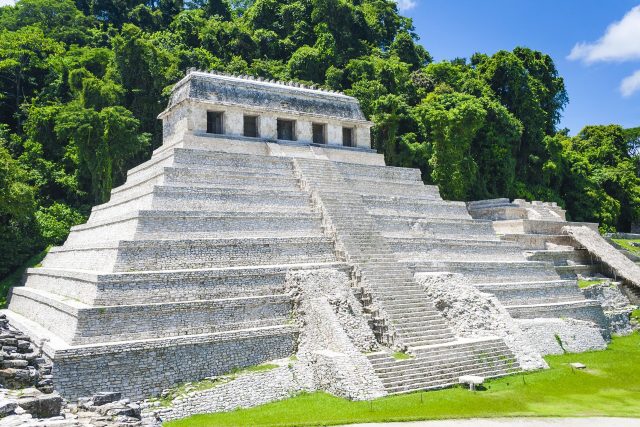
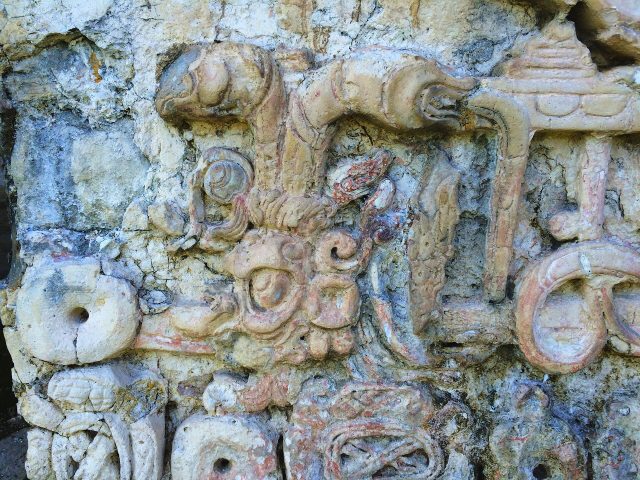
What sets Palenque apart is its architecture. Unlike the imposing pyramids of other Maya cities, the buildings here are almost delicate, their lines graceful rather than severe. The most striking example is the Temple of the Inscriptions, a masterpiece of both engineering and art. Beneath its stepped terraces lies the tomb of Pakal the Great, one of the most significant archaeological discoveries of the 20th century. The sarcophagus, adorned with intricate carvings, depicts Pakal’s journey into the underworld, while the temple’s walls are covered in hieroglyphs that recount the city’s history. It’s not just a monument—it’s a time capsule, preserving the voices of a civilization that vanished over a thousand years ago.
Palenque flourished between the 6th and 8th centuries, a golden age when it became a political and cultural hub. The Maya who lived here were astronomers, mathematicians, and artists, and their knowledge is etched into the city’s layout. Many structures align with celestial events—the Temple of the Cross, for instance, was built to track the sun’s movements, its steps acting as a calendar in stone. The city wasn’t just a place of power; it was a center of learning, where the Maya charted the stars and recorded their discoveries in glyphs that would puzzle scholars for centuries.
The jungle around Palenque isn’t just a backdrop—it’s part of the story. For hundreds of years, the city lay hidden beneath dense foliage, forgotten even after the Spanish conquest. It wasn’t until the 18th century that hunters stumbled upon its crumbling temples, and even then, it took decades for archaeologists to realize what they’d found. The first excavations revealed a city swallowed by the forest, its plazas and palaces reclaimed by vines and roots. Today, the jungle still feels like a guardian, its presence a reminder that nature and history are intertwined here.
Visiting Palenque is unlike walking through most ruins. There are no souvenir stalls crowding the pathways, no loudspeakers blaring facts in half a dozen languages. Instead, there’s space to wander, to sit on a sun-warmed stone and listen to the wind moving through the trees. The best time to come is early morning, when mist clings to the temples and the light is soft, turning the limestone golden. By midday, the heat settles in, but the shade of the jungle offers relief, and the sound of waterfalls in the distance draws visitors toward hidden trails.
The national park surrounding the ruins is as much a part of the experience as the archaeological site itself. Trails wind through the forest, leading to waterfalls like Misol-Há, where water cascades over moss-covered rocks into a deep pool. The air is thick with the scent of damp earth and tropical flowers, and if you’re lucky, you might spot a toucan or a troop of spider monkeys swinging through the branches. The jungle here is alive in a way that’s hard to describe—it’s not just scenery, but a living, breathing presence that makes the past feel closer.
Palenque may not have the fame of other Maya sites, but its contributions to history are immeasurable. The discoveries made here—from the decipherment of Maya glyphs to the unearthing of Pakal’s tomb—reshaped our understanding of the civilization. The hieroglyphs on the Temple of the Inscriptions were a Rosetta Stone of sorts, unlocking the secrets of a language that had been lost for centuries. Today, the site is a UNESCO World Heritage treasure, recognized not just for its beauty, but for the stories it holds.
If you come to Palenque, don’t rush. Spend the day wandering the plazas, climbing the temples, and watching how the light shifts over the jungle as the sun moves across the sky. Stay until the late afternoon, when the last of the tourists leave and the ruins grow quiet again. That’s when the magic happens—when the past feels almost tangible, and you can imagine the city as it once was: a thriving center of art, science, and power, now surrendered to the embrace of the forest. Palenque doesn’t need to shout to be heard. Its history speaks for itself.