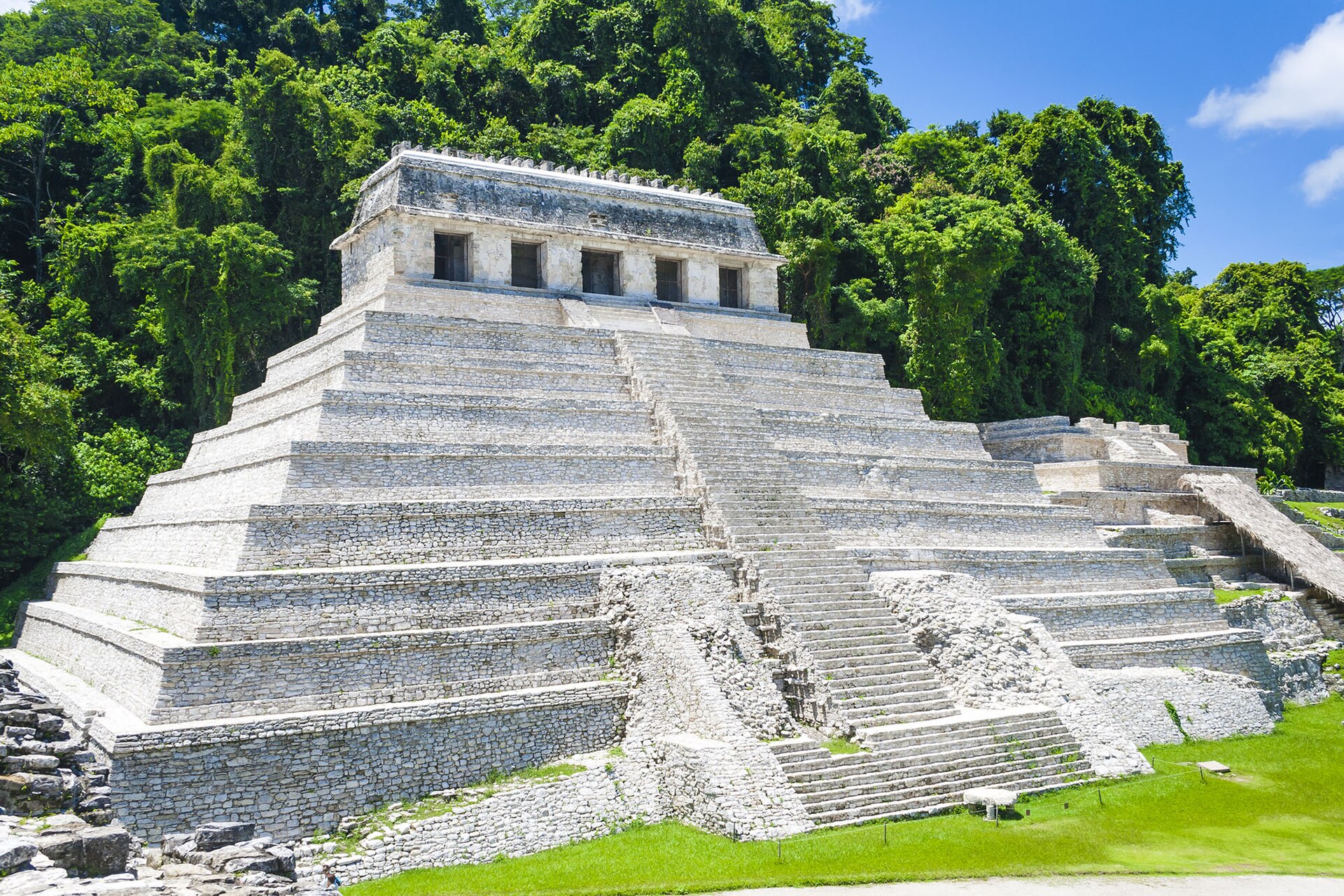
Palenque sits deep in the jungles of Chiapas, where the past doesn’t just linger—it breathes. The ruins of this Maya city rise from the earth like a memory half-remembered, their stone surfaces softened by time and vines. Among them, the Temple of the Inscriptions stands apart for what it holds. This is where history, power, and mystery converge in a single structure, built by a civilization that understood stone.
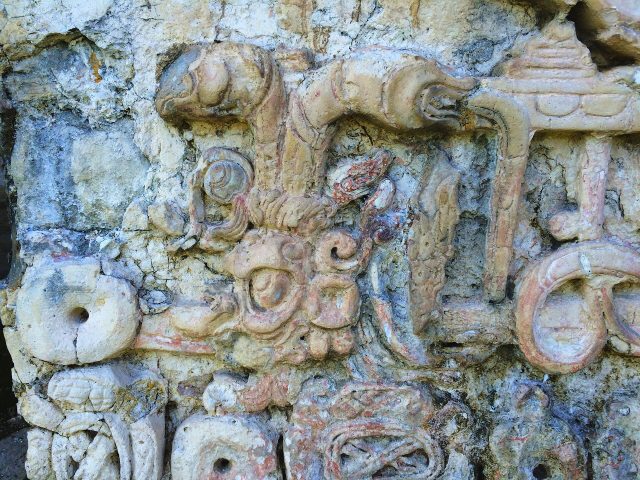
The temple takes its name from three massive stone tablets inside, their surfaces carved with some of the longest Maya glyphs ever found. These aren’t decorative—they’re a chronicle. They tell the story of K’inich Janaab’ Pakal, the ruler whose name means "Shield," a man who came to power at twelve and governed for nearly seven decades. The inscriptions detail his reign, his conquests, the rituals that bound him to the gods, and the divine right that made him more than a king. For scholars, these glyphs unlocked the political and spiritual life of Palenque in a way few other discoveries have.
The temple itself is a pyramid of nine stepped levels, each one an echo of the Maya underworld, with its nine layers of existence. A steep staircase climbs to the summit, where a small sanctuary once hosted ceremonies. But the real revelation lies beneath. In 1952, archaeologists discovered a hidden passage leading from the temple floor down into the heart of the pyramid, where Pakal’s tomb waited. The chamber held a sarcophagus carved with an image of the king in the moment of his death, descending into the jaws of the underworld. The scene is still debated: some see it as a depiction of the afterlife, others as a metaphor for rebirth. The details are precise.
The Maya didn’t build by accident. Every angle, every stone in the Temple of the Inscriptions was placed with purpose. The pyramid isn’t just a platform; it’s a model of the cosmos. The structure aligns with the solstices, so that at certain times of the year, sunlight spills across the glyphs. It’s a reminder that this wasn’t just architecture—it was astronomy, religion, and engineering fused into one. The people who built this understood the movement of the stars and carved their knowledge into stone without the tools we take for granted today.
What draws people here is the setting. Palenque is swallowed by jungle, the kind that hums with life—howler monkeys calling in the distance, the rustle of leaves, the thick, damp air that carries the scent of earth and green things. When you stand at the base of the temple and look up, it’s easy to imagine the city as it once was: alive, crowded, the air filled with the smoke of incense and the sound of drums.
The climb to the top is steep, the steps uneven. You’re not just a visitor; you’re part of the ritual, even if the only ceremony now is the quiet of your own thoughts.
Pakal’s tomb is closed to the public. Some things are too fragile to be exposed to the world, no matter how curious we are. But the temple itself is enough. It forces you to ask questions: Who were the people who built this? What did they hope to achieve? What did they fear? The Maya believed death wasn’t an end, but a passage, and Pakal’s tomb was meant to be a gateway. Maybe that’s why the temple feels charged, as if the energy of those who came before still lingers in the stone.
Palenque has other structures, some just as impressive. But the Temple of the Inscriptions is its signature. It’s a reminder that the Maya left behind stories we’re only beginning to understand. Standing at the top, looking out over the jungle canopy, it’s impossible not to feel a connection to the past. The wind carries the same sounds it did centuries ago, the same light filters through the trees. Time moves differently here. It doesn’t just pass—it folds in on itself, and for a moment, you’re standing in it.