Orșova
Romania · 7 places
Photo: Adi Szalma, CC BY-SA 3.0 ro
Orșova sits where the Danube carves its way through the Iron Gates, a narrow gorge that has shaped its history as much as the river itself. For centuries, this was a crossroads—where Roman legions marched, medieval traders haggled, and empires clashed. The Romans left their mark here, part of the province of Dacia, while later centuries saw Orșova serve as a strategic outpost between Hungary and the Ottoman Empire. Even the industrial boom of the 19th and 20th centuries left its traces, though today the town wears its past lightly. Crumbling facades stand beside modern buildings, and the streets wind unpredictably, climbing hills before plunging toward the water’s edge.
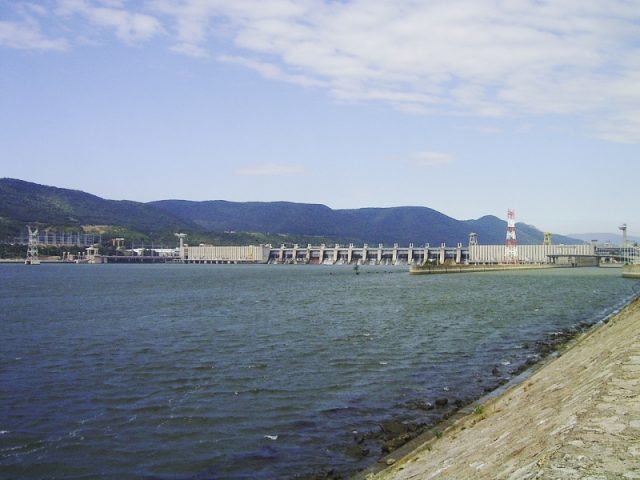
The Danube dictates life here. In some stretches, it narrows into a rushing torrent between sheer cliffs; in others, it widens into a glassy expanse, mirroring the sky. The construction of the Iron Gates Dam in the 1970s changed the river forever—parts of the old town were submerged, replaced by a vast artificial lake. Now, the waterfront is lined with parks and promenades where locals stroll in the evenings. In summer, the river draws fishermen and boaters; in winter, the banks grow quiet, broken only by the cry of gulls or the distant hum of a passing boat. The dam itself is a reminder of how drastically human hands can reshape a landscape, though the river’s power still feels untamed.
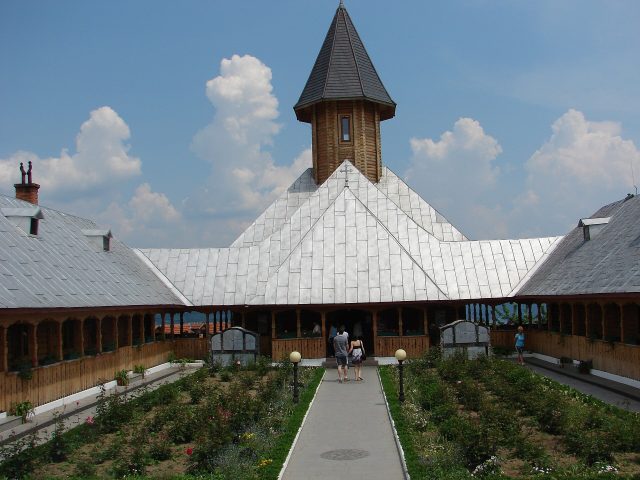
Beyond the town, the Carpathians rise in a tangle of forests and rocky slopes. The Iron Gates Natural Park offers trails that wind past ancient rock carvings and fragments of Roman roads, remnants of a time when this was the edge of the known world. For those who prefer less exertion, a short bus ride leads to villages where life moves at a slower pace, where old customs still hold sway. Nearby monasteries hide among the hills, their quiet courtyards a world away from the river’s current. And then there are the vineyards, where the local wine—sharp, earthy, and full of character—is pressed from grapes grown in the same soil that has fed generations.
Orșova is small enough to explore on foot in an afternoon. The center is a handful of squares connected by narrow streets, where cafes spill onto sidewalks and small shops sell everything from handmade crafts to fresh bread. Unlike Bucharest or Brașov, there are no crowds here, no rush. The rhythm is slower, measured by the river’s flow and the changing light. By day, people work in workshops or at the market; by evening, they gather along the waterfront or in the park, content to sit and talk. There are no luxury hotels or thumping nightclubs, just family-run guesthouses and restaurants where the food is hearty, simple, and unpretentious—stews thick with vegetables, grilled meats, and the kind of dishes that taste like home.
The best time to visit is spring or autumn, when the heat of summer and the bite of winter are both held at bay. The air is crisp, filled with the scent of damp earth and wild herbs, and the landscape glows with color. It’s a place for wandering, for listening to the river’s murmur, for watching the sun dip behind the mountains. Orșova doesn’t demand attention—it invites you to slow down, to notice the details, to let the past and present blur into something quiet and enduring.
See & Do
7 places

Places on the map
Marker colour follows the categoryClimate and weather
Detailed weather: Orșova- Average temperature
- 14 °C
- Precipitation per year
- 646 mm
- Average humidity
- 72 %
- Sunshine hours per day
- 9.2 h
- Time zone
- UTC+3 (GMT+3)
Average air temperature
°C
4
5
9
13
16
23
26
25
20
14
8
5
Jan
Feb
Mar
Apr
May
Jun
Jul
Aug
Sep
Oct
Nov
Dec