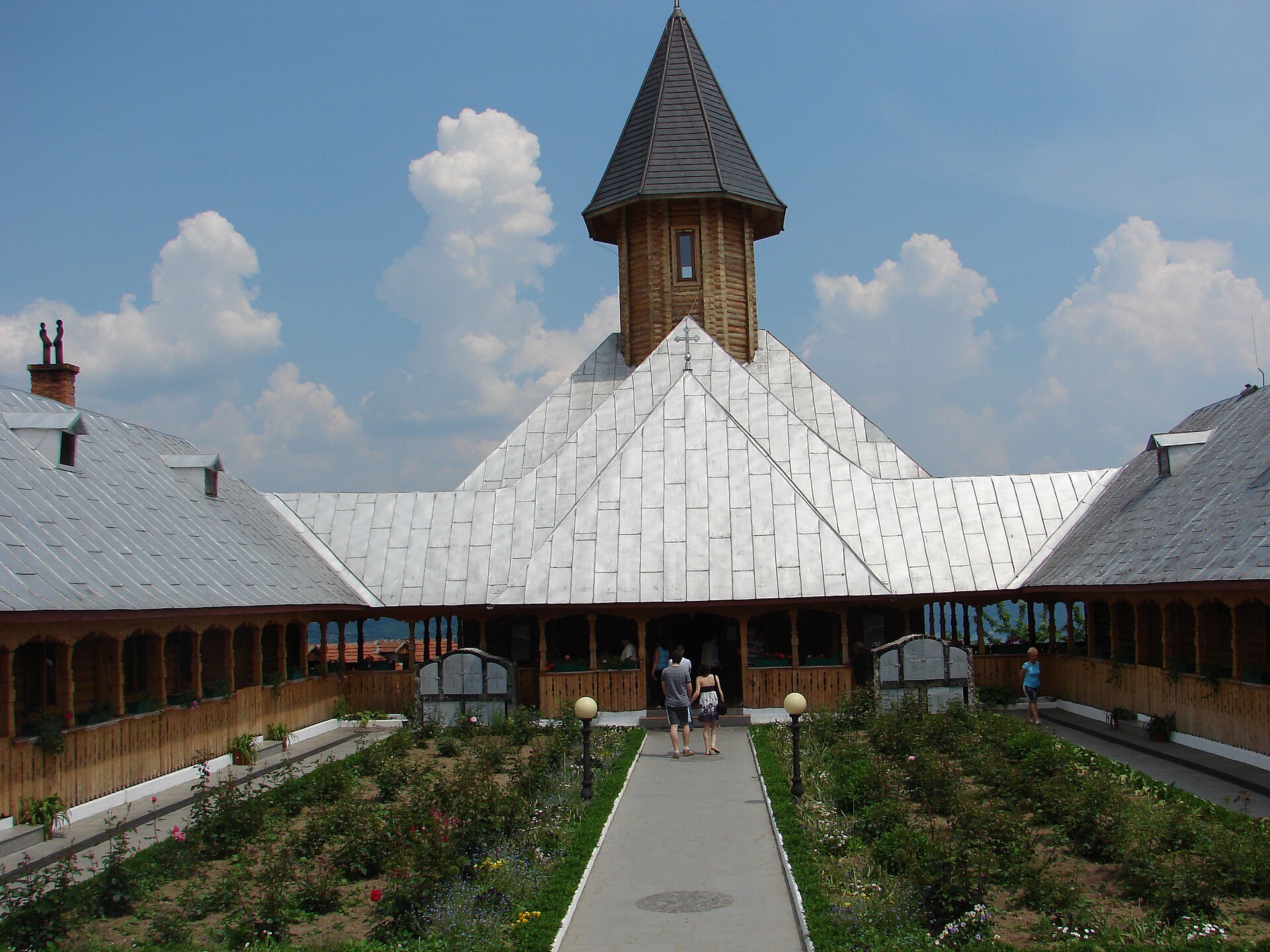
Perched on the banks of the Danube, the Monastery of Saint Anne sits where the river curves between hills and forests. The place feels less like a building and more like part of the land itself. There’s no rush, no crowds—just the quiet of monastic life and the occasional visitor who comes not for grand sights but for stillness. The air smells of pine and damp earth. Leaves rustle. The river murmurs in the distance.
The monastery’s past
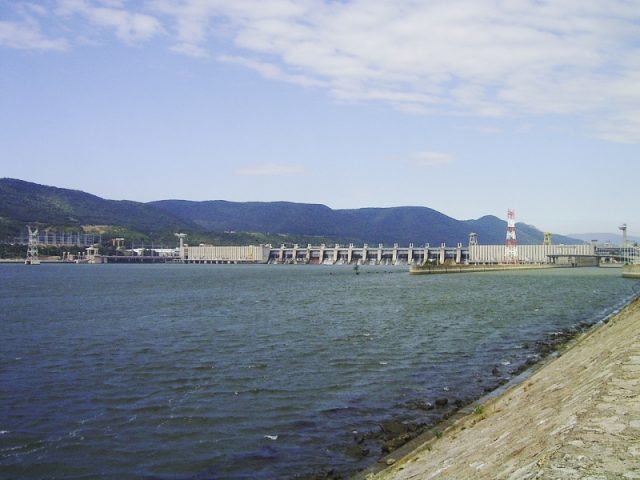
The first written records date to 1668, when Orșova was a frontier town under Habsburg rule. Some believe monastic life here began even earlier. For centuries, the monastery stood as a center of Orthodoxy in a region shaped by shifting borders. Wars, political upheavals, and the construction of the Iron Gates Dam in the mid-20th century forced it to move when part of the Danube valley was flooded. The present site isn’t the original, but it keeps the same seclusion.
What you’ll see
Whitewashed walls, terracotta roofs, and modest domes blend into the surroundings. The main church, dedicated to Saint Anne, is small but detailed. Inside, the wooden iconostasis and faded frescoes show the work of local craftsmen. The lower chapel has fragments of 18th-century paintings, their colors softened by time. There’s no grandeur—just the quiet dignity of centuries of devotion.
Mornings begin with prayer. Days pass in simple work: tending the garden, keeping bees, crafting by hand. Visitors are welcomed without fuss. You can wander the grounds, sit under the trees, or listen to the river. A modest guesthouse offers shelter if you want to stay longer, to step away from noise and into a slower rhythm.
Around the monastery
The Danube here is wide and calm, its banks lined with forests and rocks. Nearby, the Iron Gates National Park stretches into Serbia, with trails leading to viewpoints over the river. The villages around are quiet, with old churches and traditional houses. Locals might offer homemade wine or fresh cheese—hospitality that feels natural, not forced.
This isn’t a place for those who want excitement. There are no markets, no attractions—just the quiet mix of nature and faith. The monastery doesn’t demand attention. It simply exists, offering space to breathe, reflect, or do nothing. The lack of distractions is why it works. Hours pass differently here, marked by light and the river’s steady pulse.
People return not for something new but to reconnect with something old. The Monastery of Saint Anne has seen empires rise and fall, borders redrawn, landscapes transformed. Yet it remains a place where the past isn’t a relic but a living part of the land. For those who come, it’s less about discovery and more about remembering stillness.