Trajan Park in Orșova is one of those rare places where time seems to stand still, not as a relic of the past, but as something that still breathes with quiet significance. Perched on the banks of the Danube, where the river bends sharply to form the natural border between Romania and Serbia, the park is more than just a stretch of greenery—it’s a living intersection of nature and history, where the echoes of ancient civilizations linger in the landscape.
The park takes its name from Emperor Trajan, the Roman ruler whose legacy is deeply tied to this region. In the early 2nd century, this was the stage for one of Rome’s most ambitious military campaigns: the conquest of Dacia. To cross the Danube, Roman engineers built Trajan’s Bridge, an engineering marvel of its time. Though little remains of the bridge today, the very ground beneath your feet carries the weight of that history. The park doesn’t offer grand reconstructions or dramatic reenactments, but the land itself tells the story—through the same river currents, the same hills, and the same silence that once bore witness to Roman legions.
What makes Trajan Park special isn’t its grand monuments, but the subtle traces of the past that invite closer attention. The most notable feature is a reconstructed section of Trajan’s Wall, the ancient defensive system that once stretched across Dacia. Here, you can see how it was built: earthen ramparts, shallow ditches, and the faint outlines of stonework. It’s not a spectacle, but something more authentic—a quiet reminder that history isn’t just made in palaces and battlefields, but in places like this, where the land itself holds the memory. Nearby, a modest statue of Trajan stands as a marker of that legacy, unassuming yet impossible to ignore.
The park is small but thoughtfully arranged, offering something for different kinds of visitors. History enthusiasts will find a few informational panels with brief details about the Roman era, though they don’t overwhelm the space with excessive information. For those who come simply to unwind, there are shaded paths, benches with views of the Danube, and small clearings perfect for a quiet picnic. A promenade runs along the riverbank, ideal for an evening stroll when the water takes on a golden hue and the air cools. Unlike crowded tourist hotspots, the park rarely feels busy, even in summer, which only adds to its charm—a sense of solitude without isolation.
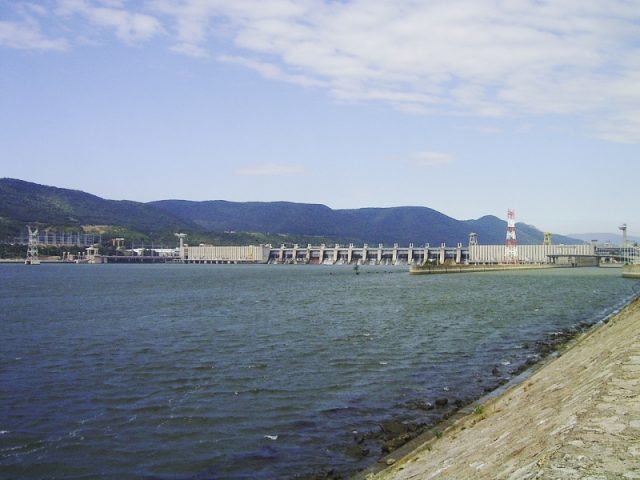
Orșova is a small town, and Trajan Park is one of the reasons it feels distinct. There’s no tourist hustle here, just a slow, steady rhythm that matches the flow of the Danube. The river at this point is wide and powerful, with the forested hills of Serbia visible on the opposite bank. Occasionally, a cargo ship or a small boat passes by, a reminder that the Danube remains a vital trade route. The park attracts a mix of locals—joggers in the morning, families in the afternoon, dog walkers in the evening—and the occasional traveler who stumbles upon it while exploring the region. It’s the kind of place where you might strike up a conversation with someone or simply sit in silence, watching the water.
The seasons change subtly in the park, each bringing its own character. Spring arrives with blossoming trees and the fresh scent of new growth. Summer deepens the green, with tall poplars offering shade from the heat. Autumn turns the foliage into a palette of gold and crimson, making walks through the fallen leaves especially satisfying. Winter is quiet, almost deserted, but the Danube takes on a different kind of majesty—frozen in places, yet still flowing beneath the surface. Snow dusts the ancient earthworks, and for a moment, it feels as though time itself has paused, allowing a clearer view of the past.
Trajan Park isn’t a place for thrill-seekers or those looking for entertainment. There are no amusement rides, no bustling cafes, no souvenir stalls. That’s precisely what makes it special. It’s a place for those who appreciate stillness, history, and the chance to step away from the noise of modern life. You don’t need to do anything here except pay attention—to the river, to the land, to the quiet. An hour might be enough, or you might find yourself lingering all day, watching the water, thinking about the centuries that have passed, or simply enjoying the moment.
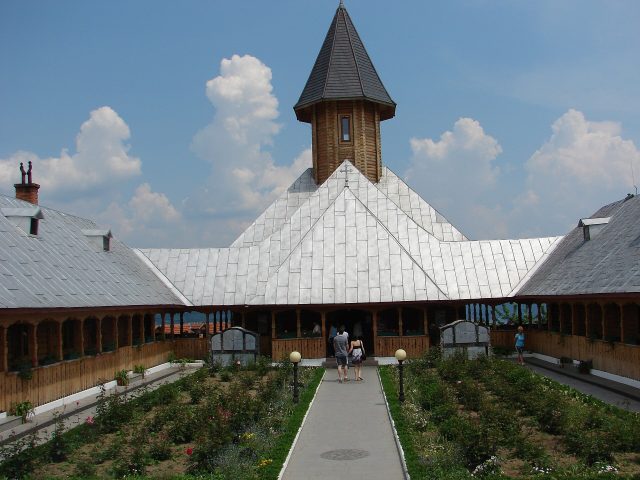
If you find yourself in Orșova, there are other places worth exploring nearby. The small but charming St. Anne’s Monastery, with its peaceful courtyard and beautiful frescoes, is just a short distance away. Or you could take a boat tour along the Danube, a chance to see the landscape from the water. But even if you never leave the park, the day won’t feel wasted. Sometimes, the simplest experiences leave the deepest impressions.
What makes Trajan Park remarkable is its lack of pretension. It doesn’t try to be the most famous attraction in Romania, and that’s its strength. It exists on its own terms, not catering to crowds but welcoming anyone who seeks it out. There’s nothing artificial here—just history, nature, and the quiet contentment that comes from standing on the banks of a great river, knowing it has flowed here long before you and will continue long after. That’s enough.