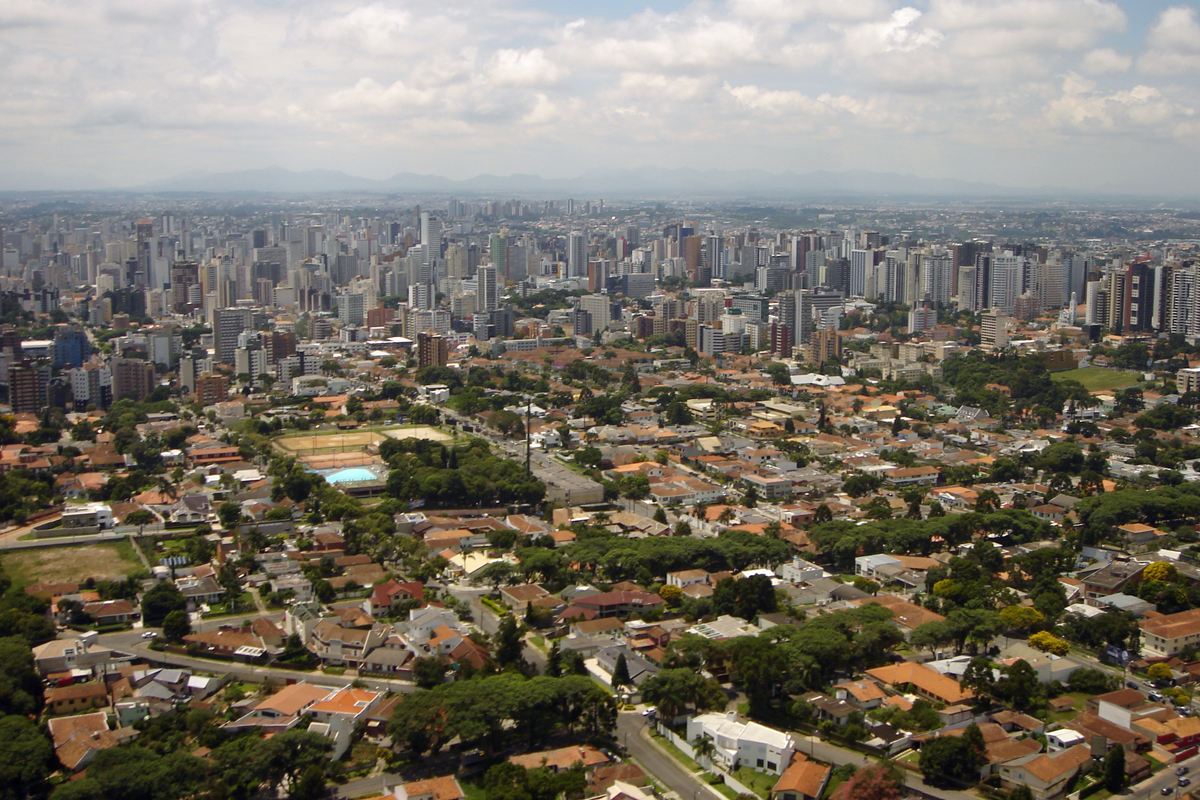
Curitiba
Brazil · 6 places
Photo: mariordo59 from Santo Domingo, Dominican Republic, CC BY-SA 2.0
Curitiba
Curitiba feels like a city that refused to follow the script. While the rest of Brazil pulses with samba rhythms and sun-bleached beaches, this place hums to a different beat—wide, tree-lined boulevards, buses gliding past in futuristic tubes, and air that doesn’t taste like exhaust. It’s not that Curitiba lacks energy; it channels it differently. Here, growth and green spaces exist side by side, and the chaos of urban life is softened by design. The city has spent decades proving that a metropolis can expand without choking on its own ambition.
The story of Curitiba begins in the 1600s, when gold prospectors and traders carved out a settlement along routes leading inland. For centuries, it remained a modest outpost, overshadowed by Brazil’s coastal powerhouses. That changed in the 19th century, when the railroad arrived, connecting the city to the ports of the Atlantic. Immigrants followed—Poles, Germans, Italians, Japanese—each shaping the city’s character. Walk through the older neighborhoods, and you’ll find streets where pastel-colored houses with terracotta roofs stand beside glass-and-steel office towers. The blend isn’t smooth, but it’s real, a reminder that Curitiba has always been a place where different worlds meet.
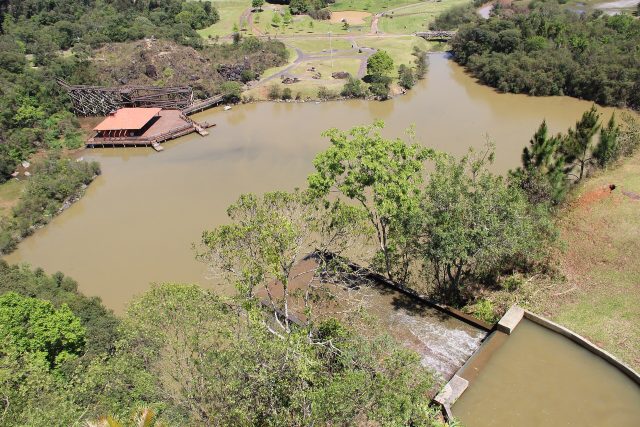
In the 1970s, city planners made a decision: instead of sprawling outward, Curitiba would grow upward, with green spaces woven into its structure. The result is a city that breathes. Pedestrian streets wind through the center, while the famous "tube stations"—glass-walled bus stops—move passengers across town quickly. Parks are everywhere, many built on reclaimed land. Tanguá Park, for instance, was once an industrial wasteland; now it’s a network of lakes, bridges, and sculptures where families gather on weekends. With over sixty square meters of green space per resident, Curitiba doesn’t just have parks—it has space to breathe.
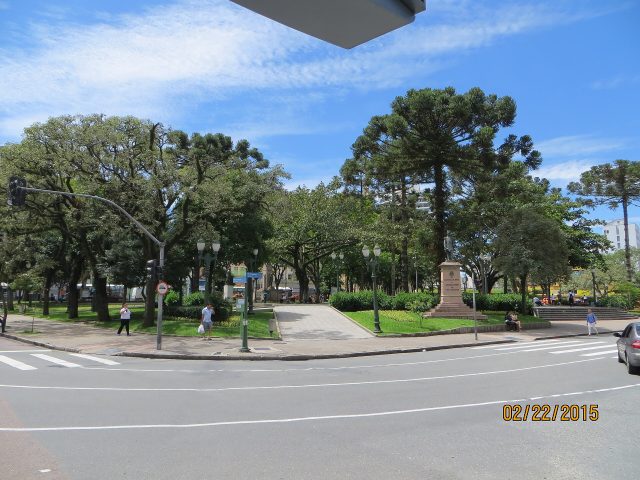
This isn’t a city that chases tourists. There are no crowds jostling for photos, no hawkers selling trinkets. Instead, there’s the quiet pleasure of a place that feels lived-in. On weekends, locals visit the Feira do Largo da Ordem, a market where you can buy fresh jabuticaba fruit or vintage typewriters. In the evenings, musicians play bossa nova or samba in Praça Tiradentes, and people sit on benches, watching the world go by. The food scene is just as unpretentious—coffee with cinnamon in a café run by Polish descendants, or ramen in a tiny restaurant where the chef’s grandparents arrived from Hokkaido. It’s the kind of place where you find a good café or bookshop not because it’s famous, but because someone decided to make something worth visiting.
Curitiba’s climate is as understated as the city. Winters are cool, occasionally dusted with frost—a rarity in Brazil—while summers are mild compared to the heat of Rio or Salvador. The weather reinforces the sense that this is a city built for comfort. Locals will tell you that Curitiba is a place for people, not cars. There’s no need to rush here, no checklist of must-see sights. What stays with you isn’t the grandeur of a landmark, but the feeling that you’ve stepped into a city designed with care—the way sunlight filters through the trees in a park, or how a street musician’s guitar echoes off the cobblestones. It’s not the Brazil you expect, but it might be the one you remember.
See & Do
6 places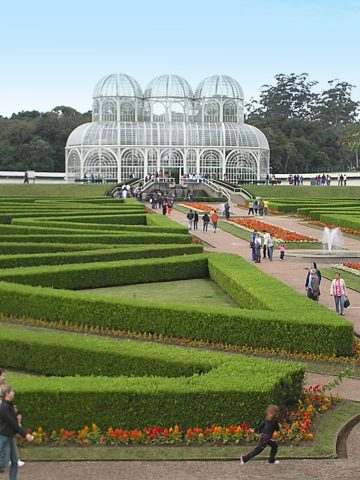
Places on the map
Marker colour follows the categoryClimate and weather
Detailed weather: Curitiba- Average temperature
- 19 °C
- Precipitation per year
- 1359 mm
- Sunshine hours per day
- 4.7 h
Average air temperature
°C
22
22
21
19
17
15
15
16
18
19
20
21
Jan
Feb
Mar
Apr
May
Jun
Jul
Aug
Sep
Oct
Nov
Dec


