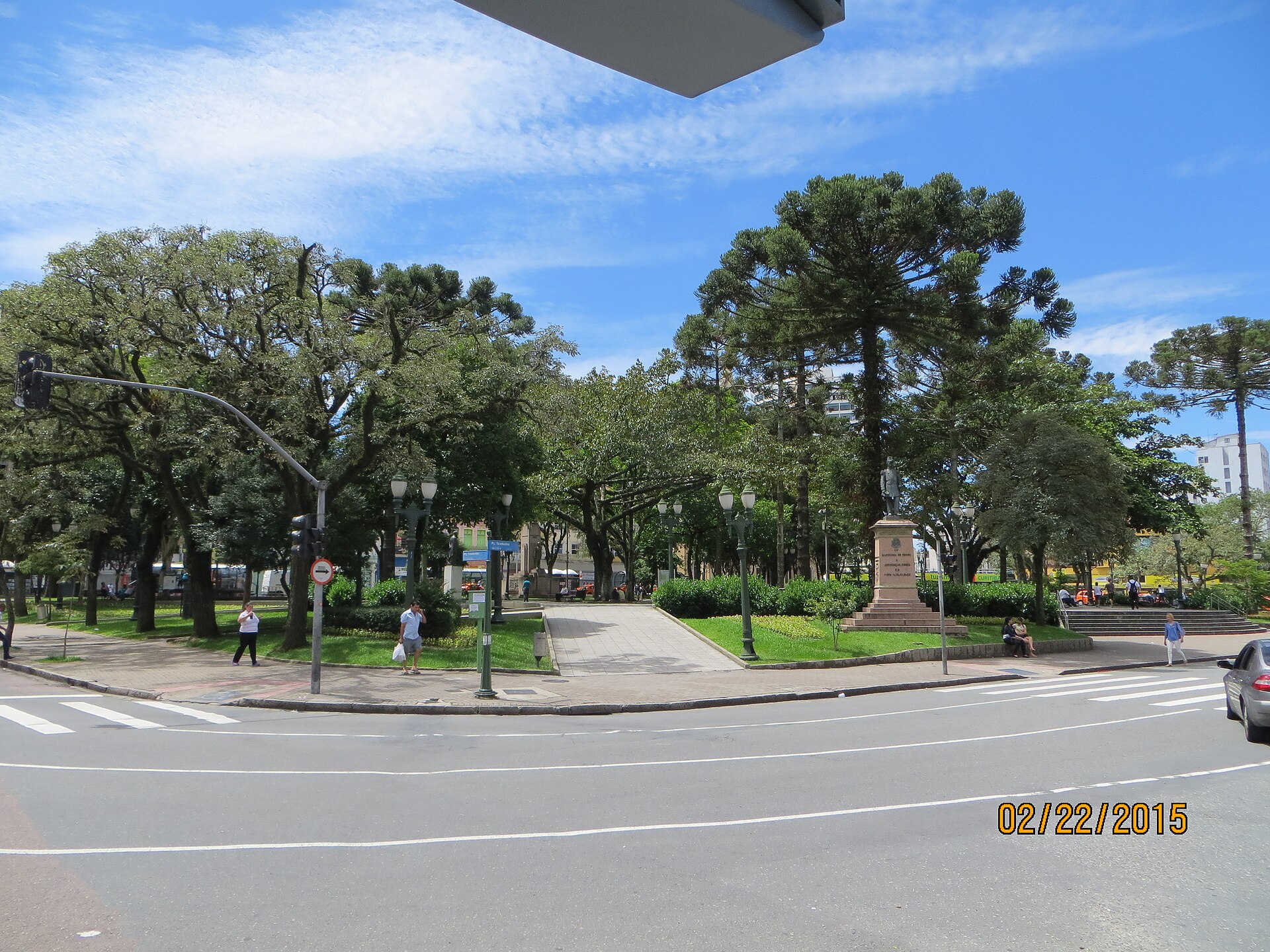
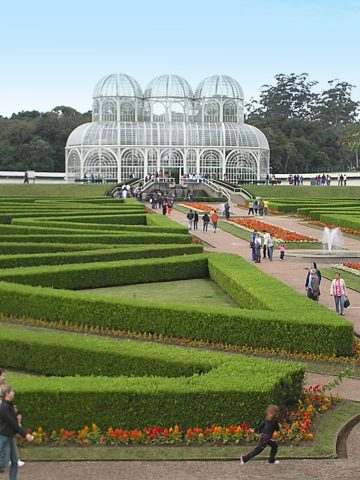
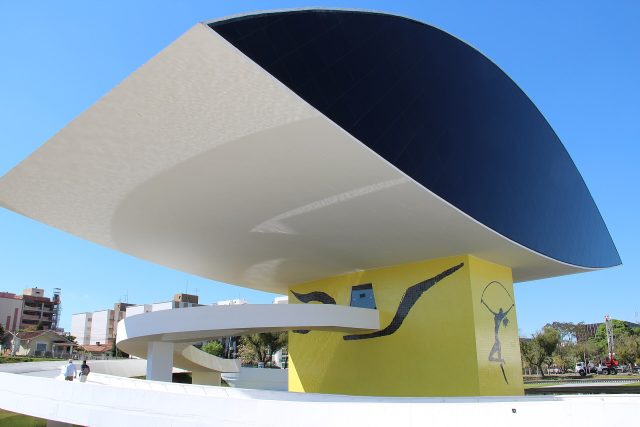
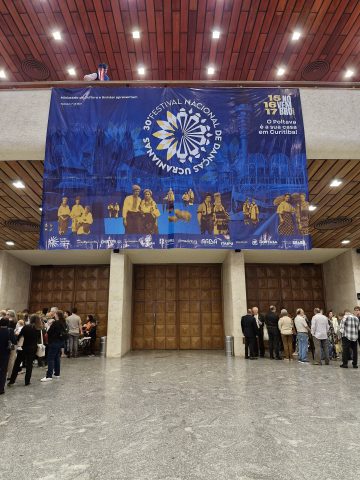
Tiradentes Square is one of those places in Curitiba where the city’s daily rhythm brushes up against its past. Nestled in the heart of the downtown area, where busy streets intersect, it’s more than just a transit point—it’s a meeting place, a spot for a quick break, or a moment of quiet in the middle of a bustling day. The square is always alive with movement: students hurrying to class, office workers grabbing a bite on the benches, and visitors pausing to take in the old buildings or soak in the city’s energy.
The square takes its name from Joaquim José da Silva Xavier, better known as Tiradentes, a national hero of Brazil and a key figure in the late 18th-century conspiracy against Portuguese colonial rule. While Curitiba wasn’t directly involved in those events, the city has long embraced its role in shaping Brazil’s identity. The statue of Tiradentes at the center of the square serves as a reminder of a time when ideas of independence were just beginning to take hold.
The architecture around the square tells a story of gradual evolution. The oldest building here is the former Government Palace of Paraná, constructed in the late 19th century. Its neoclassical facade, with tall columns and large windows, reflects the style popular in Brazil at the time. Today, it houses a museum, but even from the outside, the building stands out for its grandeur. Nearby, more modern structures, like the city council building, offer a contrast with their clean, minimalist lines.
One of the square’s most striking features is the Curitiba Cathedral, or the Cathedral of Our Lady of Light. Construction began in 1876 but wasn’t completed until 1893. Unlike most Brazilian churches, which tend toward Baroque or colonial styles, this one is built in the neo-Gothic tradition. Its towering spires, pointed arches, and intricate stonework make it one of the city’s most recognizable landmarks. Inside, the cathedral retains its 19th-century stained glass and wooden pews, while the basement holds a small museum of religious art.
Beyond its architecture, Tiradentes Square is a living part of the city. The area around it is dotted with cafes, bookshops, and small stores selling local crafts or souvenirs. In the evenings, the square takes on a different character as the streetlights come on, casting a warm glow over the scene. During the summer, it often hosts open-air concerts, while in winter, festive markets pop up. These moments turn the square into the true heart of Curitiba, where voices, music, and the smells of street food blend together.
The square hasn’t always looked the way it does today. In the mid-20th century, it was a busy tram hub, and before that, during colonial times, it was home to a market. As the city grew, the square evolved into a central public space. In the 1970s, it underwent a major renovation, removing the tram tracks and making the area more pedestrian-friendly. That’s when the fountains and greenery were added, softening the imposing presence of the historic buildings.
For locals, Tiradentes Square isn’t just a tourist spot—it’s woven into everyday life. People meet here, stroll with their families, take photos in front of the cathedral, or simply sit on a bench and watch the world go by. On weekends, families gather to spend time together, while weekdays bring students and office workers. In that sense, it’s not so different from other city squares around the world—lively, a little chaotic, and always full of energy.
Curitiba is known for its thoughtful urban planning, and Tiradentes Square is a great example of how the city balances history with modernity. It hasn’t been turned into an open-air museum; instead, it remains a place where people live, work, and relax. That authenticity is what makes it so appealing. There’s no pretense here, just the natural flow of past and present. Walking through the square, you can feel the city’s pulse—steady, unhurried, but full of life.