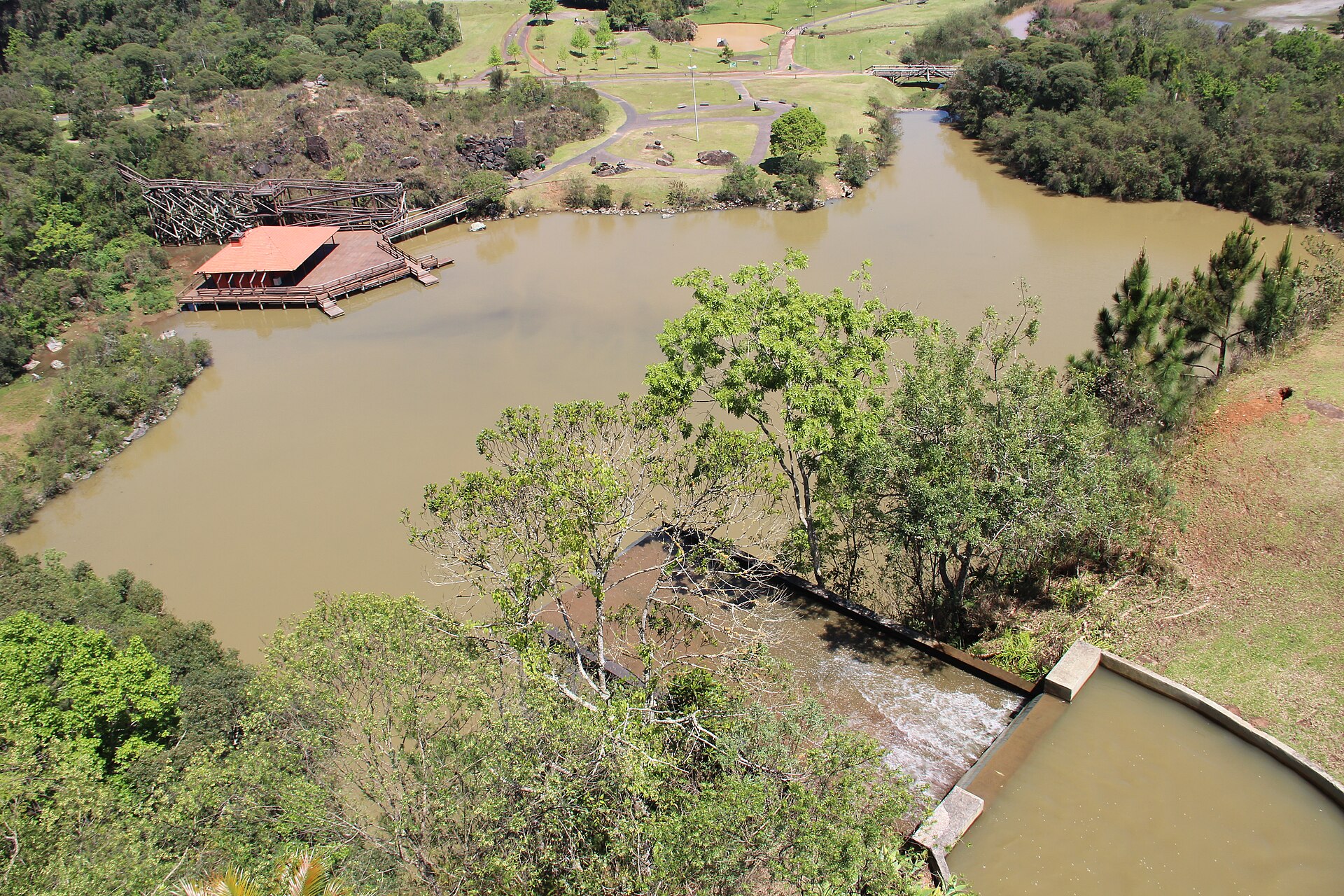
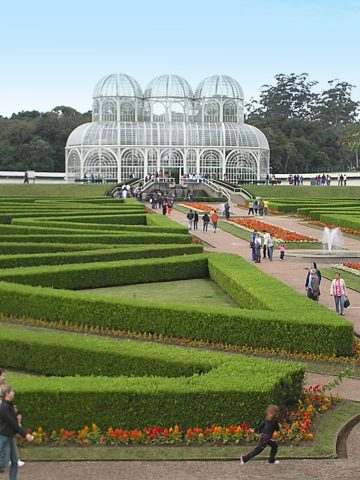
Tancredo Neves Park is one of those quiet corners of Curitiba where the city seems to pause, letting its usual hustle fade into the background. Tucked away in the southern part of town, it’s not as famous as the Botanical Garden or Barigui Park, and that’s precisely what makes it special. There are no crowded walkways or tourist traps here—just winding paths, small ponds where ducks drift lazily, and wide-open lawns perfect for lying back and watching the clouds roll by. It’s a place where time slows down, even if just for an afternoon.
The park is named after Tancredo Neves, a Brazilian politician whose life and career were deeply tied to the country’s return to democracy in the 1980s. Elected president in 1985, he never took office; a sudden illness led to his death before his inauguration, leaving behind a legacy of hope for a more just Brazil. The park, opened later that decade, feels like a quiet tribute to that legacy. There are no grand monuments or speeches here—just an unspoken sense of peace, as if the place itself carries the memory of what he stood for.
Unlike many urban parks that try to impress with grand architecture or elaborate landscaping, Tancredo Neves keeps things simple. The design is understated, almost humble, letting nature take the lead. Small wooden bridges cross shallow ponds, and benches line the paths, inviting visitors to sit and stay awhile. At the heart of the park, there’s an open-air amphitheater, though it’s rarely used for anything more than the occasional concert or community gathering. Most of the time, the only sounds are the rustling of leaves and the distant call of birds.
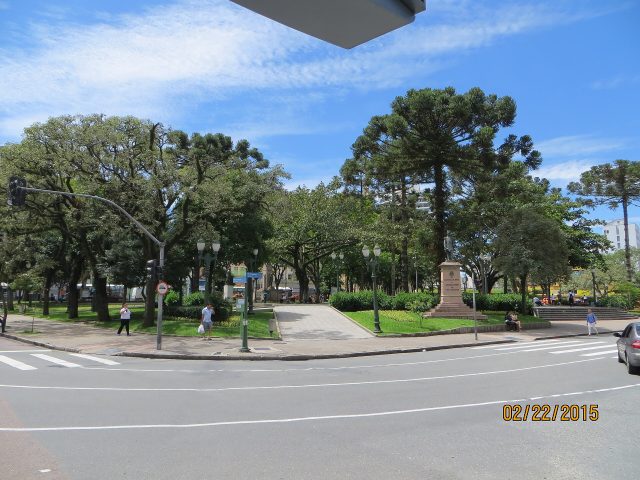
What makes this park different is its lack of pretension. It’s not a place for flashy selfies or Instagram-worthy backdrops. Instead, it’s somewhere to slow down—to take a long walk, spread out a picnic blanket, or just sit and think. In the summer, the dense greenery keeps the air cooler than in the city center, while in winter, the bare trees reveal the stillness of the ponds, their surfaces reflecting the pale sunlight. Locals come here with their kids to ride bikes, or with a book to read under the shade of an araucaria tree. It’s a place for ordinary moments, the kind that don’t make headlines but somehow stick with you.
Curitiba has long been known for its commitment to green spaces, and Tancredo Neves is a perfect example of that philosophy. There are no exotic plants or rare animals here—just the familiar flora of southern Brazil: towering araucarias, eucalyptus trees, and willows dipping their branches into the water. The ponds are shallow, home to small fish and the occasional turtle basking on the rocks. Ducks and herons nest along the banks, and if you’re lucky, you might spot one wading through the reeds. These small, unscripted encounters often leave a deeper impression than any man-made attraction.
This isn’t the kind of park you visit for a quick photo op. It’s the kind of place where you can feel the real rhythm of Curitiba—a city that moves at its own pace, unhurried and thoughtful. There’s no tourist crowd here, no pressure to see or do anything in particular. Instead, there’s a sense that time works differently within these boundaries. Mornings belong to joggers and yoga enthusiasts, while afternoons see office workers escaping their desks for a quiet lunch. By evening, families arrive, letting their kids run ahead on the paths before heading home.
The city has kept the park well-maintained over the years, but without overdoing it. There are no flashy new installations or loud advertisements—just the occasional repair to a bench or a fresh coat of paint on the bridges. That restraint has helped preserve the park’s authenticity. It still feels like a place where nature, not design, sets the tone. For a few hours, you can forget you’re in a city of nearly two million people and instead feel part of something quieter, something older.
If you find yourself in Curitiba and want to see beyond the usual tourist spots, this is the place to go. Don’t expect guided tours or elaborate attractions—just bring a thermos of coffee, a sandwich, and come early, when the park is just waking up. Sit by the pond, listen to the birds, and watch the light filter through the trees. You might not leave with a story to tell, but you’ll understand why this unassuming park means so much to the people who call Curitiba home. It doesn’t demand attention, and that’s exactly why it deserves it.