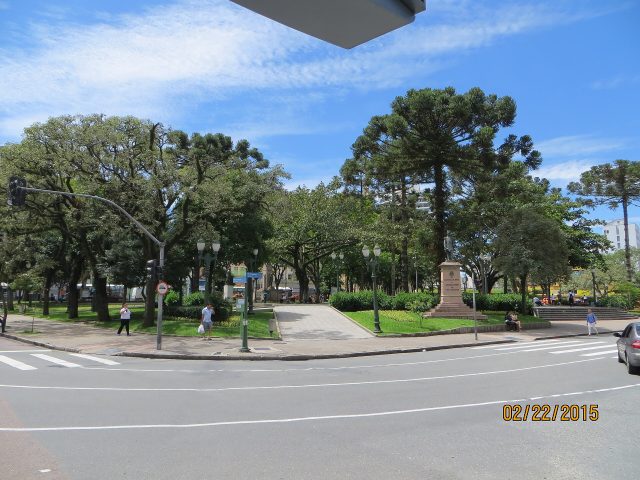
The Guaira Theatre is one of those places in Curitiba that doesn’t announce itself with fanfare, yet quietly draws in those who seek something deeper than the usual tourist stops. Tucked away on Santos Andrade Square in the heart of the city, its unassuming facade gives little hint of the world inside—a world of sound, stories, and architectural grace. Unlike the grand, gilded opera houses of Europe, Guaira is understated, but no less striking for it. Its presence is felt in the way it blends into the cityscape, offering a space where art and everyday life intersect without pretense.
The theatre’s origins trace back to the mid-20th century, a time when Curitiba was expanding rapidly and searching for its own cultural identity. Designed by Brazilian architects influenced by modernism but rooted in local sensibilities, the building is a study in contrasts. Its exterior, a mix of concrete and glass, balances sharp lines with gentle curves, while the play of light softens its otherwise austere forms. Inside, the design is purposeful—every detail serves the performance, from the uncluttered walls to the acoustics that carry even the faintest whisper from the stage to the farthest seat.
The main auditorium is one of the largest in Latin America, seating over two thousand people. Unlike traditional opera houses with their tiered balconies and social hierarchies, Guaira’s seating rises in a single, sweeping amphitheater. There are no bad seats here; even from the back row, the stage feels close, intimate. The acoustics are legendary—so precise that a murmur on stage can be heard clearly in the last row without distortion. Whether it’s an opera, a ballet, or a symphony, the sound here takes on a life of its own, filling the space with a presence that lingers long after the last note fades.
But Guaira is more than its grand hall. The building houses several smaller stages, each with its own character. The Minor Hall, for instance, is known for its warmth and intimacy. With no echo to muddy the sound, the distance between performer and audience feels almost personal, as if the music or words are meant just for you. It’s a space where jazz nights and poetry readings thrive, where the energy is less formal, more like a gathering of friends than a public performance.
Over the decades, Guaira has become a cornerstone of Curitiba’s cultural life. Its stage has welcomed not only Brazilian artists but also international stars—ballet companies from Russia, orchestras from Europe, soloists whose names resonate worldwide. Yet for all its global connections, the theatre has always remained a place for local talent. Many of Brazil’s musicians and actors took their first steps here, finding their voice on Guaira’s stage before moving on to larger venues.
What makes Guaira special is how it fits into the rhythm of the city. Curitiba isn’t Rio or São Paulo, with their relentless energy and vibrant chaos. Life here moves at a different pace, and the theatre reflects that. There’s no rush to chase the latest trends or headline acts. Instead, the focus is on the craft—the quality of the performances, the attention to detail, the way art can slow time and invite reflection. It’s why Guaira feels less like a tourist attraction and more like a second home for the people of Curitiba.
The building itself is a quiet marvel. Its concrete and glass exterior could easily feel cold or impersonal, but here, it has a warmth, especially when the evening lights glow from within, turning the theatre into a beacon. On rainy days, when the city is wrapped in gray, Guaira feels particularly inviting—a place where music and light offer comfort against the damp chill outside.
Beyond the performances, the theatre spills into the life of the square. Street musicians often play on the steps, festivals and markets set up nearby, and locals gather to read, chat, or sip coffee at the surrounding cafés. In these moments, Guaira isn’t just a theatre; it’s a living part of the city, where art and daily life flow together naturally.
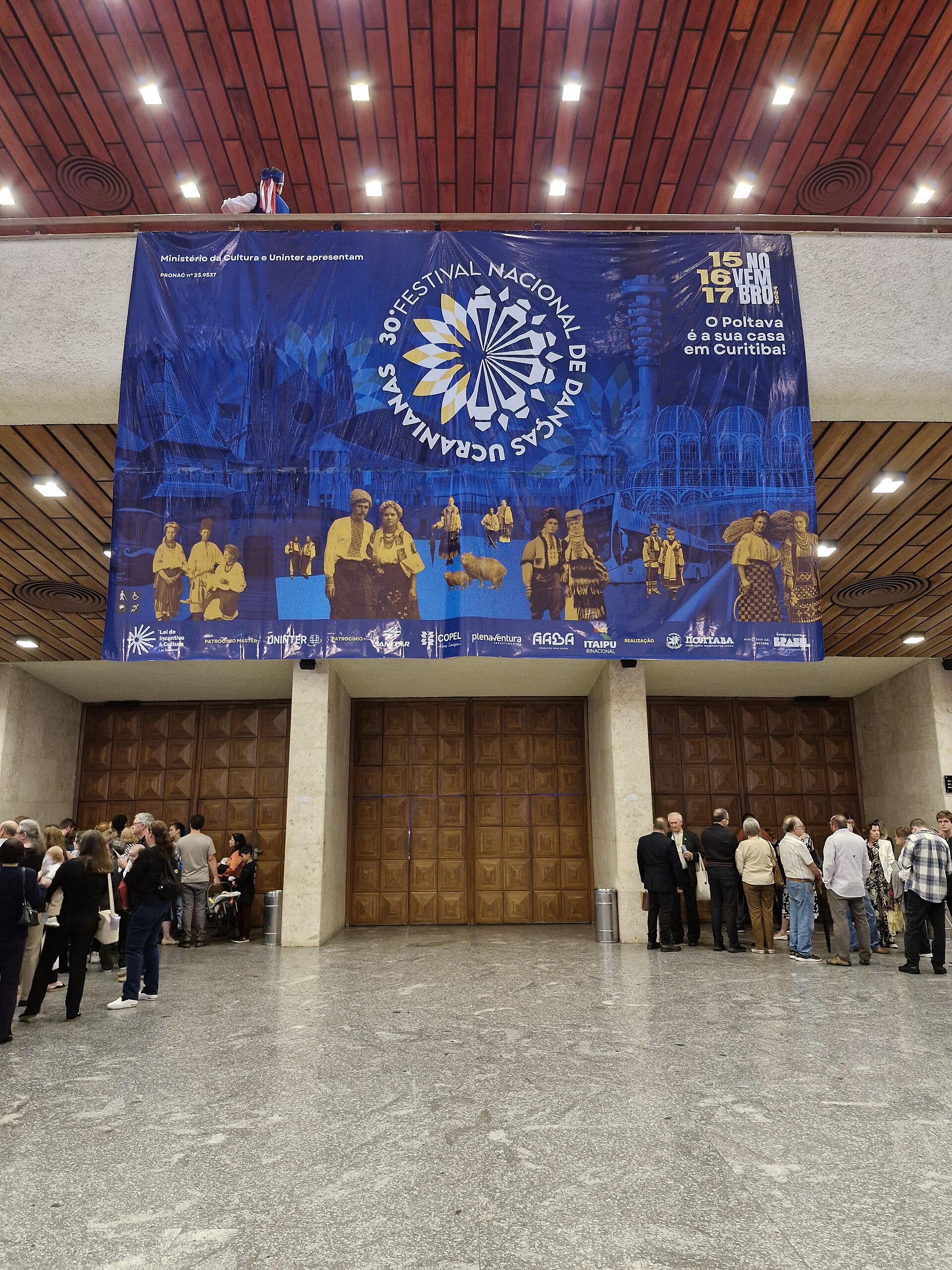
If you find yourself in Curitiba, take a moment to step inside, even if you don’t have tickets to a show. The foyer often hosts small exhibitions or artist talks, and the schedule of upcoming performances is always on display. Sometimes, if you’re lucky, you might catch the sound of a rehearsal drifting through the doors—a reminder that the theatre is alive, whether the seats are full or empty. It’s a place where the city’s quiet soul finds its voice.