Curitiba’s Botanical Garden is one of those rare urban spaces that feels like a quiet promise—a reminder that even in a bustling city, nature has its place. Tucked away in southern Brazil, this garden isn’t just another patch of greenery; it’s a living symbol of Curitiba’s long-standing commitment to sustainability and thoughtful urban design. Unlike many tourist-heavy attractions, it doesn’t overwhelm with crowds or noise. Instead, it offers wide, tree-lined paths, still ponds, and the kind of peaceful atmosphere that makes you slow down without even realizing it. And then there’s the greenhouse—the iconic structure that has come to represent not just the garden, but the city itself.
The garden’s origins trace back to the 1990s, a time when Curitiba was already earning its reputation as one of Latin America’s most forward-thinking cities. Urban planners envisioned it as part of a broader effort to create public spaces where people could escape the concrete and reconnect with nature. Over the years, it has grown into something more than just a park; it’s an extension of the city itself, where architecture and nature coexist without competing for attention. The design is deliberate but unobtrusive, blending seamlessly into the surrounding landscape rather than dominating it.
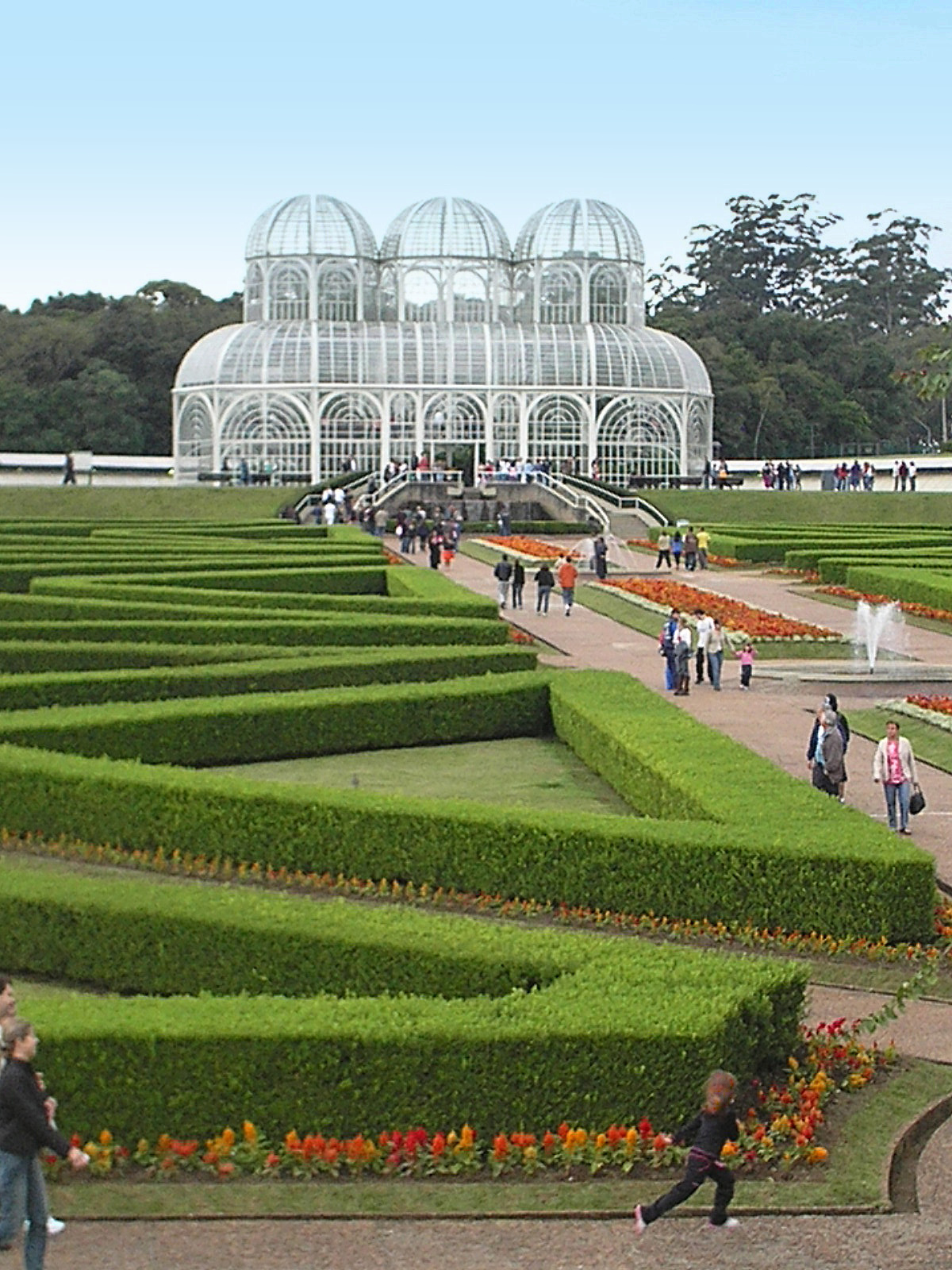
The centerpiece of the garden is its grand Art Nouveau greenhouse, a delicate lattice of metal and glass that seems to float above the ground. Inside, the air is warm and humid, filled with the scent of tropical plants that wouldn’t normally thrive in this part of Brazil. The structure itself is a marvel—light and airy, almost like something out of a fairy tale. But beyond its beauty, it serves a practical purpose, housing rare botanical collections that draw researchers and plant enthusiasts from across the region. Outside, the surrounding gardens follow a more formal French style, with manicured flowerbeds, fountains, and sculptures arranged in precise, symmetrical patterns. It’s the kind of place where you can wander for hours, or simply sit on a bench and watch the way sunlight filters through the leaves.
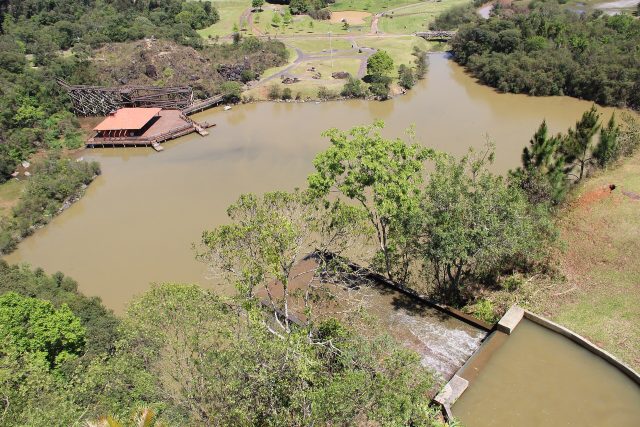
Beyond the greenhouse, the garden unfolds into a series of themed sections, each dedicated to different types of vegetation. One area showcases native Brazilian plants, including species from the Atlantic Forest, a once-vast ecosystem that once covered much of southern Brazil. Another section is a small Japanese garden, where koi ponds, stone lanterns, and carefully pruned trees create a sense of tranquility. During the blooming season, the entire garden erupts in color—vibrant flowers, lush greenery, and the occasional burst of unexpected hues. Even those who don’t consider themselves plant lovers can’t help but be drawn in by the sheer beauty of it all.
But the Botanical Garden is more than just a pretty space. It’s also an active research and education hub, collaborating with universities and scientific institutions to study and preserve the region’s biodiversity. School groups often visit for guided tours, learning about local ecosystems and the importance of conservation. Public lectures, workshops, and exhibitions are held regularly, attracting everyone from academics to curious locals. For many in Curitiba, the garden is a place of discovery—a chance to learn something new about the natural world without leaving the city.
The garden’s atmosphere shifts with the seasons and the time of day. Early mornings are especially quiet, the air filled with birdsong as the first light touches the greenhouse’s glass panels. By midday, the paths fill with life: families pushing strollers, students sprawled on the grass with books or picnic blankets, photographers framing the perfect shot. As evening falls, the garden takes on a different mood. The greenhouse and pathways are softly lit, casting long shadows and creating a sense of intimacy. On weekends, you might stumble upon a musician playing acoustic guitar near the ponds, adding another layer to the garden’s charm.
For many residents of Curitiba, the Botanical Garden is woven into the fabric of daily life. Some come every morning for a jog along its winding paths. Others bring their children to explore the gardens or feed the ducks in the ponds. Couples often choose it as a backdrop for wedding photos, while others simply come to escape the noise of the city. There’s no single way to experience it—you can wander off the paved paths, sit on the grass, or lie back and watch the clouds drift overhead. The garden doesn’t impose rules or expectations; it just exists, open and welcoming to anyone who needs a moment of calm.
Despite its popularity, the Botanical Garden never feels overcrowded or artificial. It retains a sense of authenticity, as if it’s always been part of the city rather than something built to impress. Perhaps that’s the secret to its appeal—it doesn’t try to be anything more than what it is. There are no grand palaces or flashy attractions here, just quiet beauty, fresh air, and the simple pleasure of being surrounded by nature. In a world where urban spaces are often designed for efficiency rather than enjoyment, the garden offers something rare: a place to breathe.
Curitiba is known for its green spaces, and the Botanical Garden is one of the best examples of why that reputation matters. It’s not just an ornament to the city; it’s a reminder of how essential nature is to urban life. For visitors, it’s often a highlight of their trip—a chance to see how a city can embrace sustainability without sacrificing beauty. For locals, it’s a beloved retreat, a place that feels familiar no matter how many times they return. In the end, places like this do more than just decorate a city. They make it feel like home.