Walk into Mercado Municipal early on a Saturday, and you’ll see why this place matters. Farmers unload crates of tomatoes still warm from the sun, butchers sharpen knives for the morning rush, and the scent of freshly ground coffee cuts through the cool air. This isn’t a museum of local life—it’s where Curitiba actually lives.
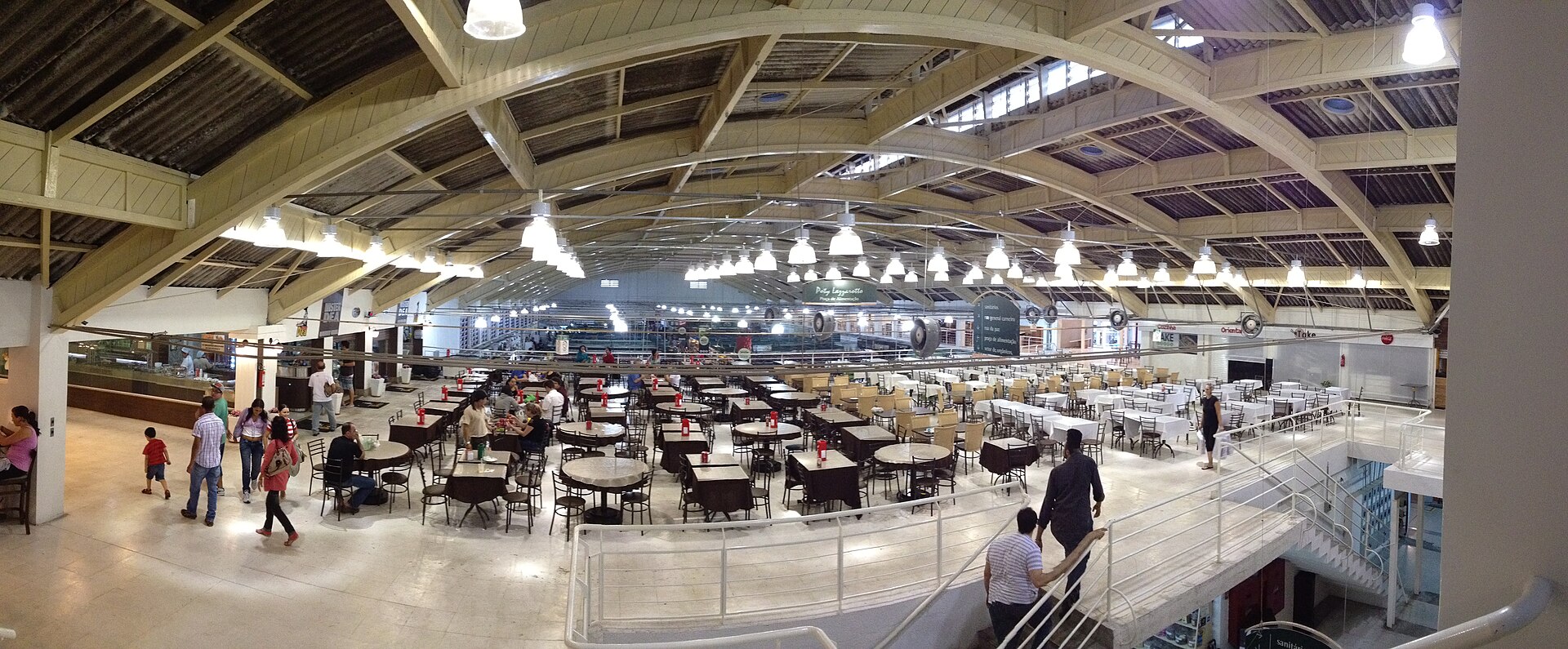
The building doesn’t hide what it is. Concrete floors, high ceilings, and rows of fluorescent lights keep the focus on the stalls, not the architecture. The layout works because it has to: wide aisles let crowds move, while smaller corners give vendors space to arrange their goods without tripping over shoppers. On weekends, the market swells, but it never feels packed—just alive.
Here’s what you’ll find:
Fish straight from the Paraná River, sold by the same families who’ve been fishing it for generations.
Cheeses aged in nearby colonies, their flavors ranging from mild to sharp enough to make your eyes water.
Bags of feijão-preto, the black beans that turn into feijoada, stacked next to jars of palmito, the heart of palm that grows wild in the region.
Stalls selling nothing but spices: bright yellow urucum, smoky pimenta-de-cheiro, and blends made to order while you wait.
But the market isn’t just about buying. It’s about watching how a city eats. In the morning, you’ll see restaurant owners haggling over prices, their notebooks filled with scribbled totals. By noon, office workers crowd the counters of the small eateries, ordering plates of arroz com peixe or pastéis fried to order. Late afternoons bring older couples sharing a beer at a corner table, their shopping done, their baskets empty except for a single mango or a bag of farofa.
The rhythm changes with the hour. At 6 a.m., trucks back up to the loading docks, their beds filled with produce that was harvested the day before. By 10, the morning rush has thinned, but the market never quiets—just shifts. The fishmongers take breaks, leaning against their counters with cups of chimarrão. The spice vendors rearrange their displays, their fingers dusted with turmeric and paprika. At night, the last of the shoppers leave, but the eateries stay open, their lights spilling onto the empty aisles.
What makes Mercado Municipal different? It doesn’t care if you’re impressed. The prices aren’t marked up for tourists, the vendors don’t speak English, and no one’s trying to sell you a «cultural experience.» The market exists because people need it: for the farmer who drives two hours to sell his cheese, for the student who stops by after class for a cheap lunch, for the grandmother who comes every Tuesday for the same cut of meat from the same butcher she’s known for decades.
If you want to know Curitiba, skip the postcard sights for an hour. Come here instead. Stand by the fish stalls and listen to the vendors call out their prices in rapid Portuguese. Watch how a woman picks out tomatoes, squeezing each one before she buys. Order a cafézinho and drink it slowly, because the best way to understand a place isn’t through its monuments—it’s through the small, ordinary things that keep it running.