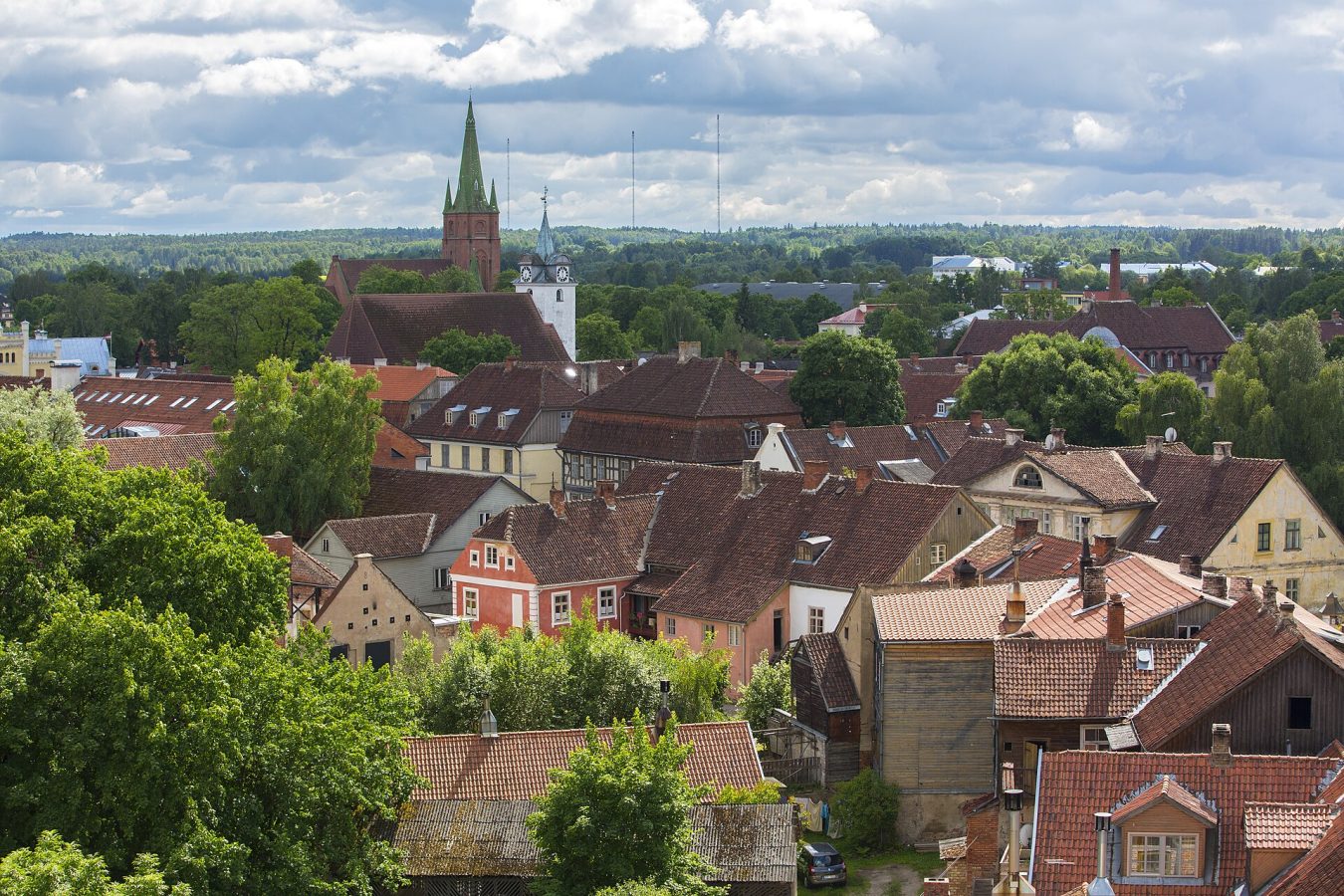
Kuldīga
Latvia · 5 places
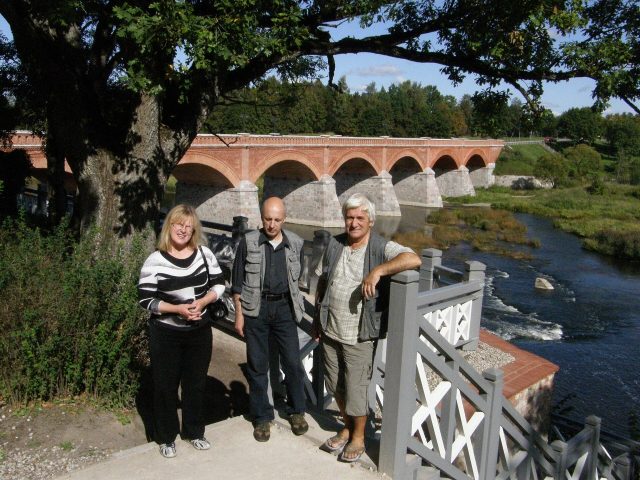
Photo: Olga1969, CC BY-SA 4.0
Kuldīga feels like a place where time has quietly settled into the rhythm of the Venta River, its currents carrying the weight of centuries without hurry. The town sprawls along the banks, its cobblestone streets winding past houses with terracotta roofs, their facades weathered just enough to tell stories of merchants and craftsmen who once filled the air with the clatter of hooves and the murmur of barter. There’s no rush here, no modern urgency—just the slow, deliberate pace of a town that has learned to let history breathe.
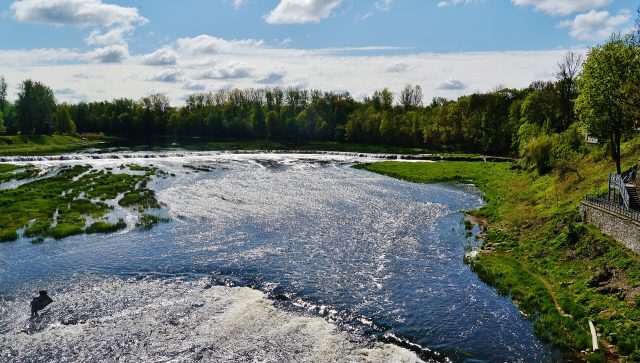
The most striking feature is the bridge over the Venta, one of Europe’s longest brick bridges, built in the mid-1800s. It still serves its purpose today, a sturdy, unassuming structure that has become more than just a crossing—it’s the town’s signature, a quiet monument to endurance. Nearby, the Venta Rapid, Latvia’s widest waterfall, stretches across the river like a liquid veil. The drop isn’t dramatic, but the sheer width of the cascade, especially in spring when the river swells, turns it into something mesmerizing. Locals say the best time to see it is at dawn, when the light catches the mist and the water seems to glow.
Kuldīga’s past is woven into the fabric of the Courland region, where it once thrived as a trading hub before becoming part of the Duchy of Courland and Semigallia. The remnants of that era linger in the architecture—the old churches with their steep gables, the town hall with its modest grandeur, the narrow houses that lean slightly, as if whispering secrets to one another. The ruins of Kuldīga Castle, though little more than crumbling walls now, still hold echoes of the power that once radiated from this place. It’s easy to imagine the clink of armor and the murmur of political intrigue that once filled these streets.
What makes Kuldīga special isn’t its grand monuments or tourist crowds, but the way it simply exists—unpretentious, unhurried, and entirely itself. The town doesn’t perform for visitors; it lives. In summer, the riverbank becomes a gathering spot, where people linger over coffee or ice cream, watching the water flow. Winter wraps the streets in silence, broken only by the occasional crunch of snow underfoot. There are no flashy attractions here, just the quiet charm of a place that has chosen to remain authentic. Kuldīga doesn’t need to impress; it’s enough that it endures, just as it always has.
See & Do
5 places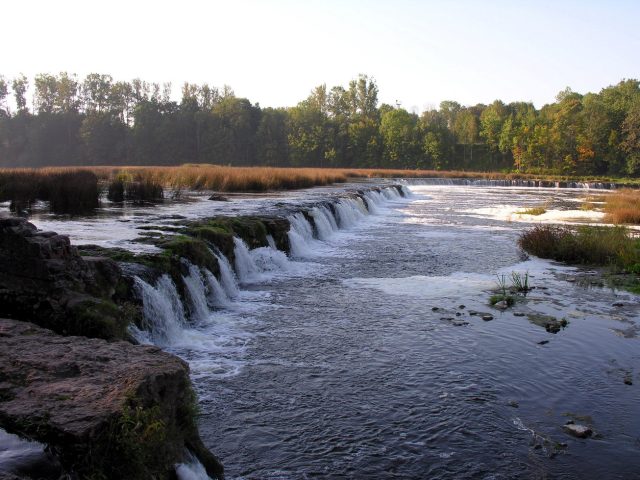
Places on the map
Marker colour follows the categoryClimate and weather
Detailed weather: Kuldīga- Average temperature
- 8 °C
- Precipitation per year
- 546 mm
Average air temperature
°C
-1
-0
2
6
12
17
18
17
14
8
4
-0
Jan
Feb
Mar
Apr
May
Jun
Jul
Aug
Sep
Oct
Nov
Dec


