Kuldīga’s Pasta Park is one of those quiet places that lingers in your memory long after you’ve left. Tucked along the banks of the Venta River, it sits where the hum of the town gradually fades into the calm of riverside paths and open green spaces. There are no flashy attractions or crowded amusements here—just room to wander, to slow down, and to see this small Latvian city from a different angle.
The park’s past is woven into Kuldīga’s history as a center of trade and craftsmanship. Once, this land held warehouses and workshops where goods arriving by river were sorted and prepared. Over time, the industrial buildings gave way to trees and lawns, transforming the area into a public space. Even now, traces of that history remain—the layout of the paths hints at old structures, and in places, you might still spot fragments of brick walls or the foundations of long-gone buildings.
There’s nothing grand about the park’s design, and that’s part of its charm. Instead of monuments or elaborate sculptures, you’ll find well-kept walkways, small wooden bridges over streams, and shaded benches where you can sit with a coffee. Spring is especially lovely, when apple and cherry trees bloom and the air is thick with the scent of fresh leaves. In summer, the old linden and maple trees offer cool shade, while autumn turns the paths into a mosaic of gold and crimson.
Pasta Park isn’t just a place to walk—it’s a part of daily life in Kuldīga. Locals bring their children here, spread out picnics, or walk their dogs. On weekends, you might stumble upon street musicians or small markets selling homemade preserves and handmade crafts. When the weather is warm, the riverbank sometimes hosts open-air festivals or concerts, drawing both residents and visitors.
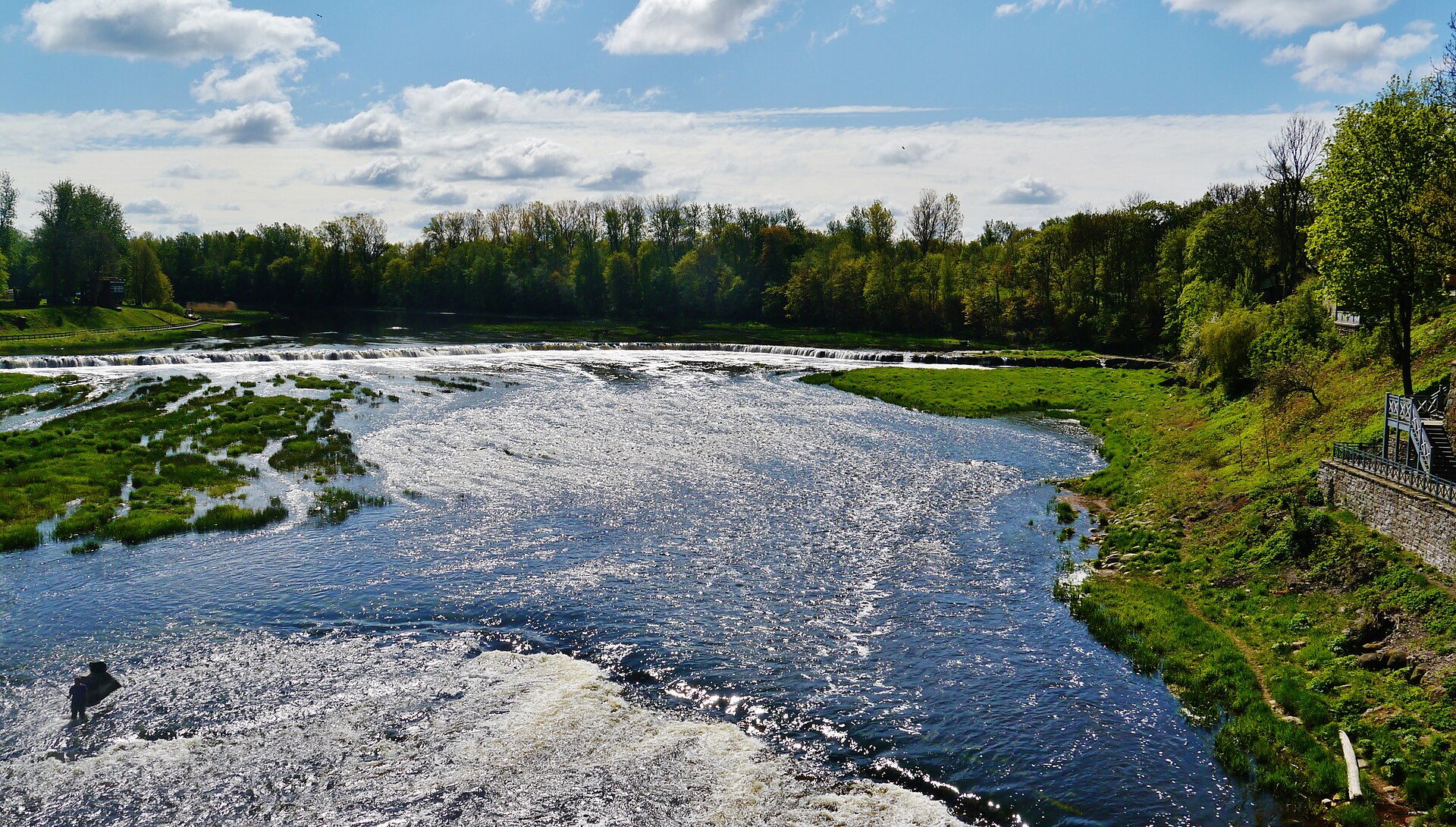
The park’s proximity to the Venta River adds to its appeal. The river here is wide and slow-moving, its steady current creating a sense of calm. From the embankment, you can see the old town with its red-tiled roofs and church spires. In the evening, the lights reflecting on the water give the scene an almost magical quality. Some come to fish, while others simply sit by the water, watching ducks drift by or the occasional boat pass.
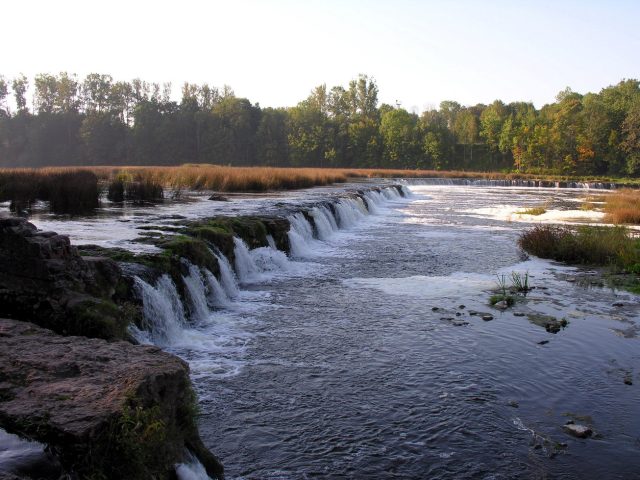
Pasta Park is a natural starting point for exploring Kuldīga. From here, it’s an easy walk to the historic center, where narrow medieval streets and old buildings tell the story of the town’s past. Nearby, the Venta Waterfall—one of the widest in Europe—rushes over its ledge, and the bridge across the river offers sweeping views of the town. If you follow the riverbank further, you’ll come across the old Jewish cemetery or the former mill, now home to a small museum.
There are no rigid rules here—just an easy, unhurried atmosphere. You can lie on the grass with a book, take photos by the river, or simply sit on a bench and watch the world go by. Even in winter, the park has its own quiet beauty. Snow blankets the trees and paths, and the river sometimes freezes into intricate ice patterns. Locals come to skate or stroll along the frosted alleys, enjoying the crisp air and the stillness.
Pasta Park doesn’t demand attention, and that’s what makes it special. It doesn’t try to impress or entertain—it simply exists, offering a place to step away from the rush of life and breathe. There’s nothing unnecessary here, just what you need for a quiet moment: peace, nature, and the faint echo of history in the air.