Kuldīga is a town where time seems to slow down, slipping into a rhythm of its own. The narrow streets, lined with pastel-colored houses, wind between cobblestone pavements and the gentle murmur of the Venta River. It feels like stepping into an old postcard, where the past lingers in the quiet corners and the soft light filtering through the trees. Yet the town’s most striking feature isn’t its charming streets or its sleepy atmosphere—it’s the bridge that arches over the river, a structure that carries more than just weight. It carries history.
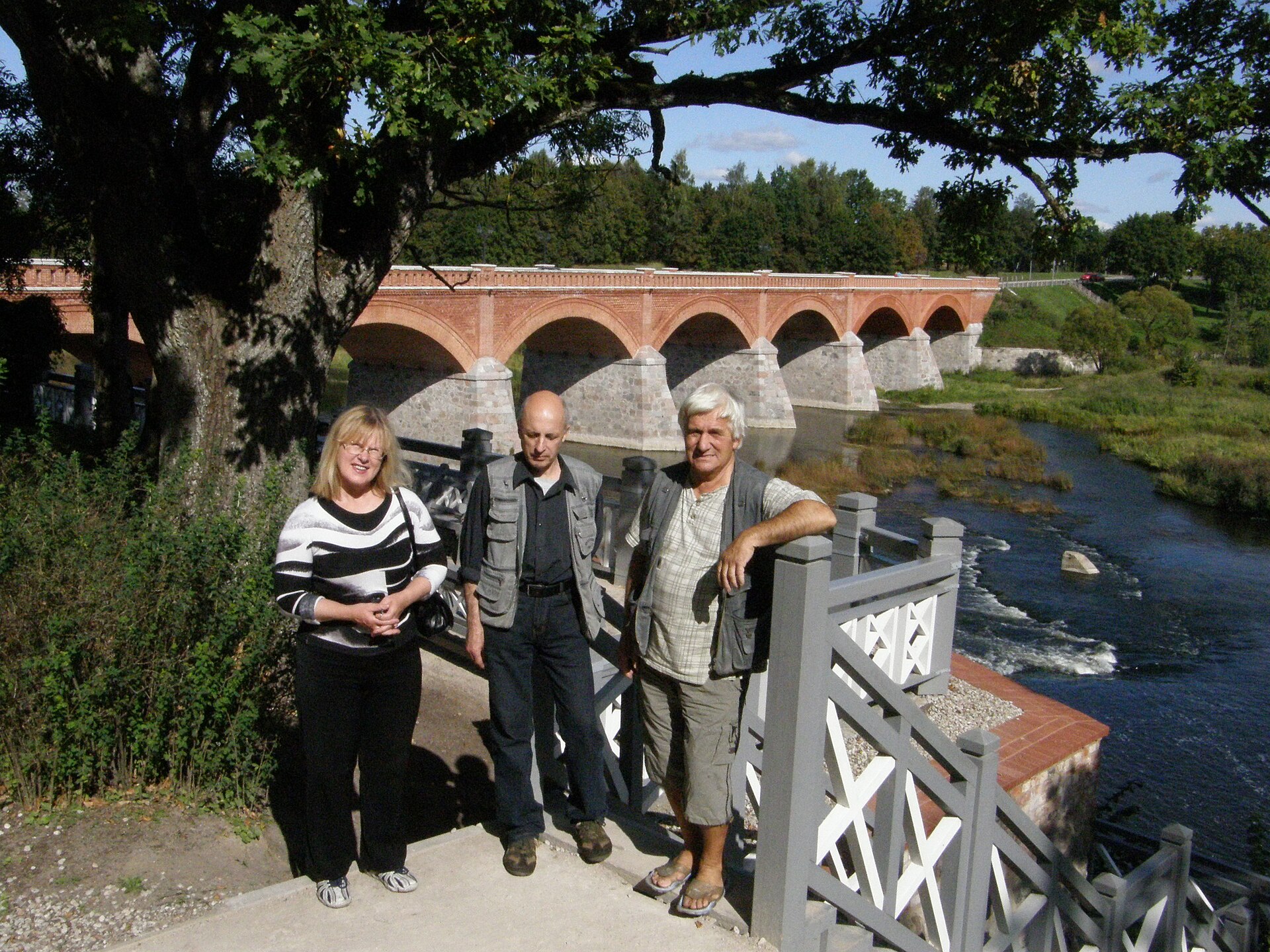
The Venta Bridge in Kuldīga is one of the longest brick bridges in Europe, built in the mid-19th century when Latvia was part of the Russian Empire. Back then, it was a vital link in the trade route connecting Riga to the Baltic Sea ports, replacing an older wooden crossing that could no longer handle the growing flow of goods and travelers. The bridge wasn’t just a practical solution; it was a symbol of progress. Bricks were brought from afar, and the design was forward-thinking enough to support not only horse-drawn carriages but also the first automobiles that would appear in the early 20th century. Over a century and a half later, the bridge still stands, a testament to the craftsmanship of its builders.
The architecture is unassuming yet striking. Seven arched spans rest on sturdy piers, creating a rhythmic pattern that shifts with the light—especially beautiful at sunset, when the bricks glow warmly against the sky. The hand-laid brickwork has held up remarkably well, though the bridge has seen repairs over the years. Even the railings and lampposts added later were designed to blend with the original style, preserving the bridge’s character. There’s something reassuring about its solidity, as if the structure itself is a quiet guardian of the town’s past.
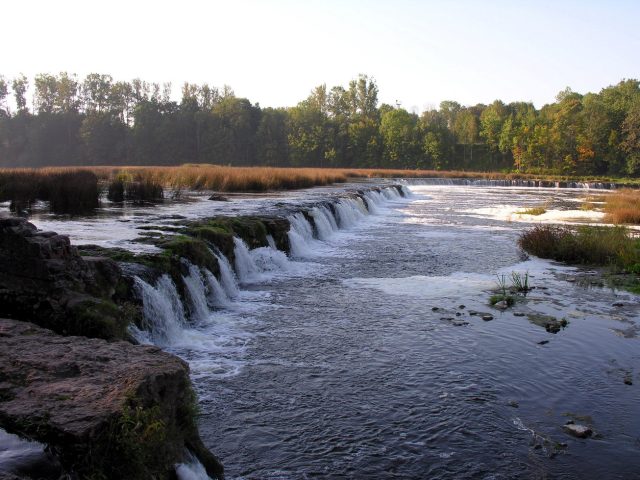
The bridge takes on a different mood with the seasons. In spring, when the Venta swells with meltwater, the river becomes a wide, rushing expanse, and the bridge seems to float above it. The reflection in the water stretches the arches into an endless loop, blurring the line between reality and illusion. By summer, the water recedes, revealing the riverbanks where locals like to stroll, listening to the lap of water against the stones and the cries of gulls overhead. Evenings bring a different kind of magic, when the lamplights flicker on and the air fills with the scent of damp earth and fresh foliage.
Like many old structures, the Venta Bridge is wrapped in stories. One legend says that during construction, workers uncovered a Viking-era hoard hidden in the riverbed. Another tells of a stonemason’s ghost who still wanders the bridge, checking the mortar for cracks. Whether these tales hold any truth is beside the point—they add a layer of mystery to the place, making it feel alive in a way that goes beyond bricks and mortar.
Today, the bridge is still in use, though the traffic is nothing like it was a century ago. Pedestrians cross it daily, cyclists glide over its surface, and the occasional car rumbles past. For visitors, it’s a favorite spot for photographs, offering a sweeping view of Kuldīga’s old town with its red-tiled roofs and the rolling hills on the opposite bank. If you climb the small hill nearby, you can see the bridge in its entirety—a long, elegant ribbon of brick curving over the water.
Kuldīga itself is a town where history feels tangible. There’s no rush here, no hum of a big city, just the steady flow of the river and the whisper of the wind through the trees. The Venta Bridge is more than just a crossing; it’s a witness to change. It has seen empires rise and fall, wars come and go, yet it remains as sturdy and graceful as ever. Walking across it, you can’t help but wonder how many lives have passed over these bricks—how many travelers, merchants, and locals have crossed paths here over the decades.
In recent years, Kuldīga has become a quiet retreat for those looking to escape the well-trodden tourist paths. The bridge is part of the reason why. It doesn’t dazzle with grand scale or ornate details, but there’s a quiet beauty in its simplicity. It’s the kind of place where you can stand for a while, watching the water flow beneath you, and feel time slow down to match the river’s pace. No fanfare, no crowds—just the bridge, the water, and the weight of history holding it all together.