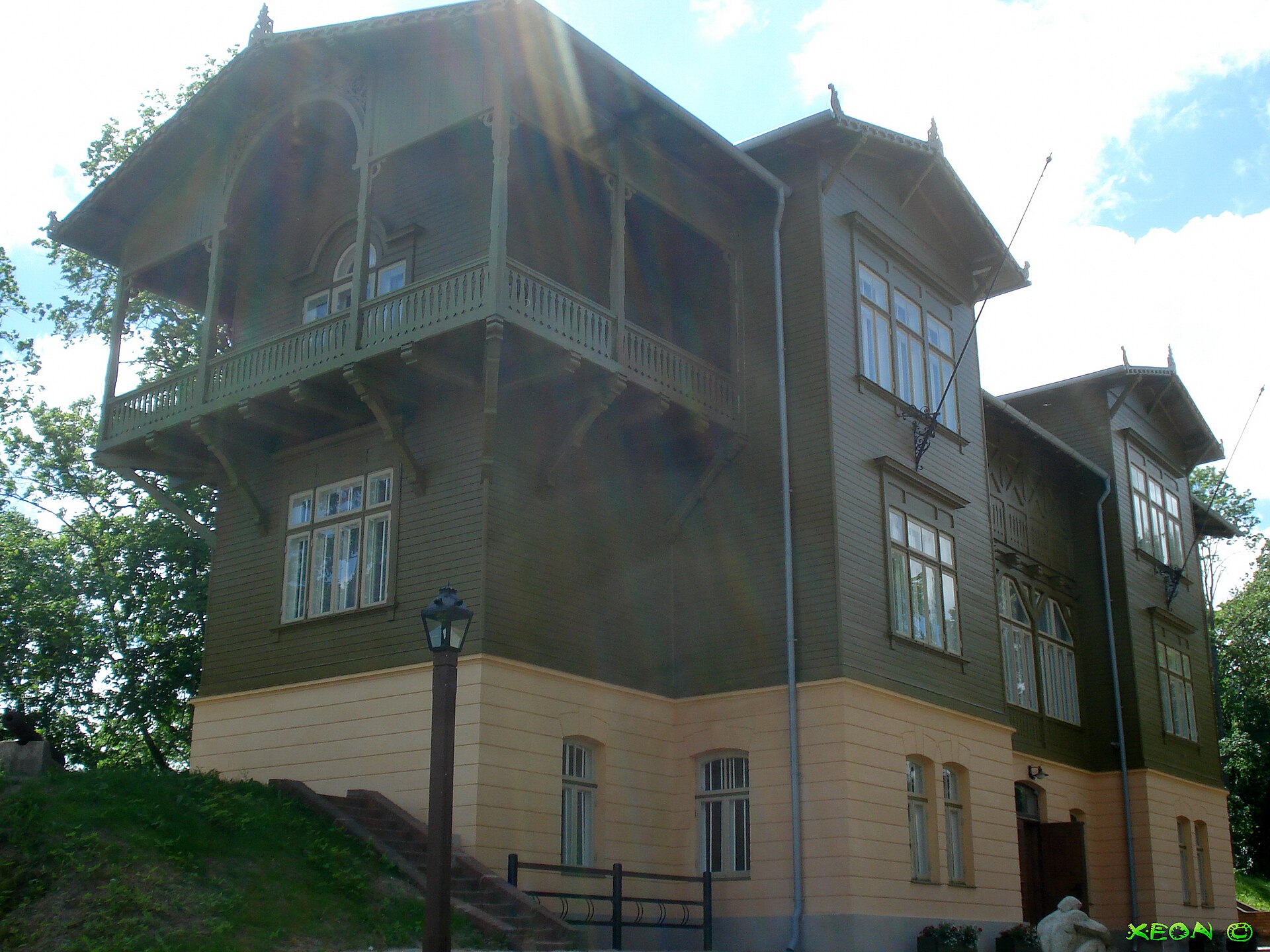
Kuldīga’s Museum of History and Art sits in the quiet heart of the old town, in a building that has watched the city change for more than two centuries. Built in the late 1700s, it once belonged to a prosperous merchant family, its thick walls bearing silent witness to the rise and fall of trade in the Courland region, the upheavals of the twentieth century, and the slower, steadier rhythms of daily life. Today, the house holds more than artifacts—it preserves the texture of the past, woven from household objects, faded documents, paintings, and the small, personal stories of the people who called this place home.
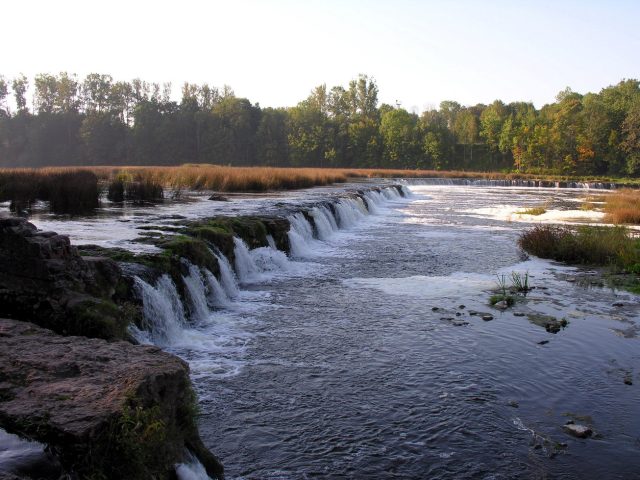
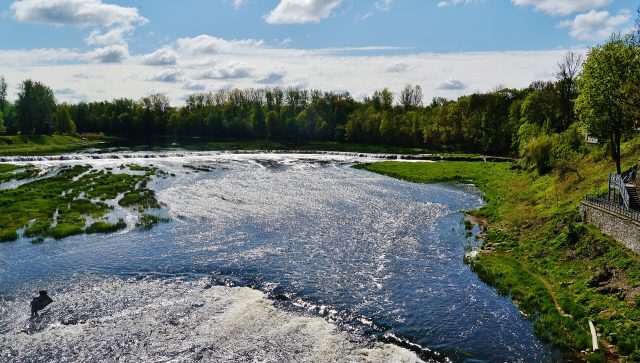
The museum doesn’t treat Kuldīga as a relic frozen in time. Instead, it presents the city as a living thing, its history still unfolding. The permanent exhibition begins with archaeological finds from the banks of the Venta River, where ancient settlements once stood. Old maps and engravings show how the town’s appearance shifted over the centuries, while displays of tools, textiles, and trade goods reflect its long tradition of craftsmanship. Pottery, blacksmithing, and weaving weren’t just skills here—they were ways of life, and in some workshops, they still are.
A separate gallery is devoted to art, featuring works by Latvian painters and sculptors, including those with ties to Kuldīga. The collection isn’t just decorative; it’s a record of the region’s creative pulse, from nineteenth-century landscapes to contemporary pieces that carry the same quiet intensity. Temporary exhibitions occasionally focus on individual artists or themes, giving the space a sense of movement, as if the walls themselves are breathing.
What makes this museum unusual is how it spills beyond its own doors. Some of the exhibits aren’t confined to glass cases—they’re scattered through the old merchant houses of Kuldīga, where original furnishings and household items recreate the atmosphere of past eras. Walking through the town afterward feels like stepping into the museum’s next room. You might pass a café or a small shop housed in a building where craftsmen once worked, the past and present overlapping in a way that feels natural, not staged.
The museum isn’t just a place to observe history—it’s a place where history is still being made. Lectures, workshops, and conversations with longtime residents bring the past into the present, while children’s programs let younger visitors try their hand at traditional crafts, shaping clay or writing with a quill pen. These activities keep the museum from feeling like a static archive, turning it into something more like a community hub.
The building itself is worth lingering over. A classic example of eighteenth-century Courland architecture, it has high ceilings, heavy wooden doors, and windows divided into small panes. The inner courtyard, once a bustling marketplace, is now a quiet spot where occasional concerts or open-air exhibitions take place. In warmer months, it’s a pleasant place to sit, surrounded by the same walls that have sheltered generations of traders and townspeople.
Beyond preserving artifacts, the museum plays a key role in keeping Kuldīga’s heritage alive. Researchers here document oral histories, revive old techniques, and piece together the fragments of the past. This work ensures that the city doesn’t lose its connection to what came before, offering both locals and visitors a deeper understanding of how Kuldīga became the place it is today. It’s not just about looking backward—it’s about carrying the past forward, inspiring new generations of artists, craftspeople, and storytellers.
Visiting the museum offers a different way of seeing Kuldīga—not as a postcard-perfect tourist stop, but as a town with layers of meaning. There’s no grandiosity here, no attempt to compete with the museums of Riga. Instead, there’s an authenticity that comes from being small, local, and deeply rooted in its surroundings. After wandering through the exhibits, you’ll likely find yourself stepping outside, eager to see the streets and buildings you’ve just learned about, as if the town itself has become part of the experience.