Weather overview
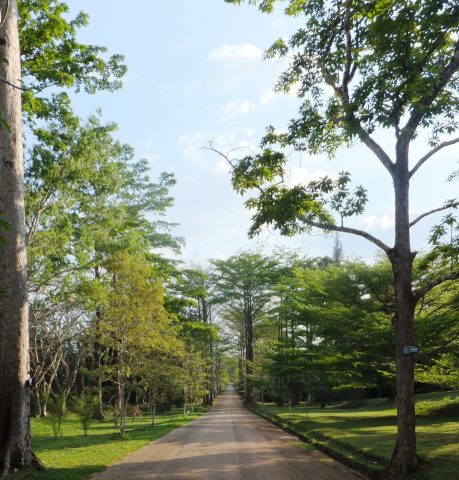
Kisantu enjoys a tropical climate with warm temperatures year-round, but the experience shifts noticeably between wet and dry seasons. From November to April, heavy rains dominate, turning the landscape lush and vibrant. The air feels humid, and downpours can be sudden, though they rarely last all day. Travelers visiting Kisantu during these months should prepare for frequent showers and occasional travel delays.
The dry season, spanning June to September, offers a stark contrast. Rainfall drops dramatically, and the skies clear, making it the most comfortable time to explore Kisantu. While temperatures remain warm, the lower humidity makes outdoor activities more pleasant. The brief transition periods in May and October blend elements of both seasons, with moderate rainfall and steady warmth.
Temperature
Temperatures in Kisantu stay consistently warm, with little variation across the year. Daytime highs typically range from +29.2 °C to +32.9 °C, peaking in March and April. Even at night, the air rarely cools below +20.7 °C, with the coolest evenings occurring in July. This steady warmth means travelers can expect a tropical feel no matter when they visit.
The most noticeable temperature shift happens between May and July, when the average drops from +26.8 °C to +24.2 °C. While this change is subtle, it coincides with the dry season, making the slightly cooler air feel more refreshing. By September, temperatures climb back to +26.4 °C, signaling the return of the wetter months and higher humidity.
| Month | Minimum | Maximum |
|---|---|---|
| January | 23.3 | 31.3 |
| February | 23.3 | 32.3 |
| March | 23.4 | 32.7 |
| April | 23.2 | 32.9 |
| May | 23.5 | 32 |
| June | 21.6 | 29.6 |
| July | 20.7 | 29.2 |
| August | 21.2 | 30.1 |
| September | 22.7 | 31.4 |
| October | 23 | 31.7 |
| November | 22.9 | 31.2 |
| December | 22.9 | 31 |
Precipitation
Rainfall defines the rhythm of life in Kisantu, with a clear wet season from October to May. The heaviest rains fall between November and March, when monthly precipitation exceeds 230 mm. November is the wettest month, with an average of 333.9 mm, while December and January follow closely behind. These months bring daily showers, often in the late afternoon or evening.
The dry season, from June to September, is almost rain-free, with July recording just 3.2 mm of precipitation. This period offers the most reliable weather for travel, though the landscape may appear drier and less vibrant. May and October serve as transitional months, with rainfall tapering off or picking up gradually.
| Month | Precipitation |
|---|---|
| January | 193.3 |
| February | 235.9 |
| March | 248.2 |
| April | 236.3 |
| May | 129.5 |
| June | 31.5 |
| July | 3.2 |
| August | 5.3 |
| September | 68.7 |
| October | 256.5 |
| November | 333.9 |
| December | 314.5 |
What to pack
For a trip to Kisantu during the wet season, lightweight, quick-drying clothing is essential. Pack a sturdy rain jacket or umbrella, as sudden downpours are common from November to April. Waterproof footwear will help navigate muddy paths, while breathable fabrics keep you comfortable in the heat and humidity. Don’t forget insect repellent, as mosquitoes thrive in these conditions.
During the dry season, from June to September, lighter layers are ideal. The lower humidity makes the warmth more bearable, but sun protection remains important. A hat, sunglasses, and sunscreen will shield you from the strong equatorial sun. If visiting in May or October, bring a mix of rain gear and lighter clothing to adapt to the changing weather.
| Month | Wind speed |
|---|---|
| January | 2.2 |
| February | 2.3 |
| March | 2.4 |
| April | 2.4 |
| May | 2.2 |
| June | 2.2 |
| July | 2.5 |
| August | 3.1 |
| September | 3 |
| October | 2.6 |
| November | 2.4 |
| December | 2.3 |