- Home
- United States
- Keystone
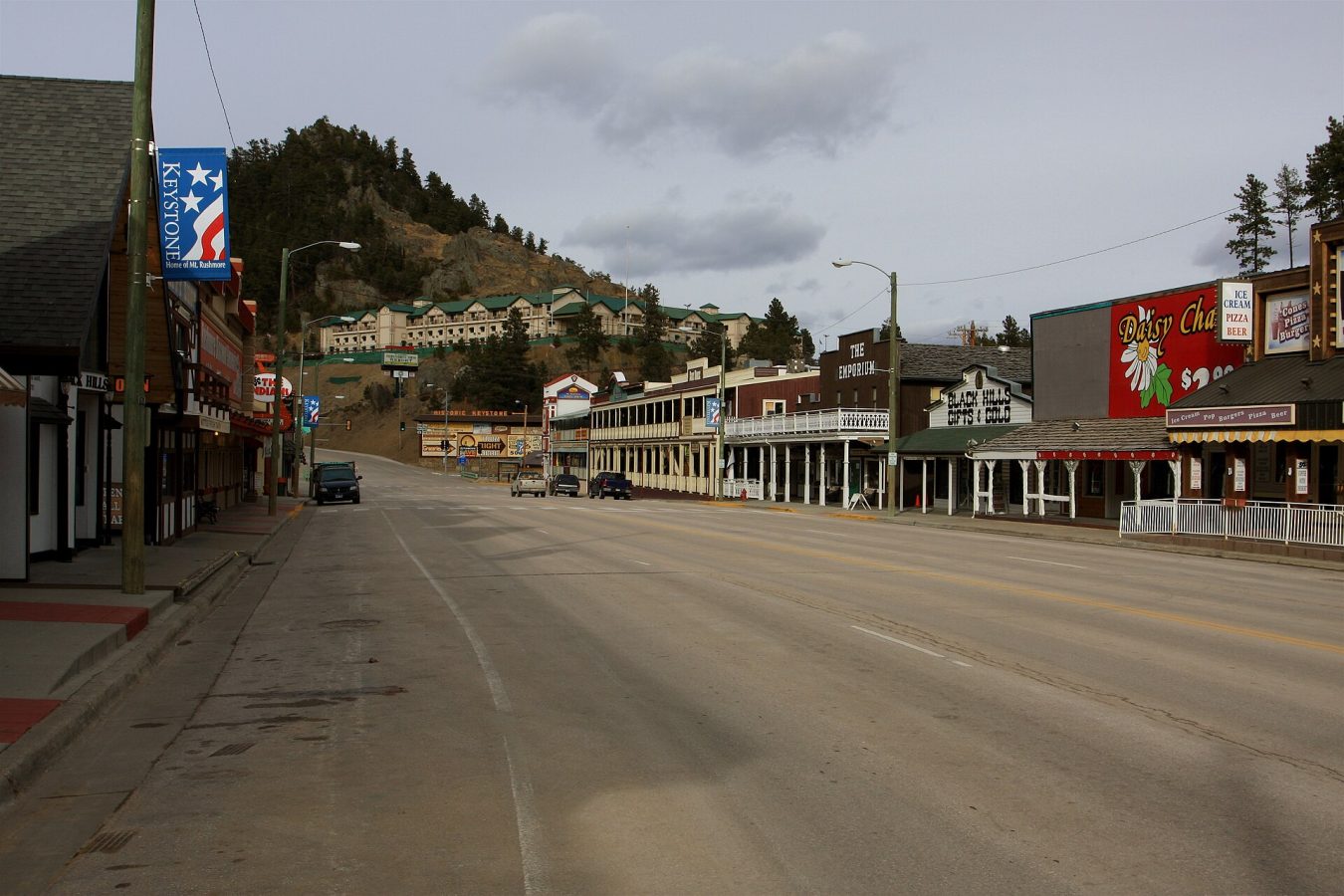
Keystone
United States · 4 places
Photo: TravelingOtter, CC BY 2.0
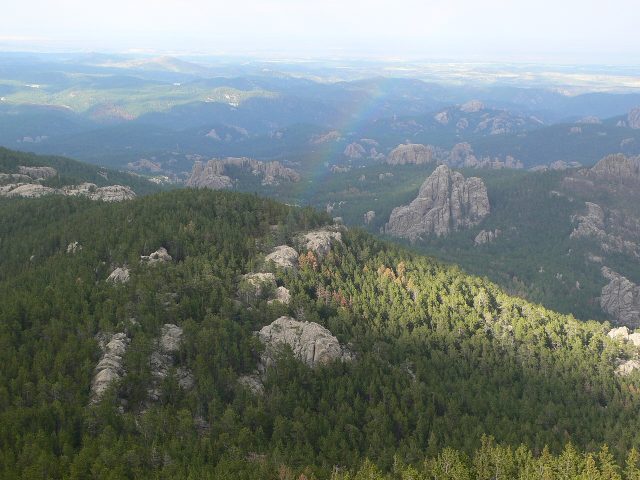
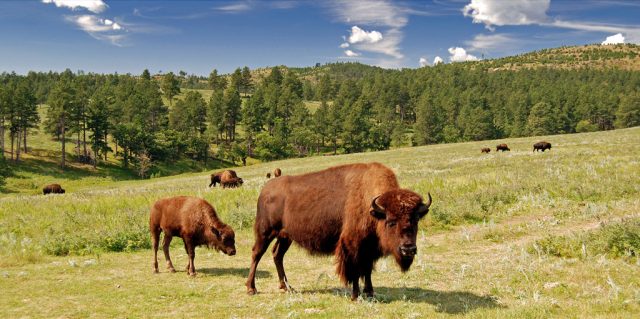
Keystone feels like a place where time slowed down just enough to let the past and present coexist without fuss. Tucked into the rolling hills of South Dakota, it sits surrounded by endless prairie, where the sky stretches so wide you can almost see the curve of the earth. There’s no city noise here—just the occasional rustle of grass, the distant whistle of a freight train cutting through the quiet, and the easy rhythm of a town that doesn’t try too hard to impress. It’s not a tourist trap, though visitors find their way here often enough, drawn by something far more famous just down the road.
That something, of course, is Mount Rushmore, the colossal presidential faces carved into the granite, an icon of the country. But Keystone isn’t just a pit stop on the way to the monument. It’s a place with its own quiet charm, the kind that reveals itself slowly to those who linger past the usual tourist window. The streets are lined with low-slung wooden buildings, their porches sagging just enough to feel lived-in. Small cafés serve pies that taste like someone’s grandmother baked them, and little shops sell handmade quilts, leatherwork, and the kind of crafts that don’t feel like souvenirs. There’s no rush here, no need to fill the silence with chatter or activity. The town just is, and that’s enough.
Like many towns in the Black Hills, Keystone was born from gold fever in the late 1800s. The rush didn’t last, but the town did, weathering booms and busts like so many others in the Old West. Today, the gold mines are mostly quiet, their remnants scattered in the hills or tucked into small museums where rusted tools and faded photographs tell the story of those who once scrambled for fortune. But history isn’t just in the exhibits—it’s in the way the old railroad depot still stands, in the abandoned mine shafts dotting the outskirts, in the way the town carries itself, as if it’s seen enough to know that nothing lasts forever, and that’s okay.
What’s surprising about Keystone is how little it’s changed despite its proximity to one of the country’s most visited landmarks. There are no crowds, no gaudy gift shops on every corner, no forced entertainment. Instead, there are wide-open parks where families spread out picnics, trails winding through the hills for those who want to stretch their legs, and benches where you can sit and watch the sun dip behind the mountains. The town has its moments—festivals in the summer, a quiet hum of activity—but it never feels overrun. In winter, it settles into a hush, broken only by the occasional snowfall, the kind of quiet that makes you want to slow down too.
If you’re here for Mount Rushmore, it’s worth staying a little longer. Wander the streets, duck into a café for a slice of cherry pie that’s still warm from the oven, or drive out to one of the nearby lakes where the water reflects the sky like a mirror. Keystone won’t dazzle you with grandeur or spectacle, and that’s the point. It’s a place where the appeal lies in the unremarkable—the way the light hits the storefronts in the afternoon, the way the locals nod at you as you pass, the way the air smells like pine and earth. It’s the kind of America that exists beyond the interstates and the tourist brochures, the kind that doesn’t need to shout to be heard.
See & Do
4 places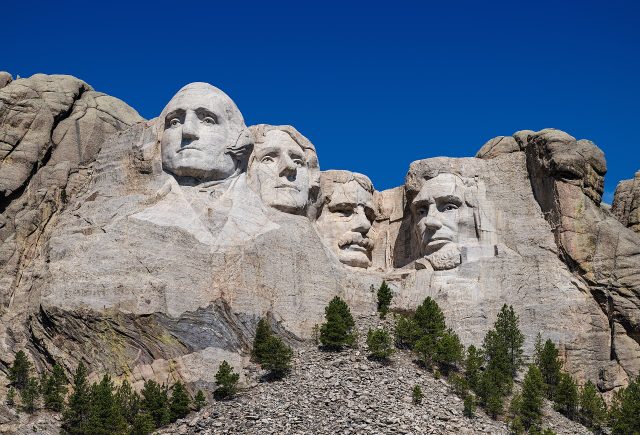
Places on the map
Marker colour follows the categoryClimate and weather
Detailed weather: Keystone- Average temperature
- 8 °C
- Precipitation per year
- 445 mm
Average air temperature
°C
-4
-5
2
6
13
20
23
22
17
8
3
-3
Jan
Feb
Mar
Apr
May
Jun
Jul
Aug
Sep
Oct
Nov
Dec