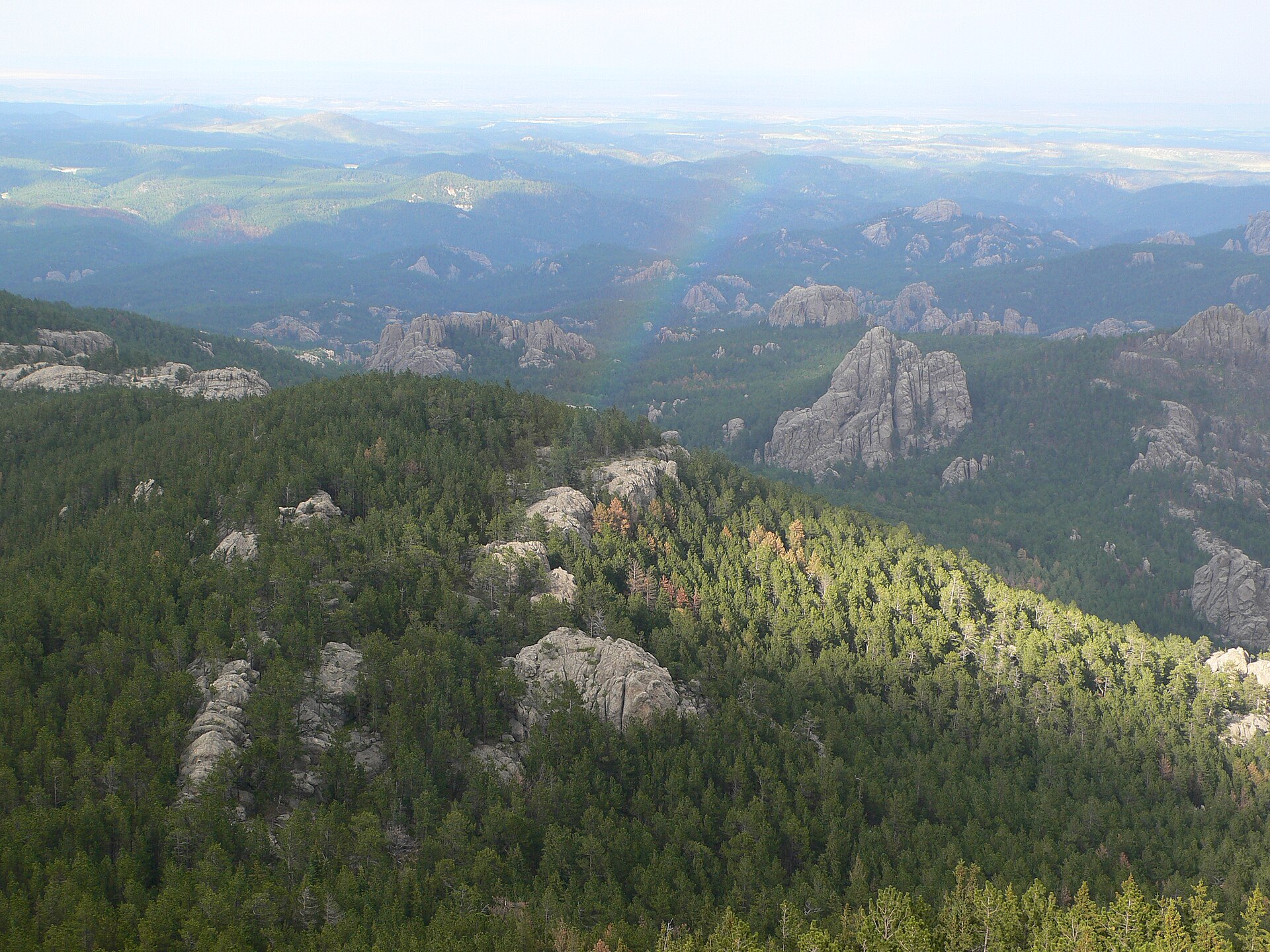
Black Hills National Forest sprawls across western South Dakota and northeastern Wyoming, where the Great Plains abruptly rise into forested mountains, creating a landscape unlike anywhere else in the region. The air here carries the scent of pine and damp earth, while jagged granite ridges interrupt the horizon, remnants of ancient geological upheavals. Covering over a million acres, the forest shifts from rugged peaks in the east to gentler, rolling foothills in the west. It’s easy to forget you’re in the heart of the continent—roads vanish into dense woods, and the sense of untouched wilderness lingers in every direction.
The history of the Black Hills is deeply tied to the Lakota people, who called these mountains *Paha Sapa*—sacred lands where spirits dwelled and ceremonies took place. European settlers arrived in the mid-19th century, drawn by rumors of gold, and the ensuing rush transformed the region. Forests were cleared, rivers polluted, and Indigenous communities displaced. In 1877, the U.S. government took control of the Black Hills under a treaty the Lakota still consider unjust. Today, the forest is both a natural sanctuary and a reminder of that complicated past, where every trail carries echoes of the people who once called these lands home.
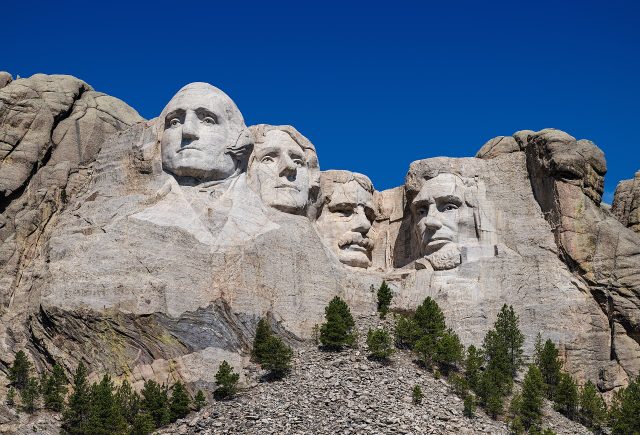
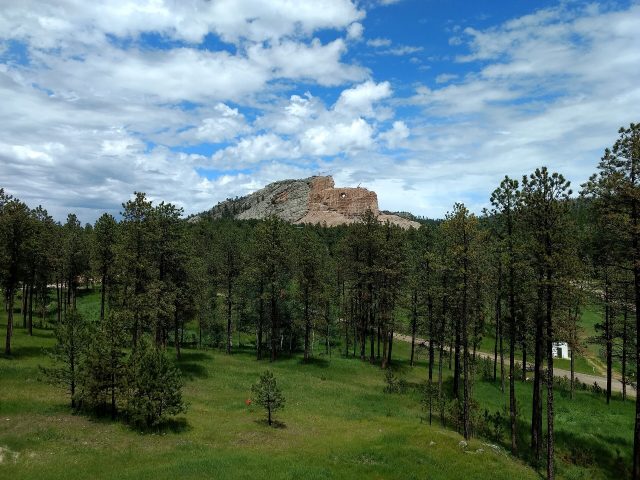
There’s little traditional architecture here—most of the landmarks were shaped by time rather than human hands. Towering rock formations like those in the Needles or Cathedral Spires resemble the ruins of some long-lost civilization. Yet people have left their mark too: abandoned mining towns, rusted equipment, and weathered cabins scattered through the woods tell stories of the gold rush era. Mount Rushmore stands as a controversial symbol, its presidential faces carved into granite—a monument to both national pride and the violent history of westward expansion. But in the grand scale of the forest, even these human creations feel small, overshadowed by the raw power of the landscape itself.
The Black Hills form a thriving ecosystem where hundreds of plant and animal species coexist. Mule deer graze along meadows, red-tailed hawks circle overhead, and trout dart through clear mountain streams. In quieter corners, black bears and mountain lions still roam. The climate is distinctly continental, with cold winters and warm summers, when wildflowers bloom and the scent of pine fills the air. Autumn is especially striking, as golden larches and crimson aspens paint the hillsides, and morning fog drifts through the valleys like smoke from long-extinguished campfires.
For travelers, the Black Hills offer a rare escape from crowds. Unlike more famous national parks, the forest feels remote, with winding roads leading to secluded lakes and overlooks. Hikers can choose from hundreds of miles of trails, from gentle streamside paths to challenging summit climbs. Cyclists ride old logging roads, while kayakers paddle the clear waters of Spearfish Creek or cast lines in Lake Sherman. Winter transforms the forest into a snowy wonderland, perfect for snowmobiling, cross-country skiing, or simply wandering quiet trails under a hush of fresh powder.
One of the most rewarding hikes is the Harney Peak Trail, leading to the summit of South Dakota’s highest mountain. The climb takes several hours, but the panoramic views of the surrounding forest make it worthwhile. For those who prefer something less strenuous, the Jewel and Wind Caves hide intricate formations and underground lakes. Waterfalls, especially dramatic in spring, dot the landscape, and even a quiet evening by a campfire can feel like an adventure. The forest has a way of making even the simplest moments feel meaningful.
The Black Hills are also a place where cultures intersect. Traditional Lakota ceremonies still take place here, and the Pine Ridge Reservation offers a glimpse into contemporary Indigenous life. Small towns like Hill City and Keystone preserve the legacy of the gold rush, with museums and historic sites telling stories of the Old West. Summer brings rodeos, powwows, and outdoor concerts, but the forest has its own rhythm—old miner cemeteries, abandoned shafts, and rusted railroad tracks serve as quiet reminders of the people who once flocked here in search of fortune.
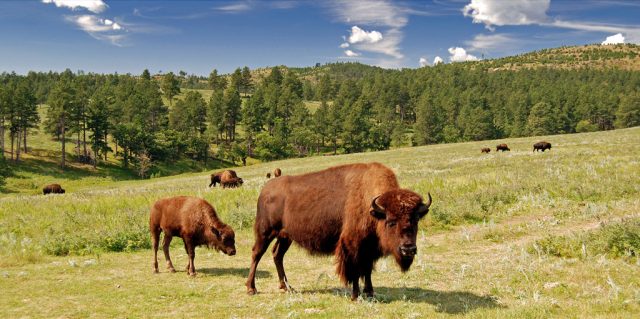
Despite its remoteness, the Black Hills remain a living, breathing place. There are no luxury resorts or tourist traps, just cozy campgrounds, guest ranches, and small diners serving homemade pie. Locals are friendly, often eager to share stories or point visitors toward hidden spots not found in guidebooks. Even without a plan, the forest has a way of revealing its secrets—a herd of bison grazing in a meadow, a ranger’s cabin where you can sip coffee and swap tales, or a sudden clearing with a view so vast it takes your breath away.
The Black Hills don’t try to charm visitors. They can feel harsh, especially in stormy weather when wind bends the trees and fog swallows the peaks. But that’s when the forest feels most alive—raw, unfiltered, and unapologetic. It’s not a theme park or a curated experience; it’s a place where you can find silence, adventure, or just the rare sense of freedom that comes from being truly alone in the wild. Whether you come for the history, the scenery, or the quiet, the Black Hills have a way of staying with you long after you leave.