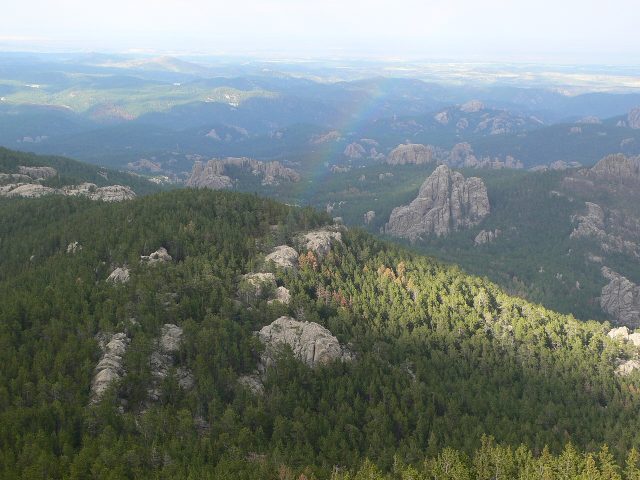
Custer State Park sprawls across the southern reaches of the Black Hills in South Dakota, where the mountains gradually give way to the vast prairie. It’s a place where nature seems to have gathered every possible landscape into one corner of the world—rugged cliffs, dense pine forests, open meadows, and lakes so clear they mirror the sky. Named after General George Armstrong Custer, the park carries the weight of history, a quiet reminder of the conflicts that once unfolded between Native nations and the U.S. Army. Today, the land feels peaceful, but the past lingers in the rocks and the winding roads.
Established in 1919, Custer is South Dakota’s oldest state park, created when these lands were just beginning to draw visitors. Back then, the Black Hills were still a frontier, and the park became one of the first places where people could experience their untamed beauty. Remnants of an old railroad, once used to transport gold seekers and travelers, now serve as trails for hikers. Rusting fragments of railcars still turn up in the woods, silent relics of a time when the West was still being settled.
The park’s architecture is unassuming but fits seamlessly into the landscape. Wooden bridges, overlooks, and visitor cabins echo the style of early settlers, blending into the surroundings rather than standing out. The visitor center is a focal point, offering exhibits on the region’s history and its original inhabitants. Inside, you’ll often find displays dedicated to the Lakota and other Native peoples who have long considered these lands sacred. The center serves as a bridge between past and present, grounding visitors in the stories that shaped this place.
Nature is the park’s true highlight. Several lakes dot the area, with Sylvan Lake being the most famous. Surrounded by granite cliffs that reflect perfectly in its still waters, the lake feels almost otherworldly. In summer, people come to swim, fish, or simply sit by the shore with a book. When winter arrives, the lake freezes over, turning into a natural ice-skating rink. A trail loops around the water, offering hours of walking with nothing but views and fresh air to keep you company.
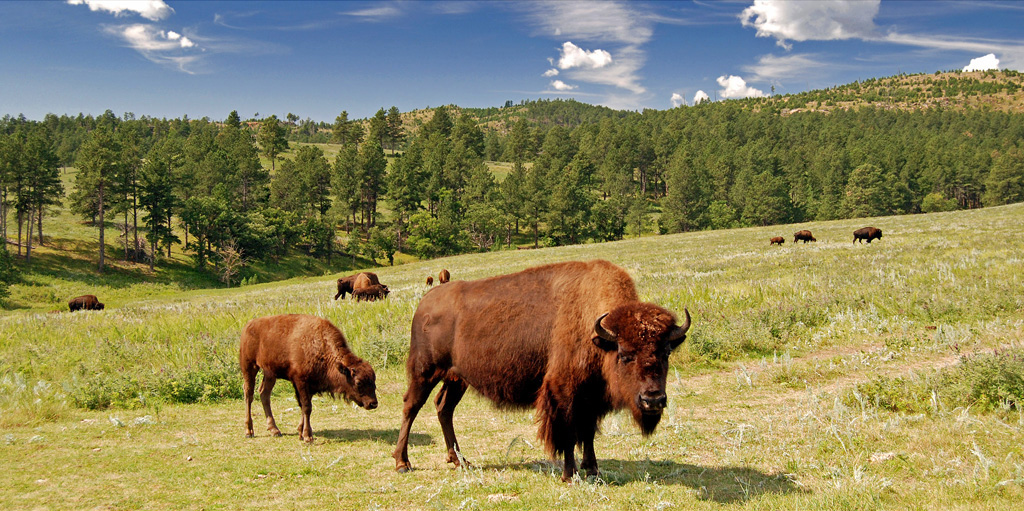
For those who prefer more activity, the park has plenty to offer. Hiking trails range from easy forest strolls to challenging climbs up rocky outcrops. Cyclists can ride along designated paths, while horseback riders will find well-marked routes winding through the hills. In the warmer months, guided nature walks introduce visitors to the local flora and fauna. The park is home to deer, bison, coyotes, and even the occasional mountain lion, though the latter rarely make an appearance.
A designated wilderness area within the park preserves a slice of untouched nature. Here, no construction or human interference is allowed, ensuring that the land remains as it has for thousands of years. Walking through this part of the park feels different—quieter, more immersive. The only sounds are the wind rustling through the pines and the calls of birds, creating a sense of solitude that’s hard to find elsewhere.
Beyond its natural beauty, Custer State Park plays an important role in preserving the region’s cultural heritage. Throughout the year, festivals and events celebrate the history and traditions of the Native peoples who have lived here for generations. In the summer, visitors might witness Lakota dances, hear stories from elders, or sample traditional foods. The park works closely with local communities to ensure that these traditions are passed down, keeping the connection to the land alive.
Visiting Custer State Park isn’t about flashy attractions or crowded tourist spots. It’s about stepping into a place where history and nature intertwine effortlessly. Whether you come for a day or stay longer, the park has a way of leaving an impression. Maybe it’s the quiet, the vastness of the landscape, or the sense that here, everything is exactly as it should be—the rocks, the trees, even the wind moving through the valleys. It’s a place that feels timeless, where the past and present exist side by side.