El Chaltén
Argentina · 4 places
Photo: David, CC BY 2.0
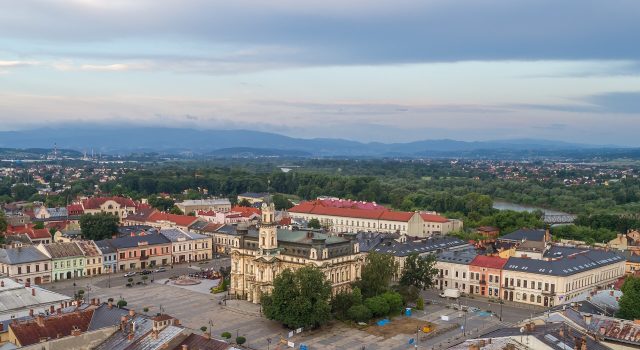
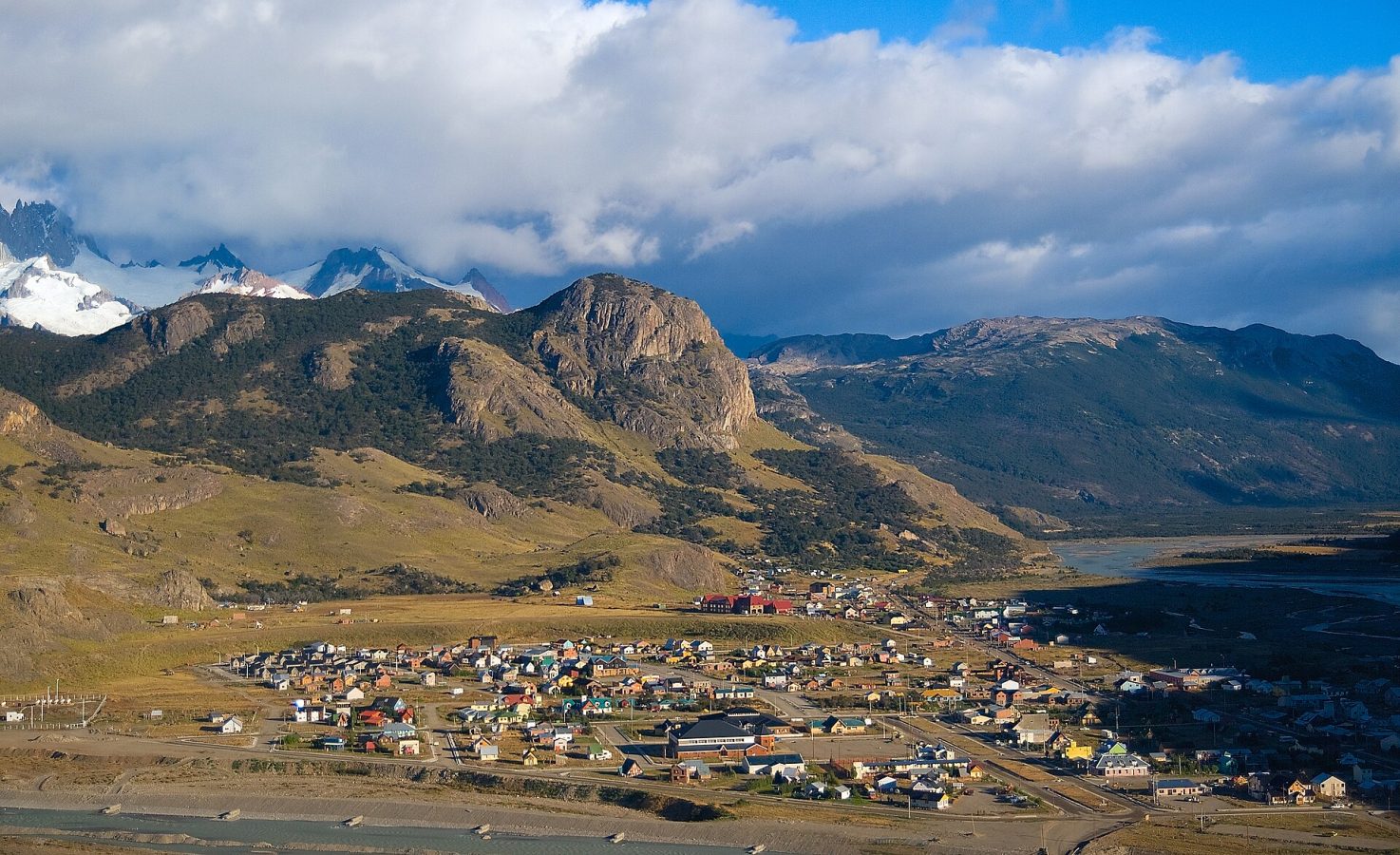
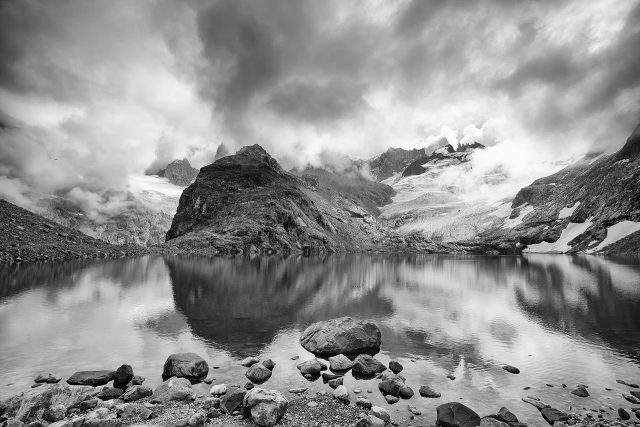
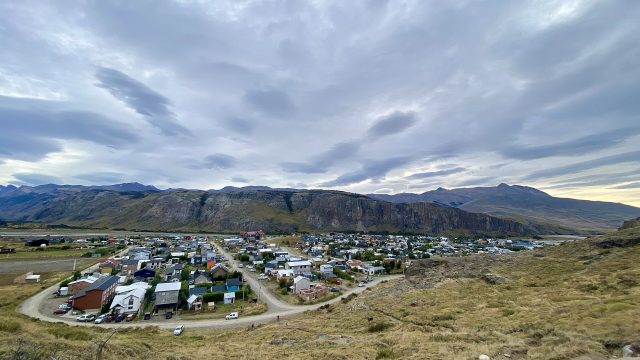
El Chaltén sits where the jagged granite spires of Fitz Roy scrape the Patagonian sky, a place where trails weave between glaciers and turquoise lakes. Founded in the 1980s as a base camp for climbers and trekkers, it has stayed that way—no traffic lights, no high-rises, just gravel streets and low wooden houses that seem to grow straight from the earth. The town feels temporary, as if it might vanish when the last hiker leaves, but that’s part of its charm. It exists for one reason: the mountains.
Mornings here smell of fresh coffee and buttery pastries. In cafés like La Tapera or Ahonikenk, people huddle over maps, packing sandwiches with avocado and filling thermoses with tea. They check the weather forecast, though everyone knows it won’t matter—conditions change by the hour. By evening, the same cafés are full of tired, sunburned faces. Someone flips through photos of Laguna de los Tres, another groans about the wind that nearly knocked them off the trail near the glacier. The conversation is always the same: the mountain, the weather, the next day’s plan.
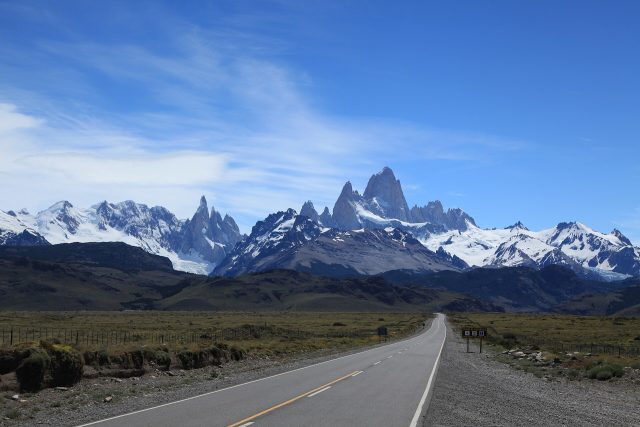
Fitz Roy dominates everything. The locals call it Chaltén, a Tehuelche word meaning "smoking mountain," though it’s less about smoke and more about the clouds that cling to its summit like a veil. At 3,405 meters, it looms over the town, visible from hostel windows, trailheads, even the counter of a café if you sit in the right spot. Climbers come for its sheer walls, trekkers for the views. The two most popular routes are Laguna de los Tres—a grueling 25-kilometer round trip—and the shorter, gentler Laguna Capri. Both demand clear skies; in fog or rain, the mountain disappears entirely, leaving only the wind and the weight of your own footsteps.
Weather here is a gamble. One moment, the sun blazes down; the next, snowflakes swirl in the air. Gusts can reach 80 kilometers an hour, strong enough to send a backpack tumbling. The locals have a saying: if you don’t like the weather, wait five minutes. But that unpredictability is why people keep coming back. Because when the clouds part and Fitz Roy stands revealed—sharp, impossible, glowing in the late afternoon light—it’s the kind of sight that lingers long after you’ve left.
There are no luxury hotels in El Chaltén, just hostels like Rancho Grande or Destino Sur, where a bed costs as little as thirty dollars a night, and campsites tucked beneath the peaks. No Michelin-starred restaurants, either, but places like El Muro, where the salmon is grilled to perfection, or La Cervecería, where the beer is brewed on-site and tastes like victory after a long day on the trail. The town doesn’t offer comfort—it offers something better. The chance to wake before dawn, lace up your boots, and set out while the world is still dark. The satisfaction of sore legs and wind-chapped cheeks. The quiet thrill of returning to town after hours in the mountains, knowing you’ve done something real. That’s El Chaltén.
See & Do
All of them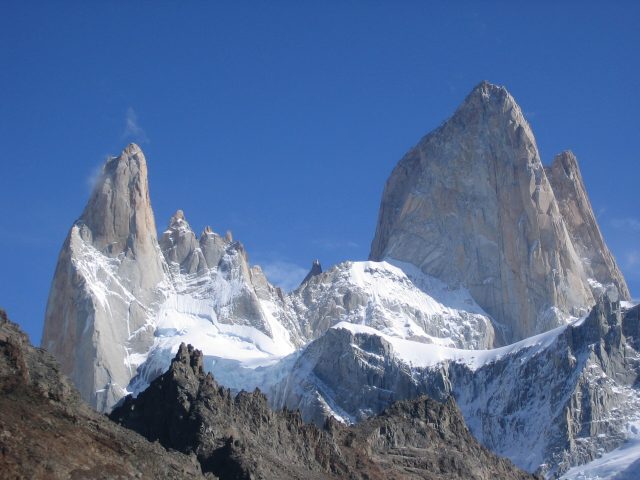
Places on the map
Marker colour follows the categoryClimate and weather
Detailed weather: El Chaltén- Average temperature
- 6 °C
- Precipitation per year
- 0 mm
Average air temperature
°C
12
11
9
7
3
-0
-1
1
3
7
9
11
Jan
Feb
Mar
Apr
May
Jun
Jul
Aug
Sep
Oct
Nov
Dec