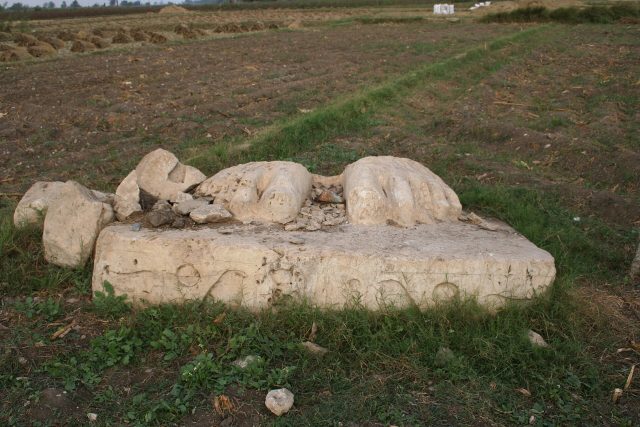
Ipoh
Malaysia · 8 places
Photo: Phalinn Ooi, CC BY 2.0
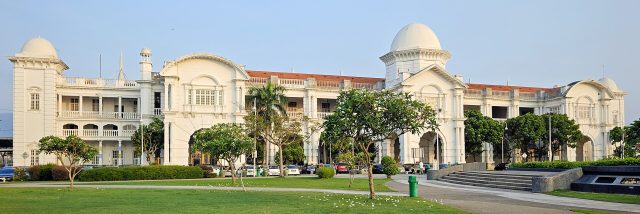
Ipoh is a city that feels suspended between eras, neither fully lost in the past nor swept up in the rush of the present. Nestled in the heart of Perak state, it sprawls across a valley framed by low, green hills and the slow-moving Kinta River, which winds through its older neighborhoods. There’s no urgency here, no skyscrapers jostling for attention—just wide, quiet streets lined with shady trees and colonial-era buildings whose facades still bear the marks of British rule. Ipoh doesn’t demand admiration; it simply exists, a place where history and everyday life intertwine so seamlessly that time seems to move at its own unhurried pace.
Once the tin mining capital of Malaysia, Ipoh still carries the weight of its boomtown past. In the late 19th century, fortune-seekers from across the globe—Chinese laborers, Indian merchants, European investors—flocked here, building grand mansions, bustling shops, and ornate temples. The city thrived, becoming one of the wealthiest in the region, and though the mines have long since fallen silent, their legacy lingers. Some have been reclaimed by nature, turning into serene lakes, while others stand as crumbling relics of an era when Ipoh was a name on every speculator’s lips. The old town is full of these quiet reminders: art deco villas with faded elegance, shophouses with intricate tilework, and the occasional abandoned mine shaft, now overgrown with vines.
But Ipoh’s reputation today rests just as much on its food as on its history. The city is a culinary crossroads where Malay, Chinese, and Indian flavors have blended into something uniquely its own. Here, you’ll find what many consider the best chicken rice in the country—tender, fragrant, served with a side of fiery sambal. There’s also tau fu fah, silky tofu drenched in a sweet shrimp paste sauce, and curries so rich they linger on the tongue long after the last bite. The streets hum with activity from dawn till dusk, with hawkers and tiny cafes dishing out everything from simple street snacks to elaborate feasts. Then there are the old coffee shops, where the brew is still made the traditional way—strong, slightly bitter, served with condensed milk—and the walls are lined with black-and-white photos of the original owners, watching over the steady stream of regulars.
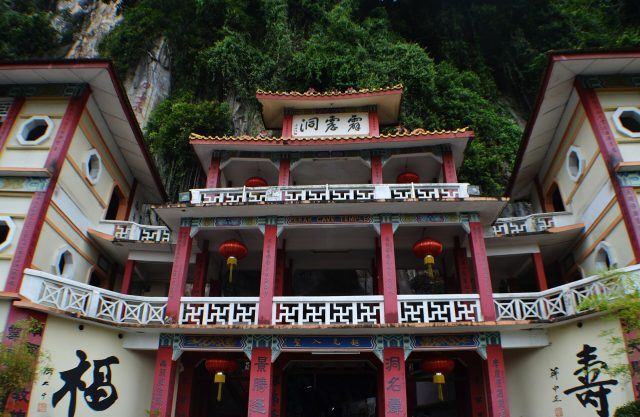
For all its charm, Ipoh remains refreshingly free of tourist crowds. It’s a place where you can wander without an agenda, stumbling upon hidden gems rather than ticking off must-see sights. On the city’s outskirts, limestone caves house ancient Buddhist temples, their golden statues glowing in the dim light of incense-filled chambers. Nearby, fruit plantations offer a glimpse of rural life, where durian and mangosteen trees stretch as far as the eye can see. Or you might spend an afternoon in one of the old colonial bungalows, now repurposed as cafes, sipping tea on a veranda as the sun dips behind the hills, painting the sky in soft golds and pinks.
Ipoh doesn’t try to impress. It doesn’t need to. There’s no glamour here, no carefully curated image—just the quiet confidence of a city that has always been exactly what it is. It won’t overwhelm you with spectacle, but it will leave you with something deeper: the sense of having stepped into a slower, more deliberate world, where the past isn’t just preserved but still very much alive. The longer you stay, the more you realize that Ipoh doesn’t follow anyone else’s rhythm—it sets its own, and the only thing left to do is fall into step.
See & Do
8 places

Places on the map
Marker colour follows the categoryClimate and weather
Detailed weather: Ipoh- Average temperature
- 28 °C
- Precipitation per year
- 2626 mm
Average air temperature
°C
27
28
28
28
28
28
28
28
27
27
27
27
Jan
Feb
Mar
Apr
May
Jun
Jul
Aug
Sep
Oct
Nov
Dec