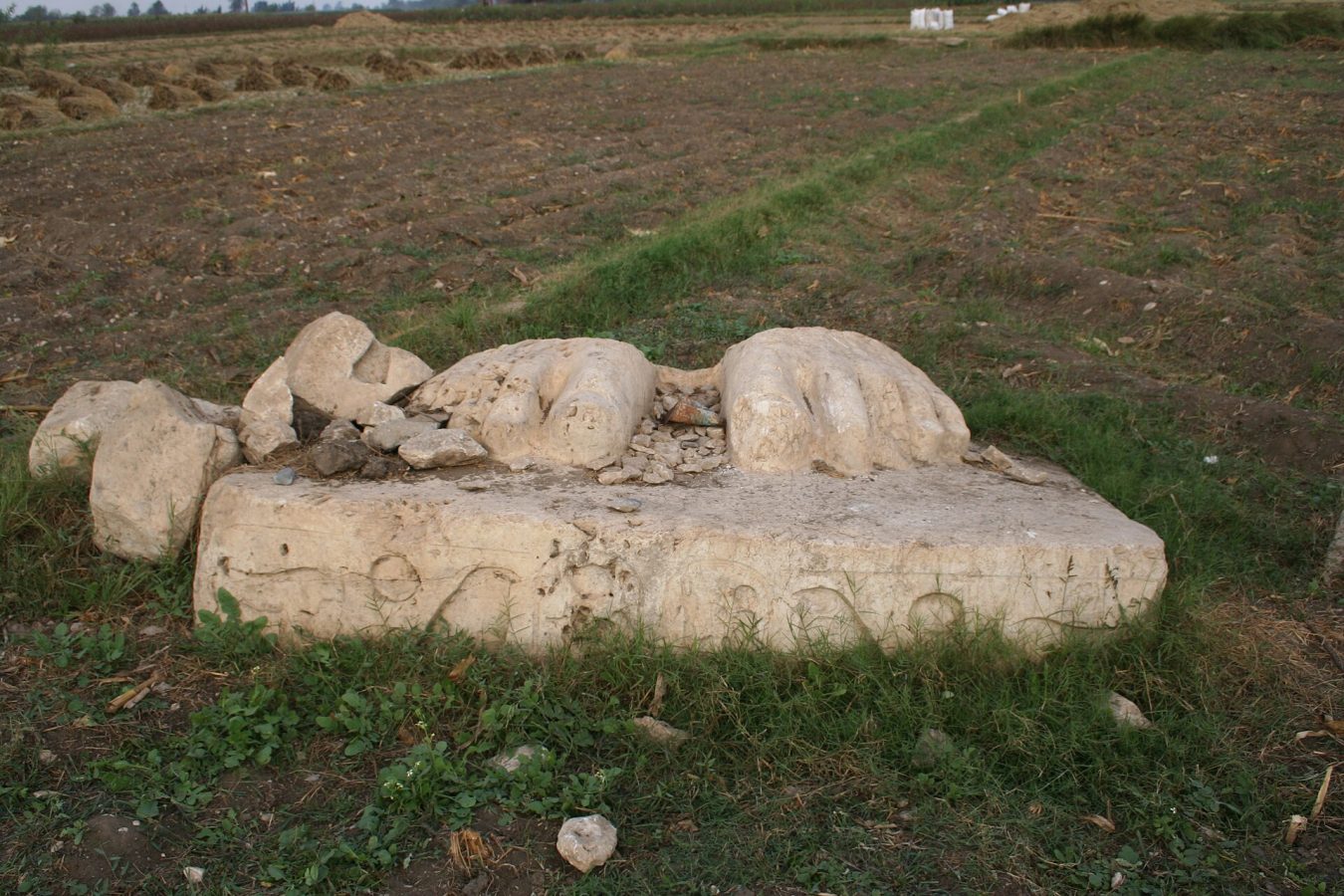
Kantir
Egypt · 1 place
Photo: Iri-en-achti, Public domain
Port Said’s quieter cousin on the Suez Canal, Kantir feels like a place where time has settled into its own rhythm. There are no resort crowds here, no beachfront nightclubs or souvenir shops hawking papyrus scrolls. Instead, the air carries the scent of salt and diesel, the slow churn of the canal, and the quiet hum of a town that has long lived in the shadow of something far larger than itself. Just an hour’s drive from Ismailia, Kantir sits at the edge of the desert, where the last of the asphalt gives way to sand and the horizon stretches flat and endless. It’s a small place, easy to overlook, yet it was here, in the middle of the last century, that the first shovels broke ground for the Suez Canal—a waterway that would reshape global trade and, in its own way, the fate of this corner of Egypt.
The canal is the town’s heartbeat. From the docks, you can watch container ships glide past, their hulls so vast they seem to move in slow motion, slicing the continent in two with nothing but a narrow strip of water. On clear days, the Sinai Peninsula looms across the way, its dunes dissolving into the haze. Fishermen still cast their nets from weathered boats, hauling in the day’s catch to sell right on the pier, where the only bargaining happens over the price of a kilo of sea bass. There are no tourist traps here, just a handful of no-frills cafés where men sip strong tea and debate football over plates of grilled fish, the coals still hissing beneath the skewers.
Beyond the town, the desert begins almost immediately, its dunes rising like soft waves against the sky. They’re not the towering dunes of the Sahara, but they have their own quiet drama, shifting with the wind and swallowing the remnants of old British forts or the skeletal remains of railway stations from a time when this was a bustling transit point. Bedouin guides occasionally offer camel rides through the scrub, pointing out the faint traces of ancient caravan routes or the occasional oasis where date palms cluster around a well. The desert here isn’t empty—it’s alive with the rustle of birds migrating between Africa and Europe, their calls sharp against the stillness.
Life in Kantir moves at its own pace. Mornings start with the call to prayer drifting over the rooftops, and evenings find families gathered along the waterfront, watching the lights of passing ships flicker on the canal. There’s no rush to become the next big tourist destination, and that’s precisely what makes it special. The hotels are simple, the kind where the sheets are clean and the water runs lukewarm, and the restaurants serve food the way it’s been cooked for generations—spiced, slow-cooked, and meant to be shared. If you’re lucky, you might stumble upon a local festival or a wedding, where the music spills into the streets and the dancing goes on until dawn.
This isn’t the Egypt of postcards or guided tours. There are no pyramids here, no grand temples or manicured resorts. What Kantir offers instead is something rarer: a place where history isn’t just preserved in stone but woven into the fabric of everyday life. It’s a town where the desert breathes, the canal hums, and the past isn’t something to be visited but something that lingers in the way people live, work, and move through the world. For those willing to look beyond the usual itineraries, it’s a reminder that Egypt isn’t just a land of ancient wonders—it’s a place that’s still very much alive.
See & Do
All of them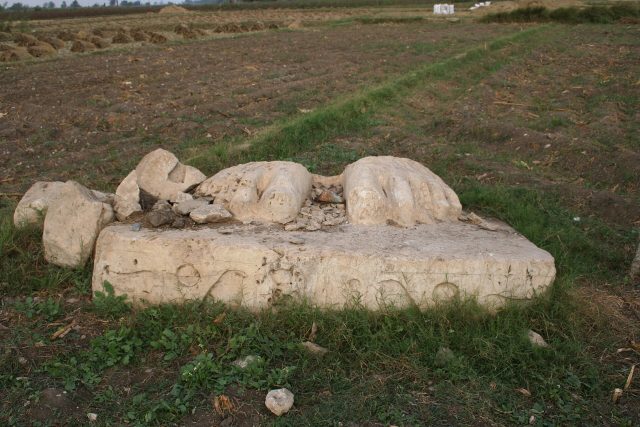
Places on the map
Marker colour follows the categoryClimate and weather
Detailed weather: Kantir- Average temperature
- 22 °C
- Precipitation per year
- 25 mm
Average air temperature
°C
14
14
17
21
25
28
30
30
28
24
20
17
Jan
Feb
Mar
Apr
May
Jun
Jul
Aug
Sep
Oct
Nov
Dec


