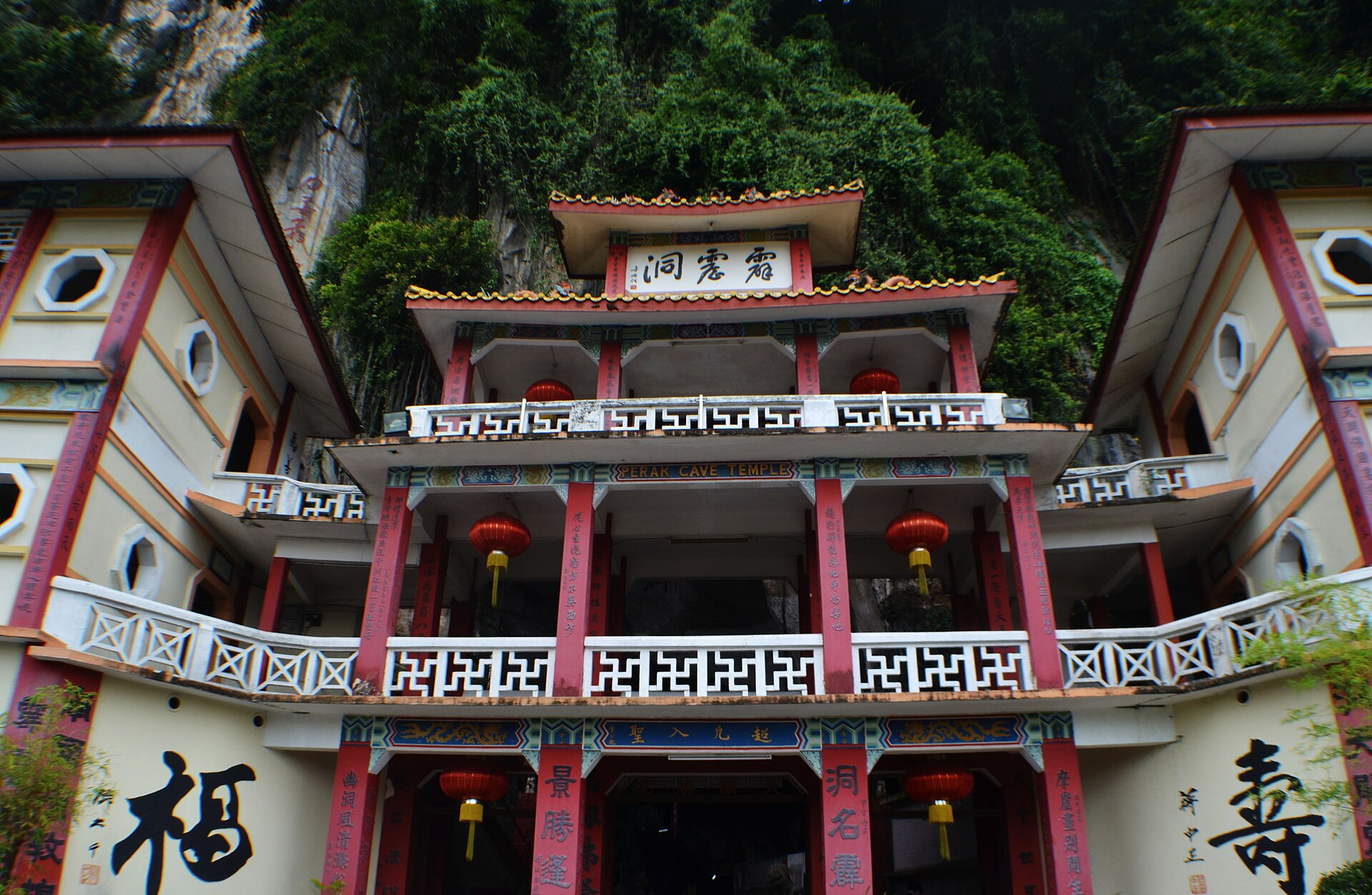
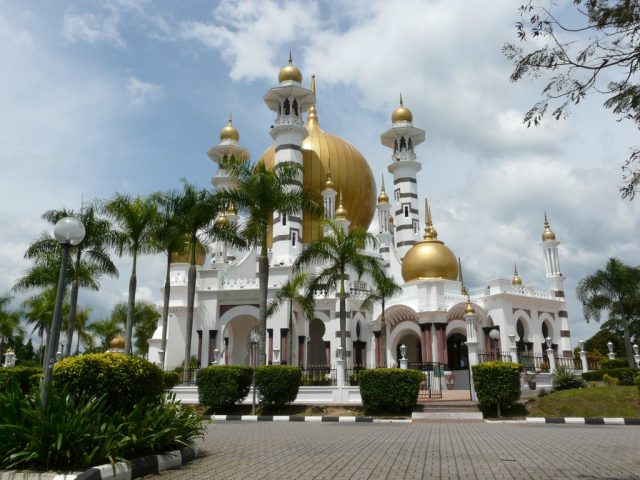
Perched on the outskirts of Ipoh, the Kek Lok Si cave temples are where the raw beauty of nature meets the quiet devotion of human faith. The limestone cliffs that house these sanctuaries rise abruptly from the surrounding landscape, their jagged forms shaped over millions of years by retreating seas and relentless erosion. Long before they became a place of worship, these caves offered shelter to early settlers, their cool interiors a refuge from the tropical heat. Over time, the grottos were transformed into sacred spaces, their walls adorned with altars and statues that reflect the spiritual traditions brought to Malaysia by Chinese immigrants.
The history of Kek Lok Si is closely tied to the spread of Buddhism in the region. By the early 20th century, local Chinese communities had begun to establish shrines within the caves, installing statues of the Buddha and creating simple altars for prayer. What started as modest places of devotion grew into a significant religious site, particularly during major Buddhist festivals like Vesak or the Lunar New Year. On these occasions, the caves fill with the scent of burning incense and the murmur of prayers as pilgrims gather to honor their beliefs and ancestors. The atmosphere is one of reverence, but also of warmth, as families and visitors share in the rituals.
The architecture of the temple complex blends seamlessly with the natural contours of the caves. Inside, the grottos open up to reveal towering Buddha statues, their surfaces gilded in gold leaf and inlaid with semi-precious stones. Carved wooden panels depict scenes from Buddhist lore, their intricate details catching the light that filters through narrow crevices in the rock. The main chamber is dominated by a massive seated Buddha, its serene expression framed by the cave’s vaulted ceiling. The play of light and shadow here creates a sense of tranquility, as if the very walls are breathing with the weight of centuries.
Reaching the temples requires a climb up a steep staircase carved directly into the limestone. The steps wind past small shrines and pagodas, where visitors leave offerings of fruit, flowers, or coins. At the top, the view stretches across Ipoh, a city of colonial-era buildings, lush hills, and sprawling rubber and palm plantations. On clear days, the horizon seems endless, and the pace of life slows, as if the caves themselves encourage a moment of reflection away from the bustle below.
While Kek Lok Si is a place of pilgrimage, it also draws curious travelers. There are no rigid rules for visitors, but a respectful demeanor is appreciated—modest clothing, quiet voices, and a gentle touch around the statues. Monks can sometimes be seen meditating in the caves or performing rituals, and if approached with genuine interest, they may share insights into the site’s history or the principles of Buddhism. The caves are not just a religious site but a living space where faith is practiced daily.
Beyond their spiritual significance, the caves hold geological interest. The limestone formations bear the marks of ancient seas and the slow work of erosion. Some grottos still contain traces of stalactites and stalagmites, though many were altered or removed during the temples’ construction. Even so, the caves retain a sense of untamed beauty, a reminder of the delicate balance between human intervention and the natural world.
A visit to Kek Lok Si pairs well with exploring Ipoh itself. The city’s old quarter is a mix of colonial architecture and local charm, with shophouses and cafes offering a glimpse into its history. After wandering the temples, it’s worth stopping for a cup of Ipoh’s famous white coffee or a bowl of curry noodles, dishes that have been perfected over generations. The food here is simple but deeply flavorful, much like the experience of the caves—unassuming yet unforgettable.
What makes Kek Lok Si special is its ability to feel both timeless and alive. The caves hold the echoes of ancient legends while remaining a part of modern life, a place where the sacred and the everyday coexist. The silence within the grottos is profound, a rare thing in a world that often feels too loud. Whether you come seeking spiritual solace or simply to marvel at the view, the temples leave an impression that lingers long after you’ve descended the steps back into the city.