Ipoh’s Geology Museum is one of those quiet places that tells a story far bigger than itself. Tucked away in the heart of Perak, it holds the traces of millions of years—layers of rock, shifting landscapes, and the slow, relentless work of time. The exhibits here aren’t just about minerals and fossils; they’re about how the earth shaped this region, and how people, in turn, shaped the land. It’s a place where geology and history intertwine, where every display feels like a chapter in a much longer narrative.
The museum’s location in Ipoh isn’t accidental. The city grew from the wealth beneath its feet, its identity forged by tin mining, an industry that defined Perak for centuries. In the 19th century, this area was one of the world’s largest tin producers, and Ipoh became a boomtown, its streets lined with the fortunes of miners and merchants. The museum doesn’t just showcase rocks—it shows how those rocks built a city, how they influenced its architecture, its economy, even its culture. The story of tin is the story of Ipoh, and this museum preserves that connection.
The building itself is part of the experience. Housed in a colonial-era mansion, it carries the marks of British rule—high ceilings, wide verandas, and a sense of grandeur that feels slightly faded, as if holding onto a past that’s slowly slipping away. Inside, the space balances old-world charm with modern displays. The wooden floors creak underfoot, but the exhibits are clean and well-lit, with interactive elements that make the science accessible. It’s a mix of then and now, a place where history isn’t just preserved but brought to life.
The museum’s collection is divided into themes, each one unfolding like a different layer of the earth. One section focuses on Perak’s geological past, with samples of volcanic rock, sedimentary formations, and rare crystals that hint at ancient seas and long-extinct volcanoes. There are displays on tectonic shifts, erosion, and the slow dance of continents—processes that shaped the land over millennia. Another part of the exhibit zeroes in on tin, the mineral that made Ipoh what it is. Old mining tools, scale models of shafts, and photographs of workers in the pits give a sense of how the industry operated, how dangerous and labor-intensive it was. It’s easy to forget, standing in the quiet of the museum, just how much sweat and risk went into pulling those minerals from the ground.
Beyond tin, the museum broadens its scope to Malaysia’s mineral wealth as a whole. There are samples of gold, bauxite, and rare earth elements, each with its own story of extraction and impact. The displays explain how these resources fueled the country’s development, from colonial-era mines to modern industrial projects. There’s also a frank look at the environmental cost—deforestation, water pollution, and the scars left behind by open-pit mining. It’s not a pretty story, but it’s an honest one, a reminder that progress often comes at a price.
For those who want to engage more deeply, the museum offers hands-on experiences. There’s a replica of a tin mine where visitors can step into the shoes of a miner, complete with dim lighting and the hum of machinery. Microscopes let you examine mineral structures up close, revealing the hidden patterns in a piece of quartz or the intricate layers of a fossil. Educational programs teach basic geology—how to identify rocks, how to test for hardness, how to read the clues left behind by time. It’s the kind of place where curiosity is encouraged, where questions lead to discovery.
But the museum isn’t just for science enthusiasts. It’s a place where the past feels tangible, where you can almost hear the echoes of the tin rush in the creak of the floorboards. It’s a reminder of how fragile the balance is between human ambition and the natural world, and how easily one can reshape the other. Ipoh is often celebrated for its colonial architecture and its food, but this museum offers something different—a chance to see the city through the lens of its geological roots. The tin mines may be gone, but their legacy is still here, in the buildings, the streets, even the way people talk about the past.
Stepping outside, the city itself feels like an extension of the museum. Ipoh’s streets are lined with remnants of its mining heyday—old shophouses built with tin money, abandoned quarries now filled with water, and the occasional rusted relic of machinery left behind. The museum helps piece these fragments together, turning a walk through the city into a kind of scavenger hunt for history. You start to notice things you might have missed otherwise—the way certain buildings lean slightly, as if settling into the earth, or the way the hills in the distance still bear the marks of excavation.
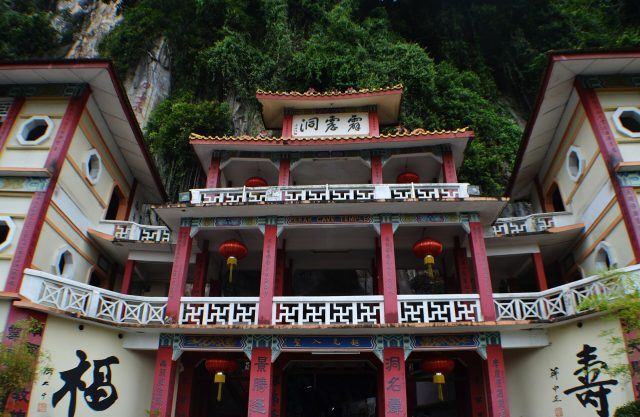
A visit here can be the starting point for exploring Perak. From Ipoh, it’s easy to reach other parts of the state, like the cave temples of Batu Gajah or the hot springs of Lata Kinjang. But even if you never leave the museum, it leaves an impression. It’s a place that makes you think about the ground beneath your feet, about how much of what we take for granted—cities, roads, even the devices in our pockets—is built on layers of history, both human and geological. In the end, the Geology Museum isn’t just about rocks. It’s about time, and how we fit into it.