
Ibagué
Colombia · 8 places
Photo: Ridiculopathy, CC0
Ibagué
Ibagué rarely appears on must-visit lists in Colombia. That’s what makes it special. The city doesn’t rush to impress with landmarks or festivals. Instead, it offers the quiet rhythm of everyday life, a glimpse beyond the usual tourist trail. Low-slung colonial houses line the streets, their pastel facades softened by the sun. The surrounding hills hold the city, while time moves at its own pace.
Why does music feel different here? Because it’s not just something you hear—it’s part of the air. Ibagué is Colombia’s musical heart. Guitars, accordions, and drums hum through the day, not as performances but as life itself. Even without the annual festival, the city’s soundtrack never fades. Bars and cafés host live sets, blending traditional rhythms with modern twists. Sometimes, you’ll find a jam session in a plaza, unplanned and alive.
The landscape changes outside the city. The foothills of the Andes rise nearby, crisscrossed with trails for hiking and cycling. Los Nevados National Park is a rewarding trip. Snow-capped volcanoes loom over high-altitude lakes and pastures. The journey is long, but the views—misty valleys, emerald slopes, condors—make it worth it. For something gentler, nearby coffee plantations welcome visitors. You walk through rows of bushes heavy with ripe cherries, seeing how Colombia’s famous beans begin.
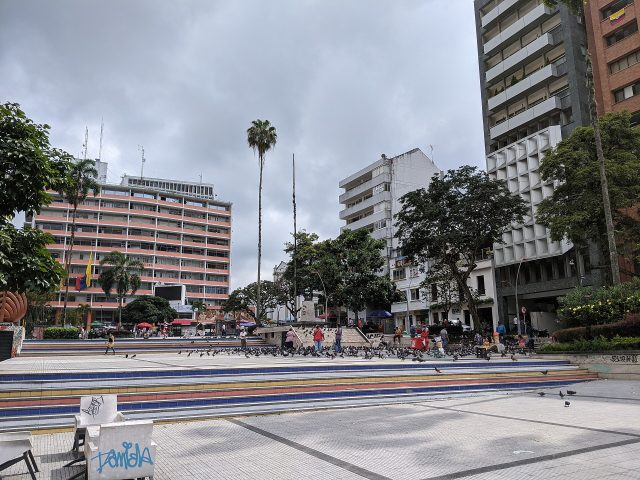
History is visible in Ibagué’s colonial core. Founded in the early 1500s, the city was once a vital stop on the trade route between Bogotá and the Caribbean coast. Today, its past is in the architecture: weathered churches, grand plazas, crumbling mansions. Bolívar Square, named after Colombia’s liberator, is the heart of the old town. Locals gather under trees, vendors sell handmade crafts, and the scent of arepas drifts from stalls. You sit, watch, and let life unfold.
The food is simple. *Lechona*—a whole pig stuffed with rice and spices, roasted until the skin crackles—is a local favorite. *Ajiaco*, a chicken and potato soup, warms cooler evenings. Markets overflow with tropical fruits, their flavors intense. Coffee, grown nearby, is best enjoyed slowly, between conversations.
Ibagué doesn’t need weeks of your time. A couple of days wandering its streets, listening to music, tasting food—it’s enough. You leave with something real, unpolished, warm. The kind of place you wonder about long after.
See & Do
7 places


Places on the map
Marker colour follows the categoryClimate and weather
Detailed weather: Ibagué- Average temperature
- 25 °C
- Precipitation per year
- 1768 mm
- Sunshine hours per day
- 5.1 h
Average air temperature
°C
25
25
25
24
25
25
26
27
26
24
24
24
Jan
Feb
Mar
Apr
May
Jun
Jul
Aug
Sep
Oct
Nov
Dec


