The Teatro Tolima in Ibagué is one of those places that feels suspended in time, a quiet guardian of the past century. Built in the early 1900s, it wasn’t just another building—it became a symbol of the region’s cultural life, a place where art and everyday existence intersected. Though its role has shifted over the decades, the theater still holds a certain presence in the city, drawing the attention of locals and visitors alike who pause to consider its story.
The architecture reflects the era’s blend of European influences and local traditions, a common theme in Colombia’s early 20th-century structures. The facade carries echoes of 19th-century European theaters, with decorative details that hint at grandeur, yet there’s something distinctly Colombian in its execution. Inside, high ceilings, ornate plasterwork, and balconies once filled with eager audiences remain, though time has left its mark. Some corners show wear, but this only adds to the theater’s character, giving it a sense of lived-in history rather than pristine preservation.
Ibagué in the early 1900s was a city on the rise, fueled by the coffee boom that transformed much of Colombia. The Teatro Tolima was part of that growth, a project meant to elevate the city’s cultural standing. Back then, it wasn’t just a venue for plays—it hosted concerts, lectures, and public gatherings, becoming a meeting point for people from all walks of life. Wealthy landowners, laborers, and everyone in between would gather here, making it one of the few places where art felt accessible to all.
Over the years, the theater’s significance waned. As new forms of entertainment emerged and mass media took hold, its role as a cultural hub diminished. By the mid-20th century, like many similar venues across Latin America, it entered a period of decline. Yet it never fully disappeared. Local events continued to be held here, and in recent years, there’s been talk of restoration, of bringing back some of its former glory. For now, though, it remains more of a historical landmark than an active performance space.
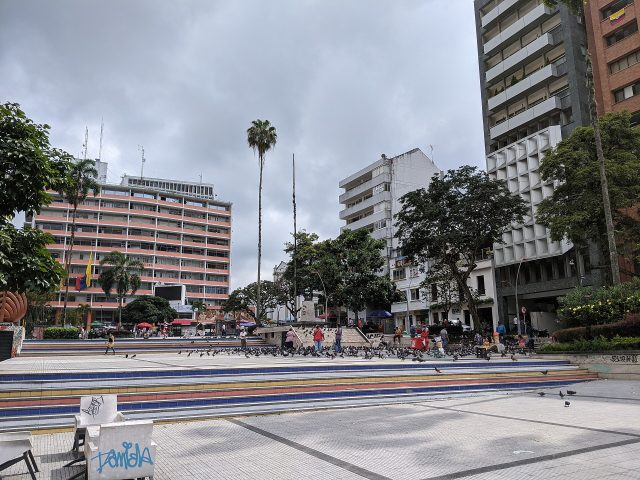
Visiting the Teatro Tolima today is a quiet experience. The building isn’t always open to the public, but even from the outside, it commands attention. It stands on one of Ibagué’s central streets, surrounded by other old structures that carry their own stories. The area around it is lively—street vendors set up stalls, musicians play on corners, and people go about their day. Yet when you stop to look at the theater’s facade, it’s clear this isn’t just another old building. It’s a piece of the city’s living history, a reminder of how culture once thrived here.
For those interested in Colombia’s cultural evolution, the theater offers a glimpse into the past. It speaks to the ambitions of the Tolima region in the early 1900s, the tastes of the time, and how attitudes toward art have shifted. In many ways, the building itself is a document of an era, though much of its story has been passed down through word of mouth rather than written records. Older residents of Ibagué might still remember when the theater was alive with activity, but for most, it’s a place that exists more in memory than in daily life.
Ibagué isn’t a city that often appears on tourist itineraries, and that’s part of its appeal. There are no crowds here, no performances staged for visitors—just the rhythm of local life unfolding at its own pace. The Teatro Tolima is a part of that rhythm, a silent witness to the changes the city has undergone. There’s always the possibility that one day it will be restored, that its halls will once again echo with music and applause. But even if that never happens, it will still stand as a marker of the past, a quiet testament to the idea that culture isn’t just something we preserve—it’s something that shapes us.