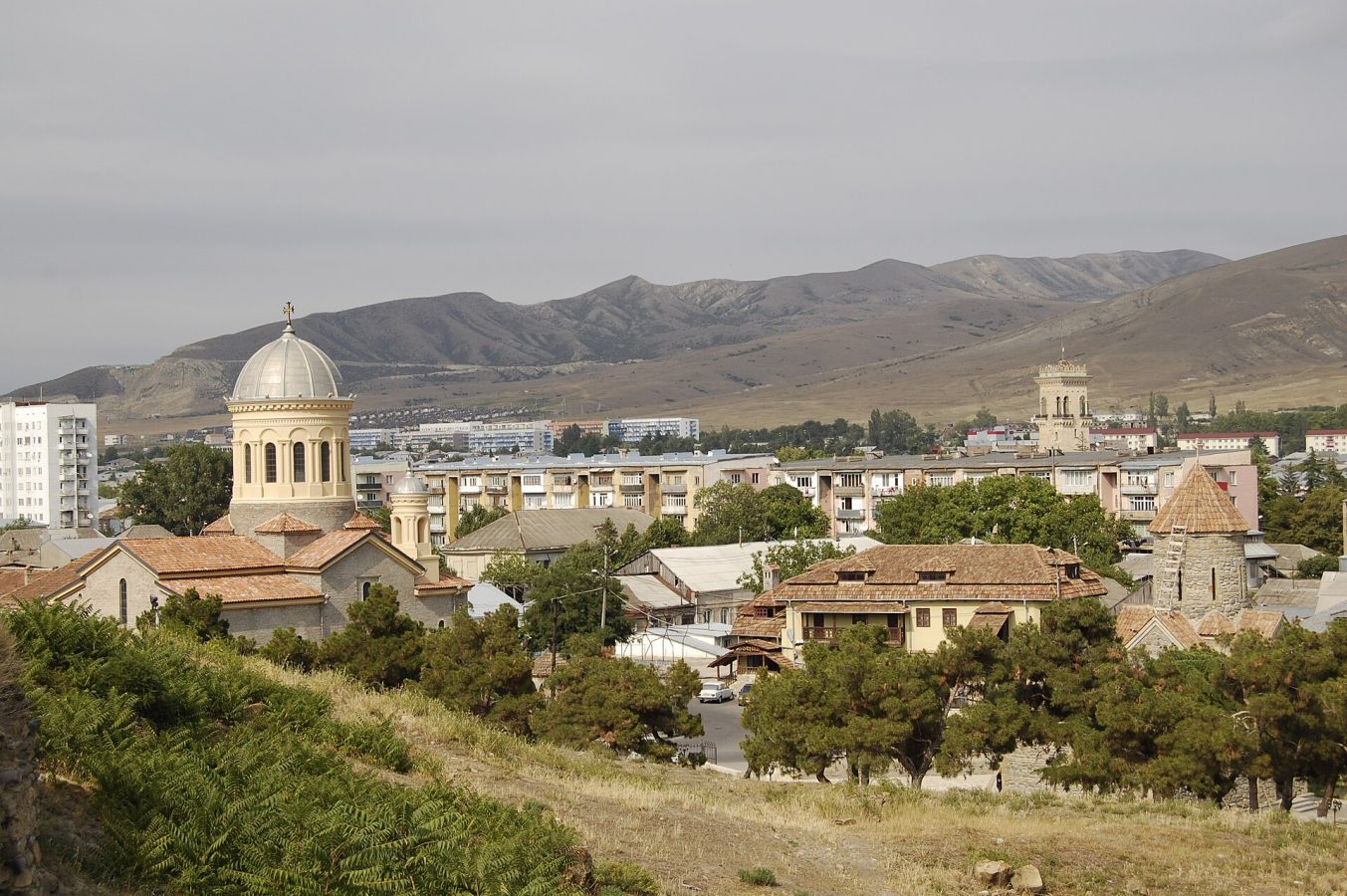
Mount Gori
Georgia · 7 places
Photo: Andrzej Wójtowicz, CC BY-SA 2.0
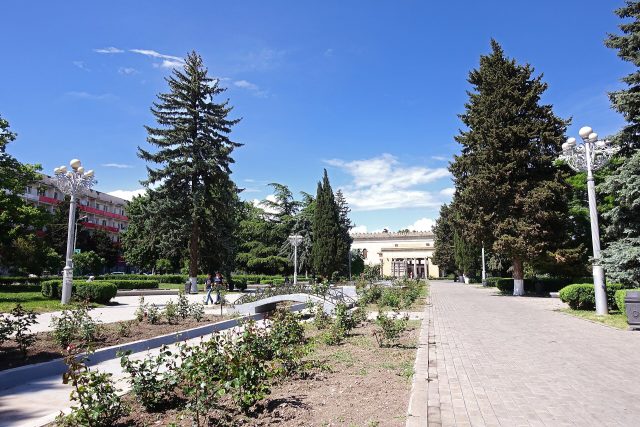
Gori is the kind of place you might drive through on your way from Tbilisi to western Georgia without giving it a second thought. It doesn’t clamor for attention with flashy signs or crowds of tourists. There are no grand medieval fortresses here, just the quiet rhythm of a provincial town. The city sits along the banks of the Mtkvari River, surrounded by gentle hills. Climb one, and you’ll see a valley dotted with patches of green, houses huddled close together, and the slow pulse of everyday life unfolding below.
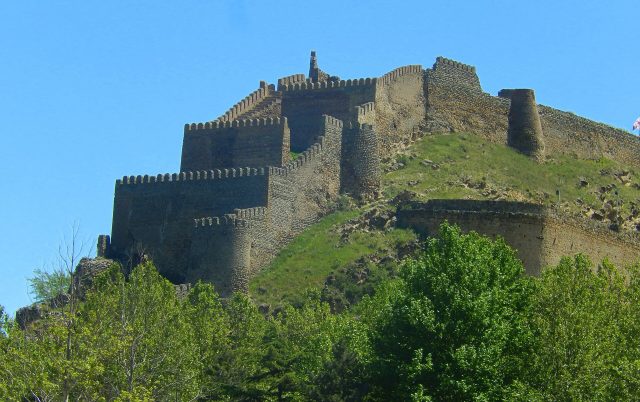
The history of Gori stretches back centuries. The first written records date to the 7th century, but people have lived here far longer. The town has always been a strategic crossroads, a place where trade routes connected Georgia to its neighbors. The fortress perched on a rocky hill has witnessed countless conflicts, its walls and towers standing as silent reminders of the days when Gori was a frontier stronghold. Even now, the ruins command attention from the moment you enter the city, inviting you to climb the steep path and take in the view.
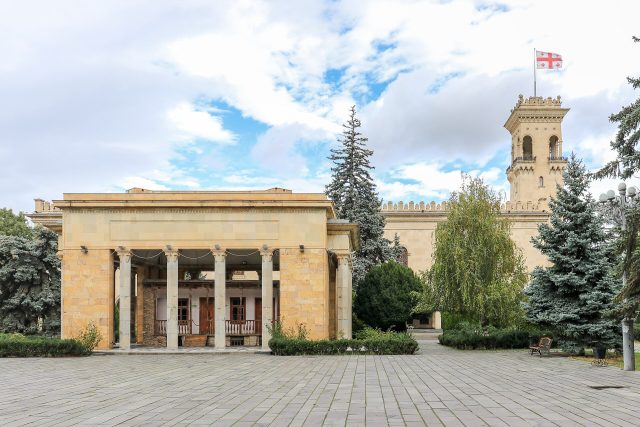
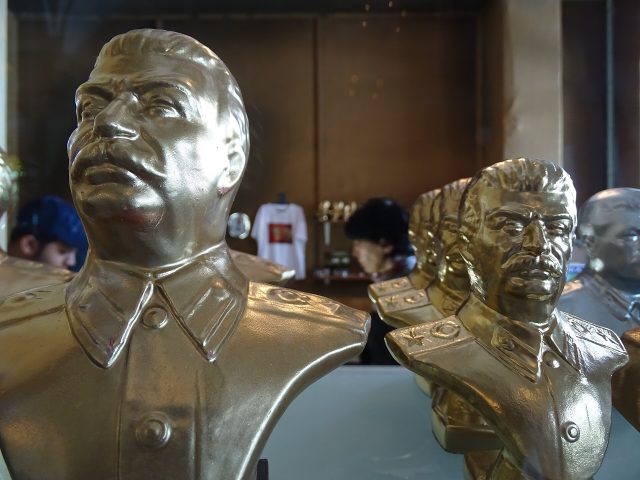
Gori’s most famous landmark is the Stalin Museum, though the city doesn’t lean into the association. There are no souvenir stalls hawking portraits of the Soviet leader on every corner. The museum is simply part of the town’s history. The house where Stalin was born sits unassumingly on a central street, its modest facade blending in with the surrounding buildings. Inside, the exhibits trace his life and the era he shaped, a period that still sparks debate. Nearby, his personal railway carriage—used for trips to Tehran and Yalta—sits preserved, an odd contrast to the quiet streets outside.
Beyond the museum, life moves at its own unhurried pace. The main street is lined with low-slung buildings, small cafes, and local shops. There’s no trace of the bustle you’d find in the capital. In the summer, elderly men gather in the square in front of the town hall to play backgammon. Evenings bring music and laughter spilling from the cafes. The surrounding countryside is dotted with vineyards, and if you step into a local cellar, you might taste wine made the old-fashioned way.
Gori isn’t small, but wander beyond the center, and you’ll find quiet streets where life unfolds without an audience. There are no tourist trails here, just the chance to see how ordinary Georgians live. A few old churches remain, like the 19th-century Church of St. George, with its simple yet graceful lines. A small chapel on the outskirts draws locals for prayer. These places aren’t marked on maps, but they’re the reason the city feels real.
Gori doesn’t try to be anything other than itself. It doesn’t chase tourist fame or bend to expectations. The people, the buildings, the air carrying the scent of herbs and river—it’s all genuine. You could spend a day here or linger longer; the city won’t rush you. Sometimes, the most memorable places aren’t the ones with the loudest names, but the ones that let you breathe.
See & Do
7 places
Places on the map
Marker colour follows the categoryClimate and weather
Detailed weather: Mount Gori- Average temperature
- 12 °C
- Precipitation per year
- 522 mm
Average air temperature
°C
1
3
7
12
16
21
23
24
19
12
7
2
Jan
Feb
Mar
Apr
May
Jun
Jul
Aug
Sep
Oct
Nov
Dec


