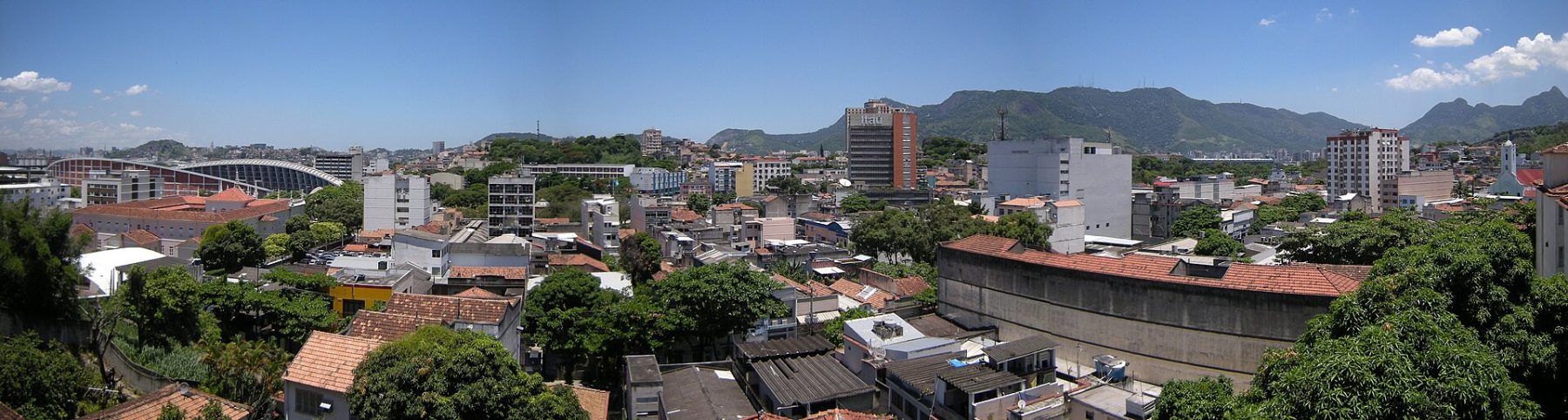
São Cristóvão
Brazil · 4 places
Photo: Wikimedia Commons, CC BY 2.0
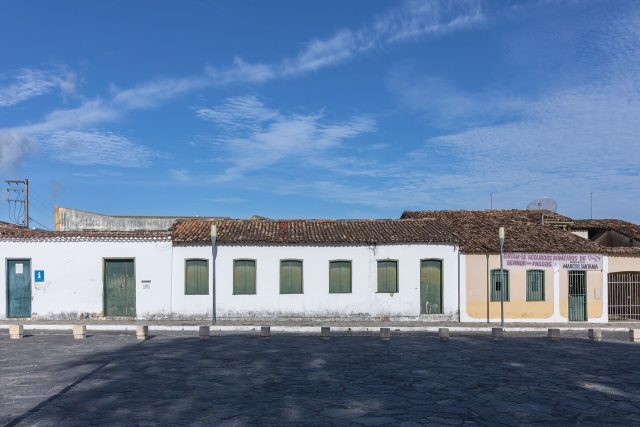
San Cristóvão is a place where time has paused, leaving behind the quiet charm of Brazil’s colonial past. Founded in the early 1500s, it was the first Portuguese settlement in what is now Sergipe state, and its historic center still carries that history. The streets, lined with cobblestones worn smooth by centuries of footsteps, wind past whitewashed churches with blue tiles and balconies framed by wrought-iron.
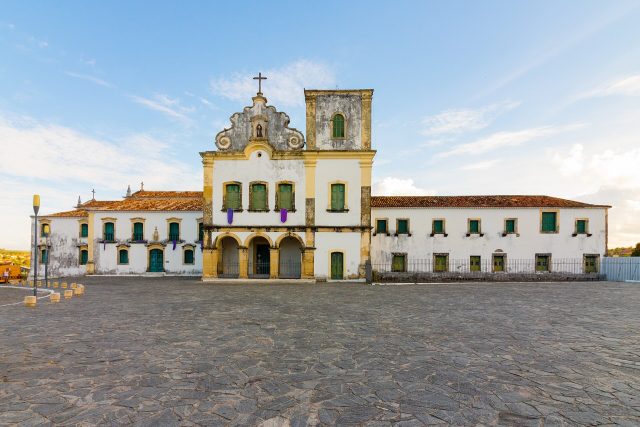
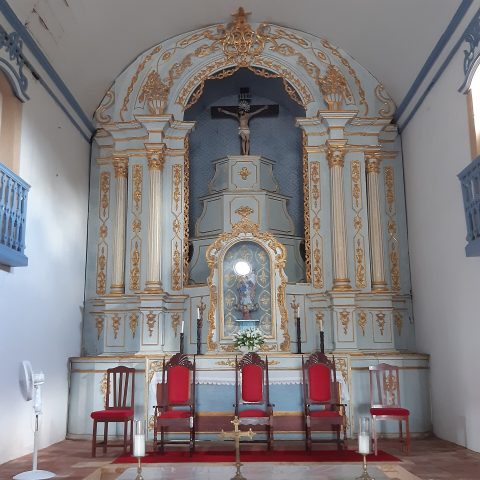
At the heart of San Cristóvão lies Praça São Francisco, a UNESCO World Heritage site. The plaza is a rectangle, bordered by a monastery, a church, a palace, and old mansions. The Church of São Francisco is the centerpiece, its interior a display of gilded altars, ceiling frescoes, and woodwork. Beside it, the monastery’s corridors lead to monks’ cells and a library filled with aging tomes. By evening, locals gather on benches, chat, or listen to street musicians. You might sit here for hours without noticing time.
The town is small enough to explore on foot in an afternoon. San Cristóvão invites wandering: ducking into shops selling handmade crafts, trying coconut-based sweets from a street vendor, or watching daily life unfold. Beyond the town, sugarcane fields stretch toward the horizon, while the Vaza-Barris River, once a trade route, now hosts picnics and fishing trips.
San Cristóvão has escaped mass tourism. There are no crowded beaches or neon-lit nightclubs. Instead, you’ll find a quiet town where history isn’t confined to plaques—it’s part of everyday life. The past lingers in the cobblestones, the weathered facades, the way light falls across the plaza at dusk. If you’ve grown tired of cities that never slow down, this corner of Sergipe offers something different: a place where time lingers.
See & Do
All of them
Places on the map
Marker colour follows the categoryClimate and weather
Detailed weather: São Cristóvão- Average temperature
- 24 °C
- Precipitation per year
- 856 mm
Average air temperature
°C
27
27
26
25
23
22
22
22
23
24
24
25
Jan
Feb
Mar
Apr
May
Jun
Jul
Aug
Sep
Oct
Nov
Dec


