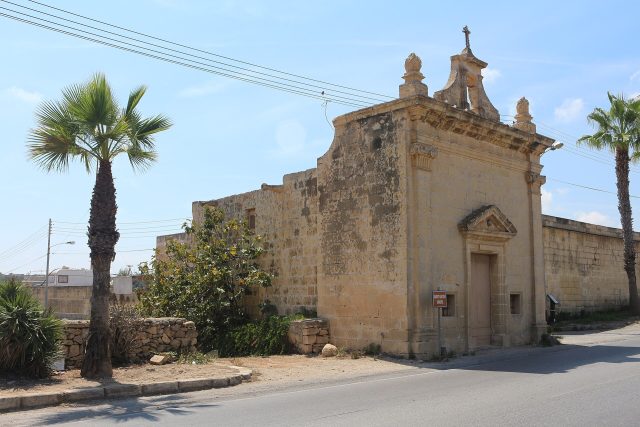
Figura Park is one of those quiet corners of Malta that most visitors overlook, yet it offers something increasingly rare in travel—a sense of everyday life untouched by tourism. Tucked away in the small town of Fgura, just a short distance from Valletta, the park feels like a hidden pocket of calm amid the island’s dense urban sprawl. There are no crowds here, no souvenir stalls or loud cafés, just shaded pathways, patches of green, and the faint sea breeze that drifts in even on the hottest days.
The park itself is relatively new by Maltese standards, a deliberate addition to a town that spent much of its history as a working-class suburb. Fgura grew around dockyards and factories, a place where public spaces were an afterthought until recent decades. When the park was created, it wasn’t meant to be grand or historic—just a place where locals could step away from the noise of the city. For visitors, it’s a chance to see Malta at its most unassuming, far from the polished tourist trails.
There’s nothing elaborate about the park’s design. No ornate fountains or towering sculptures, just well-kept lawns, winding paths, and benches arranged for quiet conversation or solitude. At its center, a small stage occasionally hosts local events—concerts, festivals, or children’s performances—when the park briefly comes alive with music and laughter. Even then, the atmosphere remains intimate, more like a neighborhood gathering than a spectacle.
What makes Figura Park special is its refusal to be anything more than it is. It’s not a botanical garden with exotic plants or a historic landmark with centuries of stories. It’s simply a green space where people can walk, read, or watch the world go by. The trees here are the same ones you’ll find across Malta—olive, fig, laurel—hardy and unpretentious, their shade a welcome relief in summer. Spring and autumn are the best times to visit, when the air is filled with the scent of blossoms and the sun feels gentle rather than oppressive.
For tourists expecting something grand, the park might seem too modest, especially compared to Valletta’s lavish gardens or the island’s ancient temples. But that’s precisely its charm. There’s no pressure to take photos, no need to rush or perform for an audience. You can just sit on a bench and watch life unfold at its own pace. Children kick balls across the grass, elderly couples stroll along the paths, and groups of teenagers gather in quiet corners—ordinary scenes, but with the unmistakable rhythm of Malta.
Fgura isn’t a tourist hub, and the park reflects that. The town has kept its working-class roots, and the area around the park feels lived-in rather than curated. There are no upscale cafés or boutique shops, just small local eateries where you can grab a coffee or a quick bite the way Maltese do. Wander the surrounding streets, and you’ll find old workshops still repairing boats or crafting furniture, or tiny churches that don’t make it into guidebooks but remain central to the community.
Time moves differently in Figura Park. There’s no agenda here, no must-see attractions—just the quiet pleasure of slowing down. In summer, the park empties during the midday heat, but mornings and evenings bring it back to life. Winter is quieter, though Malta’s mild climate means even the cooler months offer sunny spots to sit and unwind.
What lingers after a visit isn’t the park itself, but the feeling of having glimpsed something real. There’s nothing extraordinary about it, yet that’s exactly why it stays with you. It’s not a stage set for tourists, but a place where life happens, unscripted and unhurried. Maybe that’s why some visitors return—not for new experiences, but for the rare sense of peace that’s so hard to find elsewhere.