
Bogor
Indonesia · 8 places
Photo: Yogwi21, CC BY-SA 3.0
Bogor feels like a place where time slows down, yet life moves at its own steady pace. Just an hour’s drive from Jakarta, it sits nestled in the highlands of West Java, a world apart from the capital’s relentless energy. The air here is cooler, the streets quieter, and the rain—almost a daily visitor—only adds to the city’s lush, green charm. Locals call it the "City of Rain," and while the showers might catch you off guard, they never last long enough to dampen the easygoing rhythm of the place.
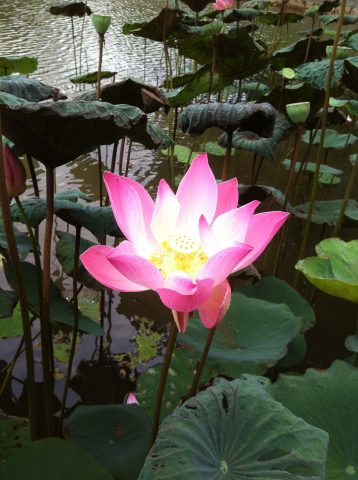
At the heart of Bogor lies its most famous landmark, the Botanical Gardens, a sprawling sanctuary founded in the early 19th century. More than just a park, it’s a living museum of Southeast Asia’s plant life, where towering palms stand beside delicate orchids and giant water lilies float in tranquil ponds. Scientists work in quiet corners, students wander the paths with notebooks in hand, and families picnic under the shade of ancient trees. Nearby, the presidential palace, with its moat and ceremonial guards, offers a glimpse into the city’s colonial past, a quiet reminder of the layers of history woven into Bogor’s streets.
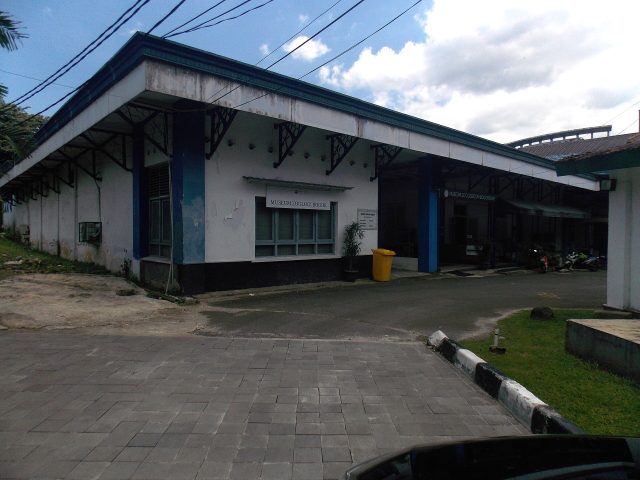
The city itself is a mix of old and new, where Dutch-era buildings line narrow, cobblestone lanes. These structures, once homes and offices for colonial administrators, now house small cafés, bookshops, and stalls selling local treats—crispy fried bananas, spiced ginger tea, and steaming bowls of *soto*, a fragrant Javanese soup. On weekends, the central square comes alive with food stalls and artisans selling handmade crafts, while in the evenings, the sound of *gamelan* music drifts through the air, blending with the patter of rain on rooftops.
Beyond the city limits, the landscape unfolds into rolling hills and emerald tea plantations. One of the most famous, Puncak, is a short trip away, where rows of tea bushes stretch as far as the eye can see. Visitors can wander through the fields, learning how the leaves are harvested and processed, before sitting down to a cup of freshly brewed *kampung* tea, its light, floral notes a perfect match for the cool mountain air. The surrounding area is dotted with hidden gems—waterfalls tucked into dense forests, ancient caves, and temples half-swallowed by jungle—but even within the city, there’s always something to discover.
What makes Bogor special is its unhurried pace. There are no crowds, no tourist traps, just the quiet hum of daily life. Locals go about their routines with a warmth that’s hard to find in bigger cities, inviting strangers to share a meal or a conversation. It’s a place where you can wander without a plan, stopping at a roadside stall for a bowl of *bakso* or lingering in a café with a book and a cup of strong Javanese coffee. The rain might come and go, but the city’s calm never wavers, offering a rare kind of peace in a country known for its chaos. For anyone looking to step off the beaten path without sacrificing comfort, Bogor feels like coming home.
See & Do
All of them
Eat & Drink
All of themPlaces on the map
Marker colour follows the categoryClimate and weather
Detailed weather: Bogor- Average temperature
- 22 °C
- Precipitation per year
- 3412 mm
- Sunshine hours per day
- 3.6 h
Average air temperature
°C
21
21
22
22
23
22
22
22
22
22
22
22
Jan
Feb
Mar
Apr
May
Jun
Jul
Aug
Sep
Oct
Nov
Dec


