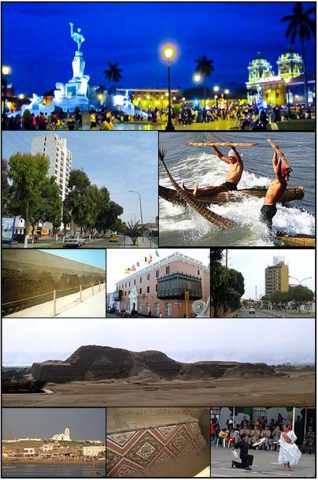
Bethlehem (Beit Sahour)
Palestine · 8 places
Photo: Bukvoed, CC BY 4.0
Beit Sahour sits beyond Bethlehem’s shadow, close enough to share the hills but far enough to keep its own pace. The town moves to the rhythm of daily life, not tourism. Its quiet streets carry echoes of an ancient story—one that many Christians hold dear. Tradition says this is where shepherds first heard the news of Christ’s birth.
The streets wind between low stone houses. The Greek Catholic Church of the Shepherds stands where, according to legend, angels once appeared. From the outside, it blends into the landscape. Inside, frescoes tell the story in soft colors, and a small cave nearby is said to have sheltered the shepherds that night. Locals point visitors toward it, as if sharing something personal. There’s no jostling for space—just the quiet weight of history and the occasional murmur of prayer.
Mornings bring the scent of fresh herbs and spices from the market stalls.
By evening, neighbors gather over coffee, voices rising and falling in conversation. The town thrives on craftsmanship—woodworkers carve olive wood, potters shape clay by hand, and embroiderers stitch patterns passed down through generations. You can watch, ask questions, see how things are made.
Visitors come for more than pilgrimage. Those who stay find a place where life unfolds without pretense. Family-run guesthouses and small cafés serve dishes like musakhan—chicken roasted with sumac and onions on flatbread—or crisp falafel eaten on the go. If you’re lucky, you might stumble upon a wedding, where music spills into the streets and dancing lasts until dawn.
Beyond the town, the hills roll under groves of olive trees. Walking here feels like stepping into a slower world. Locals often invite strangers into their gardens for tea, offering a seat under a fig tree. Beit Sahour doesn’t try to impress. It doesn’t need to. The town simply is—unpolished, unhurried, and real. For those willing to look, it offers a glimpse of Palestine as it’s lived.
See & Do
All of them
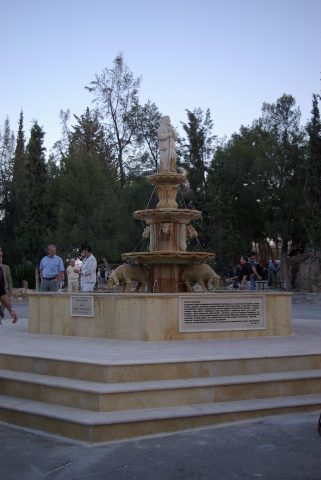
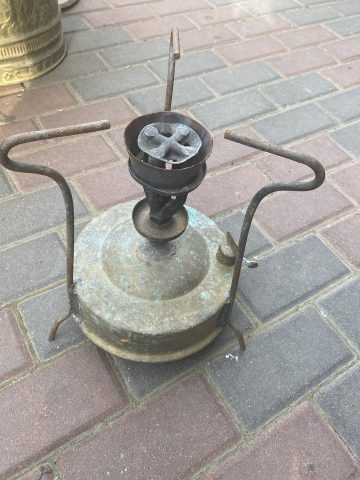
Places on the map
Marker colour follows the categoryClimate and weather
Detailed weather: Bethlehem (Beit Sahour)- Average temperature
- 17 °C
- Precipitation per year
- 0 mm
Average air temperature
°C
8
9
11
16
20
22
24
25
23
21
15
11
Jan
Feb
Mar
Apr
May
Jun
Jul
Aug
Sep
Oct
Nov
Dec