
Bakhchisaray
Russia · 27 places
Photo: Aleksander Kaasik, CC BY-SA 4.0
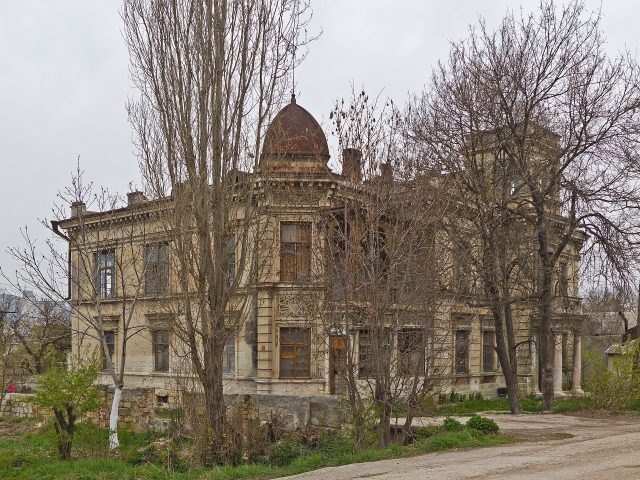
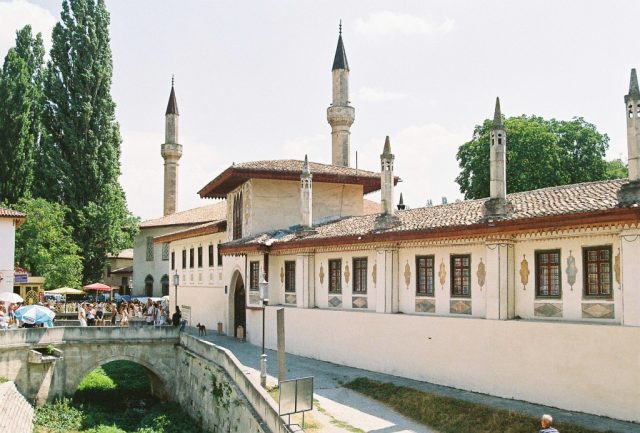
Nestled in a valley between the gentle slopes of the Crimean mountains, Bakhchisaray feels like a place where time has settled into a slower rhythm. The town unfolds along narrow, winding streets lined with white-stone houses, their tiled roofs crowned by the slender minarets of old mosques. Even in the busier months, when visitors wander through its alleys, the pace here remains unhurried, as if the centuries of history layered into its walls have softened the rush of the outside world. The air carries the scent of herbs and woodsmoke, a quiet reminder of the many hands that have shaped this place—Genoese traders, Crimean Tatars, Russian settlers—each leaving behind traces in the architecture, the food, and the stories still told today.
At the heart of Bakhchisaray stands the Khan’s Palace, the only surviving example of Crimean Tatar palace architecture in the world. Its white walls, carved windows, and secluded courtyards rise along the banks of the small Churuk-Su River, evoking the grandeur of a bygone era. The famous Fountain of Tears, immortalized by Pushkin, murmurs in one of the palace courtyards, while inside, halls filled with antique weapons, woven carpets, and household artifacts offer glimpses into the lives of the khans and their courts. Beyond the palace gates, the old town sprawls in a maze of narrow lanes, where descendants of the original builders still live in houses that have stood for generations.
Bakhchisaray is more than just an open-air museum; it’s a place where tradition still thrives. In the summer, festivals of Crimean Tatar music and dance fill the streets, and small cafés serve chebureki fried to recipes passed down through the years. Locals take pride in sharing their heritage, whether it’s demonstrating the art of weaving traditional jewelry or brewing strong, spiced coffee the old way. The surrounding hills hold echoes of an even older past—ancient cave cities where medieval Crimeans once sought refuge, their stone dwellings clinging to the cliffs like silent witnesses to history.
Yet the town isn’t frozen in time. Modern guesthouses and restaurants blend seamlessly with the old, offering dishes that reflect the diverse cultures of Crimea. Even in the newest establishments, there’s a sense of continuity—carved wooden panels, intricate tableware, the same attention to detail that has defined this place for centuries. Bakhchisaray doesn’t try to be trendy or polished; it simply is, with a quiet charm that lingers long after you’ve left. Those who visit once often return, drawn back by the promise of another stroll through its labyrinthine streets, another moment listening to the murmur of the fountain, another chance to feel the past and present intertwine.
See & Do
27 places


Places on the map
Marker colour follows the categoryClimate and weather
Detailed weather: Bakhchisaray- Average temperature
- 13 °C
- Precipitation per year
- 526 mm
- Sunshine hours per day
- 7.4 h
Average air temperature
°C
2
3
6
11
16
21
24
24
19
13
8
4
Jan
Feb
Mar
Apr
May
Jun
Jul
Aug
Sep
Oct
Nov
Dec


