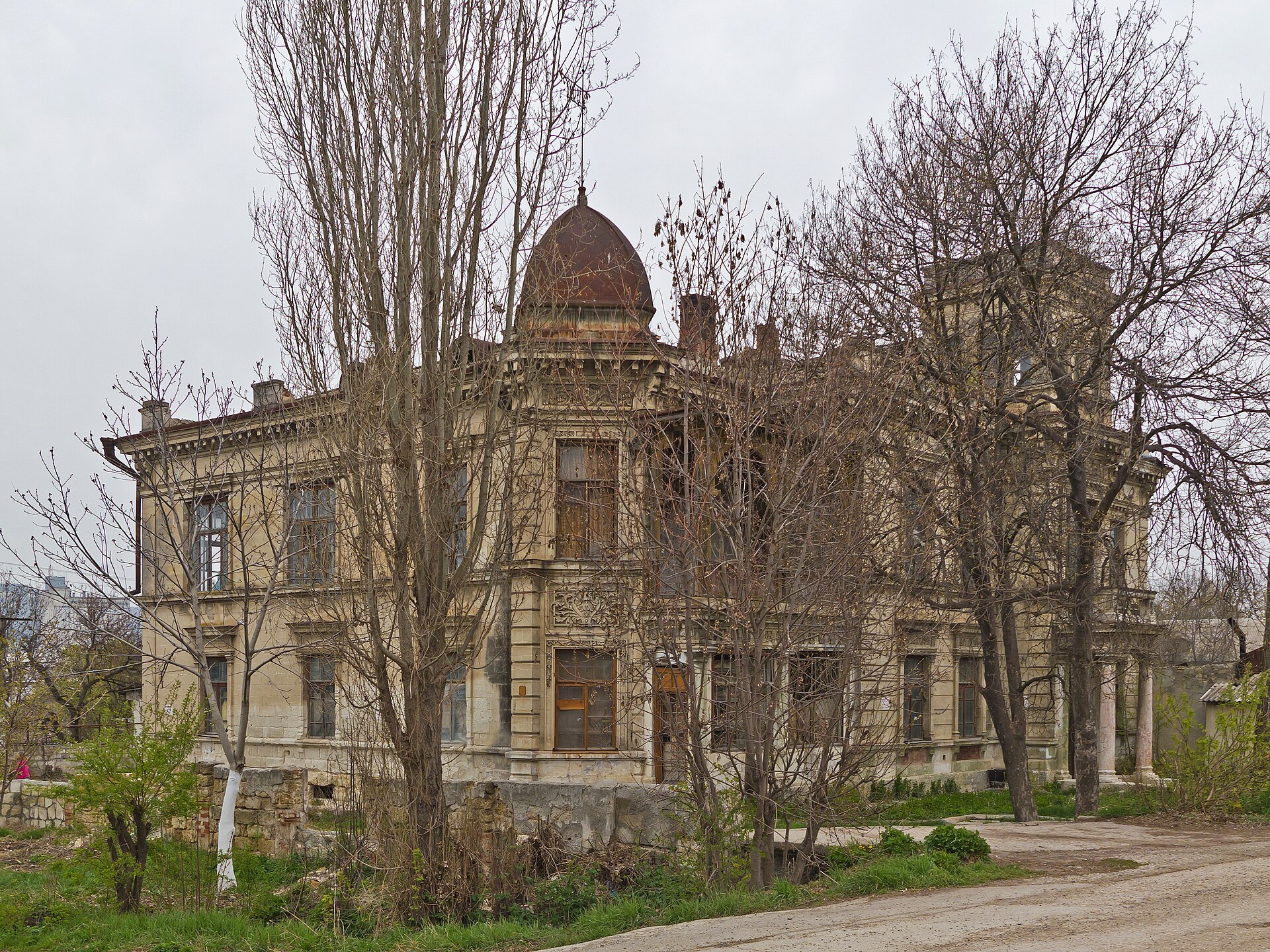
The Pacaci House in Bakhchisaray is one of those rare places that feels untouched by time, as if the past has gently settled into its walls. Built in the late 18th century, it stands as a quiet survivor of an era when the Crimean Peninsula was a crossroads of cultures, empires, and histories. Unlike the grand monuments that draw crowds, this house offers something more subtle—a glimpse into the everyday lives of the people who once called Bakhchisaray home.
The architecture is unmistakably Crimean Tatar, a style shaped by both necessity and tradition. The two-story structure is modest in size, with a flat roof and wooden balconies adorned with delicate carvings. The stone facade, weathered by centuries, has taken on a warm, golden hue, blending seamlessly with the narrow streets of the old town. The windows are framed by simple moldings, and the front door, though unassuming, seems to invite passersby to step closer, as if whispering stories of the generations that have passed through it.
Inside, the house would have followed the customs of its time. The ground floor likely served as a space for household tasks and receiving guests, while the upper level housed the family’s private quarters. Wooden floors, woven rugs, and embroidered textiles would have filled the rooms, creating an atmosphere of warmth and practicality. Furniture was probably sparse but well-made, designed for comfort rather than display. The textiles, rich in color and pattern, were more than decoration—they were a language of their own, reflecting the tastes and traditions of the people who lived here.
Bakhchisaray was once the heart of the Crimean Khanate, a bustling capital where merchants, artisans, and travelers from across the region converged. The Pacaci House, like many others in the city, would have belonged to a family of some standing—perhaps traders or craftsmen who played their part in the city’s vibrant life. In those days, a home was more than just a place to live; it was a hub of social and economic activity, where deals were struck, guests were entertained, and family legacies were preserved.
When Crimea became part of the Russian Empire in the late 18th century, Bakhchisaray’s role shifted. No longer a political center, the city retained its cultural significance, though its fortunes waned. The Pacaci House endured these changes, passing through different hands over the years. Yet its structure remained largely intact, a silent testament to the resilience of the people who built it and the traditions they upheld.
Today, the Pacaci House is not a museum, nor is it a major tourist attraction. There are no signs pointing visitors toward it, no guided tours recounting its history. It exists quietly, almost unnoticed, on a side street where the pace of life feels slower. Those who stumble upon it might pause for a moment, studying the worn stone and the intricate woodwork, imagining the lives that unfolded within its walls. The absence of crowds and commercialization makes it all the more compelling—here, history is not curated or packaged for visitors, but simply allowed to exist as it is.
The atmosphere around the house is one of stillness. The streets nearby are narrow and uneven, paved with stones that have been smoothed by time. There are no modern distractions, just the occasional sound of a door creaking or voices drifting from a nearby courtyard. It’s easy to forget that the rest of the world is moving quickly; here, the past feels closer, as if the city itself is holding its breath.
For those who seek a deeper connection to Crimea’s history, places like the Pacaci House offer something rare: an unfiltered encounter with the past. There are no plaques explaining its significance, no guides narrating its story. Instead, there are only the walls, the wood, the stone—each bearing the marks of the people who lived, worked, and loved here. It’s a reminder that history isn’t just about grand events or famous names; it’s also about the quiet, ordinary moments that shape a place and its people.
Bakhchisaray is a city where the past is never far away. The Khan’s Palace, the mosques, the old caravanserais—these are the landmarks that draw visitors from around the world. But it’s the smaller, less celebrated places, like the Pacaci House, that often tell the most human stories. They remind us that history is not just a series of dates and battles, but a tapestry woven from countless individual lives. Sometimes, all it takes is a single house, standing quietly on a side street, to make that connection feel real.