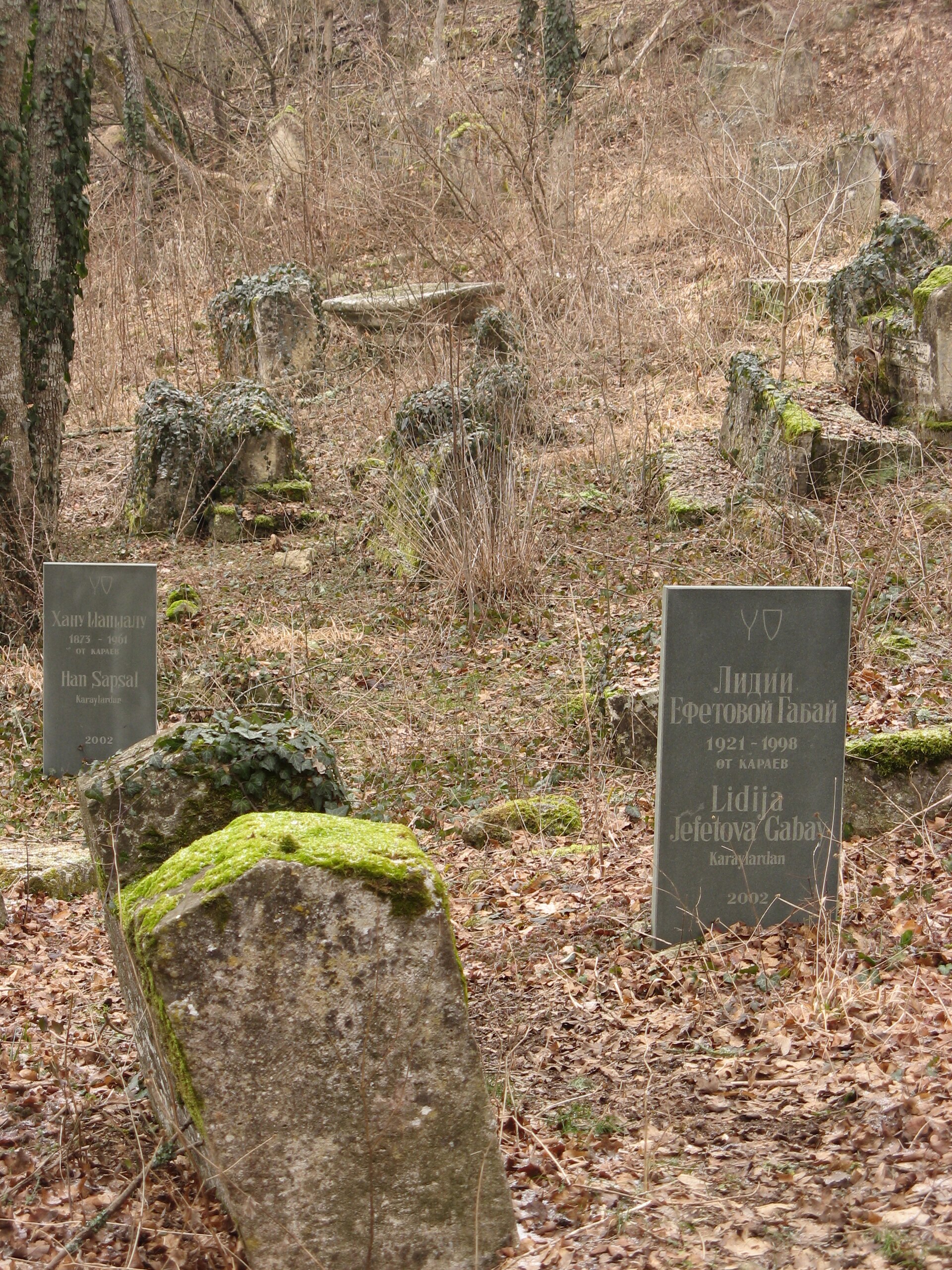
Josaphat Valley sits near Bakhchisaray’s Khan’s Palace, where the past clings to the stones and the quiet rustle of leaves. It doesn’t shout for attention like the city’s busier spots. Here, the land speaks for itself—cliffs draped in shrubs, ancient trees with roots twisting into the earth, and trails leading to graves most have forgotten.
The valley’s name comes from an older world. In biblical stories, the Valley of Josaphat was where the final judgment was said to happen, where earth met the divine. Crimea has several gorges with this name, but Bakhchisaray’s stands out. For centuries, people have seen it as a place where time slows. That might be why so many graves—Karait, Jewish, and others—mark the slopes, their stones smoothed by wind and rain.
This wasn’t just a burial ground. When Bakhchisaray was the heart of the Crimean Khanate, the valley lay at the city’s edge. Karaites, Krymchaks, Muslims—all were buried here. Some tombstones still stand, their inscriptions faint. Others have vanished into the earth. The Karaite kenasas, small stone buildings with Hebrew letters, are the clearest signs of the communities that once lived here.
There are no grand monuments here. What remains are fragments—crumbling walls that might have been shrines or watchposts, old fountains that once watered gardens. Nature has taken over, but that only makes the place feel older. In spring, wildflowers and herbs cover the slopes, their scents mixing with wormwood and thyme. Even in decay, the valley feels alive, as if the past is still there beneath the surface.
Walking here isn’t like visiting a museum. There are no marked paths or signs. You might wander for hours, running your fingers over a tombstone, trying to read the worn letters, or sitting under a tree, listening to the silence. On a hot day, the shade is a relief. In the evening, the light turns golden, casting long shadows over the stones. Time slips away easily here, the modern world forgotten beyond the valley’s edges.
For many, the valley is a place of memory. The names on the graves are mostly gone, the lives they represent lost. But the valley itself holds those stories. During the Soviet era, it was neglected, many tombs vandalized or left to crumble. In recent years, volunteers and religious groups have started restoring what they can, clearing overgrowth and repairing markers. The work is slow, but it’s a way to honor the past without turning it into a spectacle.
What makes the valley special isn’t just its history. It’s the way it makes you feel. There are no guides here, no speeches about dates and battles. There’s just space to think, to wonder, to let the weight of centuries settle. Some visitors come looking for answers, tracing the outlines of old graves. Others come for the quiet, for the light filtering through the trees or the sound of a birdcall. Some just sit, watching the shadows stretch, realizing how small we are against time.
When you leave, you look back. This isn’t a place you visit once. It stays with you, like a half-remembered dream. Maybe it’s the silence, or the way the stones seem to hold stories just out of reach. Or maybe it’s the understanding that some places aren’t meant to be figured out in an afternoon—that their magic is in the questions they leave unanswered. Josaphat Valley doesn’t give up its secrets easily, and that’s why it’s worth returning to.