Arles
France · 7 places
Photo: Steffen Heilfort, CC BY-SA 3.0
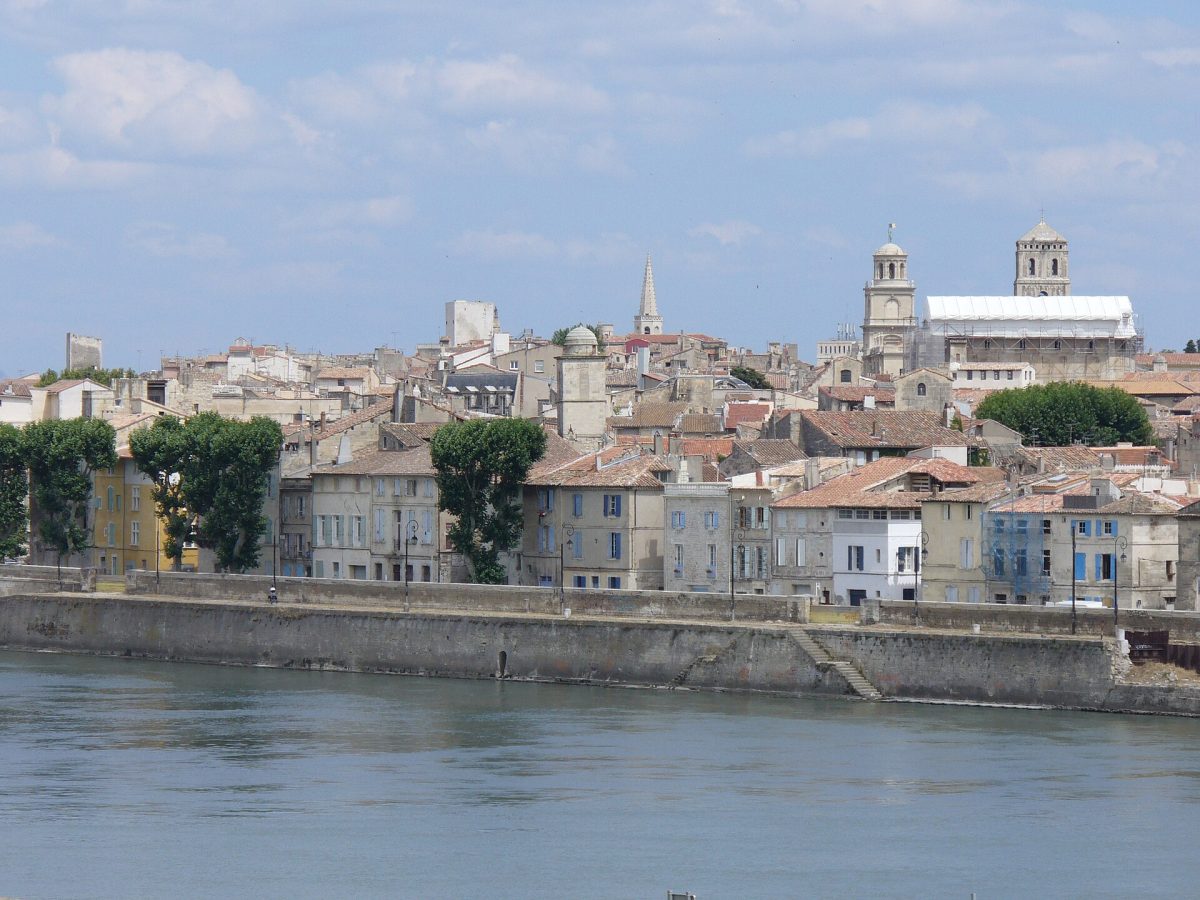
Arles moves at its own pace, as if time itself has learned to linger here. Tucked into the heart of Provence, where the Rhône River begins to sense the nearness of the Mediterranean, the city feels suspended between past and present. The light is different here—softer in the morning, almost liquid by afternoon—painting the ancient stone walls and terracotta rooftops in shades of gold. The air carries the scent of wild herbs from the surrounding hills, mingling with the salt of the Camargue and the faint tang of olive oil from nearby groves. There’s no need for grand gestures; Arles doesn’t try to impress. It simply exists, and that’s enough.
The city is best known as the place where Van Gogh found his most prolific period. In just fifteen months between 1888 and 1889, he produced over three hundred paintings and drawings, captivated by the intensity of the southern light and the stark beauty of the landscape. Today, you can follow in his footsteps along the artist’s trail—past the site of the Yellow House where he once rented a studio, through the narrow streets that inspired *The Night Café*, and down to the Rhône’s edge, where the reflections in the water still shimmer as they did in his canvases. But Arles isn’t a museum. It’s a living city, where the past and present coexist without fuss. The old quarter’s uneven cobblestones lead to tiny shops selling local olive oil, hand-painted ceramics, and bars of Marseille soap. In the shade of plane trees, elderly men sip espresso at café tables, while in the evenings, the riverfront fills with the sound of guitars and laughter.
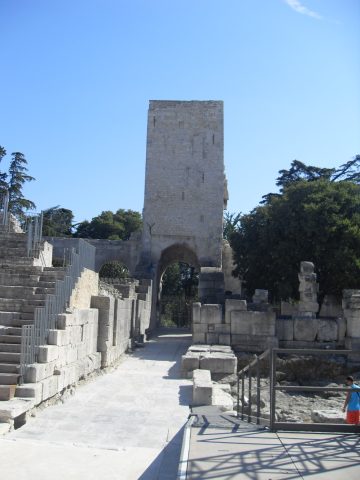
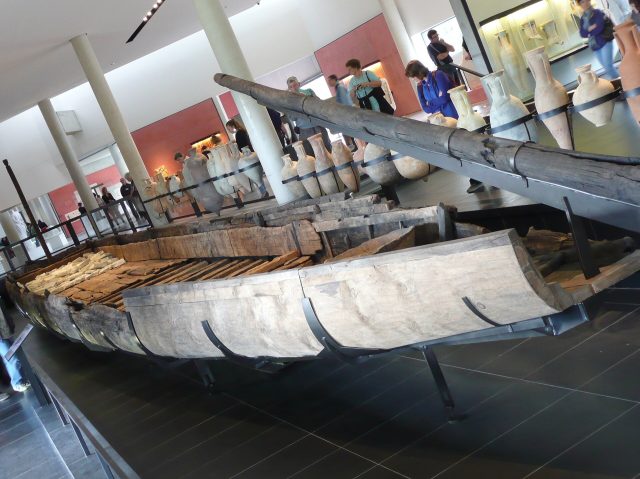
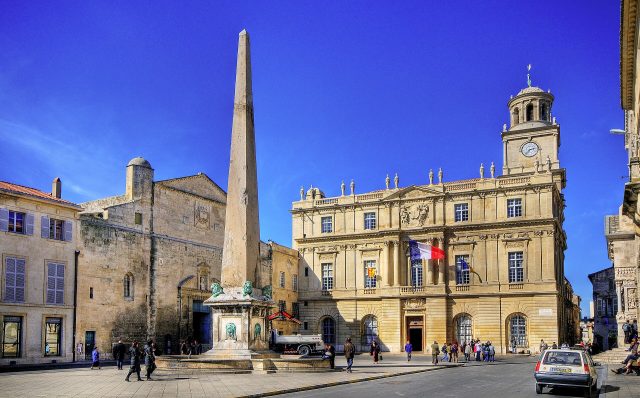
Arles also holds one of France’s most remarkable Roman legacies. The ancient amphitheater, built in the first century, still serves its original purpose—hosting bullfights, concerts, and open-air opera performances. Standing in its stone tiers, it’s easy to imagine the roar of twenty thousand spectators echoing through the arena. Nearby, the Roman theatre’s two towering columns, nicknamed "the two widows," stand as silent sentinels to a time when the city was a thriving outpost of empire. The Museum of Antiquity houses a collection of mosaics, sarcophagi, and statues that offer a glimpse into daily life two millennia ago. Yet these ruins aren’t relics of a forgotten past; they’re part of the city’s rhythm, as much a part of Arles as the weekly markets or the evening promenade.
The city has a way of reinventing itself with the seasons. In summer, it becomes a capital of photography, drawing artists and enthusiasts from around the world for festivals and open-air exhibitions that turn streets into galleries. Autumn brings harvest fairs, where farmers sell just-picked vegetables, artisanal cheeses, and wines from the nearby vineyards of Châteauneuf-du-Pape. Winter softens the city’s edges—Christmas lights twinkle in the squares, and cafés serve steaming cups of spiced hot chocolate. Even the rain feels different here, sharpening the colors of the buildings and leaving the air crisp and clean.
What sets Arles apart is its quiet confidence. There’s no Parisian hustle, no Riviera glamour, no Marseille chaos. Instead, it offers something rarer: a place where history and modernity feel like old friends. You could spend a day wandering the Roman ruins and lingering in a café, or a week exploring the salt flats of the Camargue, where flamingos wade in shallow waters, or the vineyards and abbeys tucked into the foothills of the Alps. But Arles isn’t just a destination—it’s a feeling. Long after you’ve left, the memory of its light, its scents, and its unhurried pace stays with you, as if the city itself has left a quiet mark on your soul.
See & Do
7 places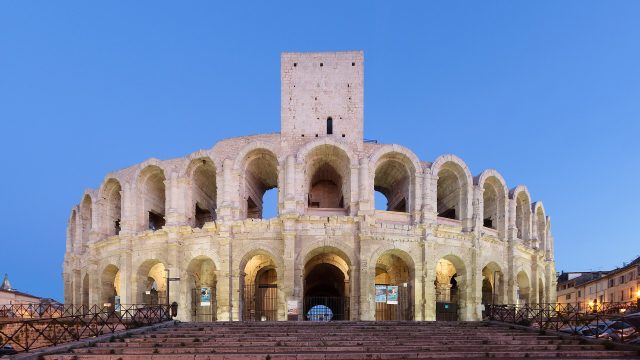
Places on the map
Marker colour follows the categoryClimate and weather
Detailed weather: Arles- Average temperature
- 16 °C
- Precipitation per year
- 751 mm
Average air temperature
°C
7
8
11
14
18
22
25
25
21
16
11
8
Jan
Feb
Mar
Apr
May
Jun
Jul
Aug
Sep
Oct
Nov
Dec