The ancient theatre of Arles is one of those rare places where time seems to have paused, leaving behind little more than stone and silence. Built in the late first century BCE, it was part of Julius Caesar’s ambitious plan to transform Arles into a key Roman city in southern Gaul. Perched on a hill overlooking the Rhône, the theatre was once a grand structure, though today only fragments remain. Yet even these ruins hint at its former glory. In its prime, it could hold up to ten thousand spectators who gathered to watch tragedies, comedies, or listen to orators. More than just a venue for entertainment, the theatre was a civic space where citizens came together to discuss public affairs, celebrate festivals, and connect with Roman culture.
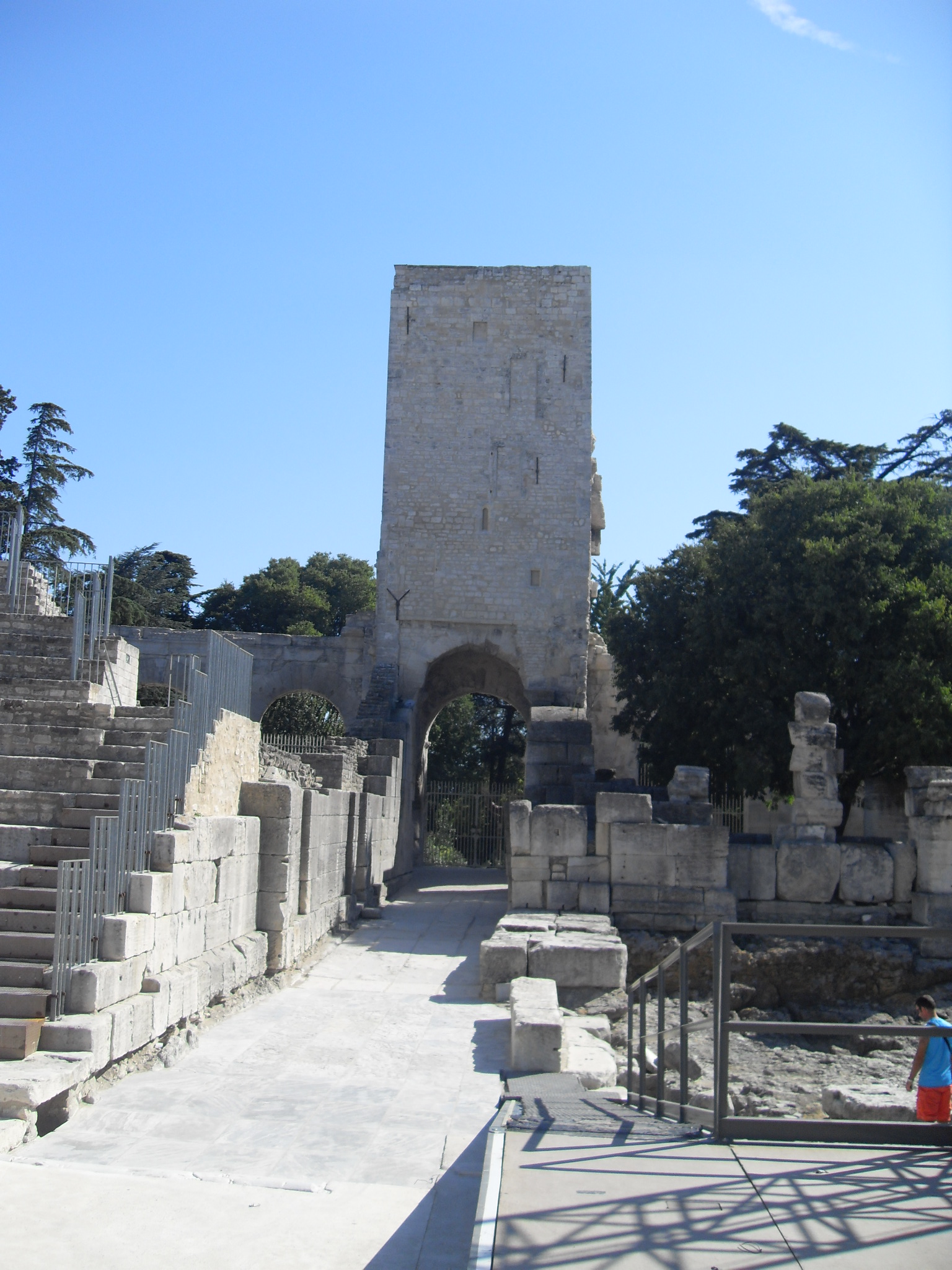
What survives today is a semicircular amphitheatre carved into the hillside. The lower tiers of stone seating remain, along with part of the stage and two towering columns that once supported the backdrop. These columns, nicknamed the "Two Widows," have become a symbol of Arles, often appearing in photographs and postcards. The surrounding area is dotted with the remnants of other ancient structures, and from the upper rows, you can see how the city transitions from Roman ruins to medieval streets and modern buildings. It’s easy to imagine the scene two thousand years ago—crowds filling the seats, actors in masks stepping onto the stage, the sound of flutes and lyres drifting through the air.
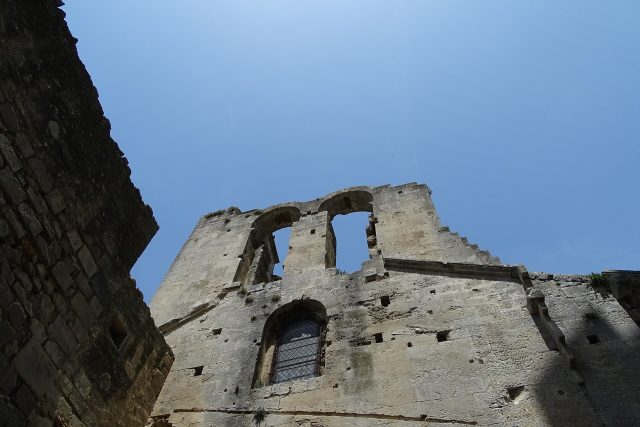
Beyond its cultural role, the theatre was also a religious site. In the early centuries CE, festivals honoring Roman gods were held here. But as Christianity spread, its original purpose faded. By the fifth century, the theatre fell into disuse, its stones repurposed for churches and homes. Many of its elements were incorporated into later buildings, and it wasn’t until the 19th century, when interest in antiquity revived, that excavations and restorations began. Today, the theatre is part of Arles’ UNESCO-listed archaeological site, though it lacks the fame of the Colosseum or the theatre in Orange. Still, its atmosphere is just as moving.
The best time to visit is in the early morning or late afternoon, when the sun is gentler and shadows stretch long across the stones. At these hours, the site is quiet, with few visitors, allowing you to wander the rows, touch the rough surface of ancient blocks, and imagine the voices of actors echoing under the open sky. In summer, the theatre occasionally hosts concerts or performances, briefly reclaiming its original purpose. The sound of a guitar or violin carries through the amphitheatre, and for a moment, it feels as though time has turned back.
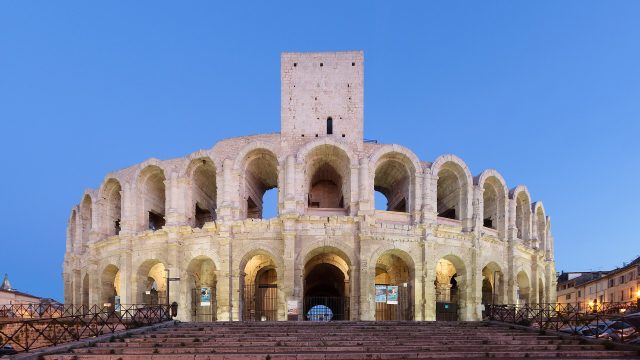
This isn’t just an architectural monument—it’s a place where history feels tangible. Every stone holds the memory of people who once sat on these same benches, laughing, clapping, or lost in thought. The city around it is steeped in the past too: nearby are the arena where gladiators fought and the Roman baths, while just beyond lies the medieval Saint Trophime Cathedral with its famous portal. Yet the theatre, with its modest remains, leaves the deepest impression. Perhaps because it doesn’t try to impress with scale, but simply exists—a quiet, living witness to eras long gone.
If you find yourself in Arles, don’t rush straight to the more famous sights. Take a moment at the theatre. Sit on one of the stone benches and look out over the city. Below, the Rhône flows past, fields and vineyards stretch across the opposite bank, and all around are walls that have seen Roman legions, medieval merchants, and artists drawn to Provence’s light. Vincent van Gogh, who lived in Arles in the late 19th century, often walked here and sketched the theatre. He wrote to his brother Theo that the stones held a special energy, and maybe he was right. In this place, history isn’t just recounted—it’s felt.