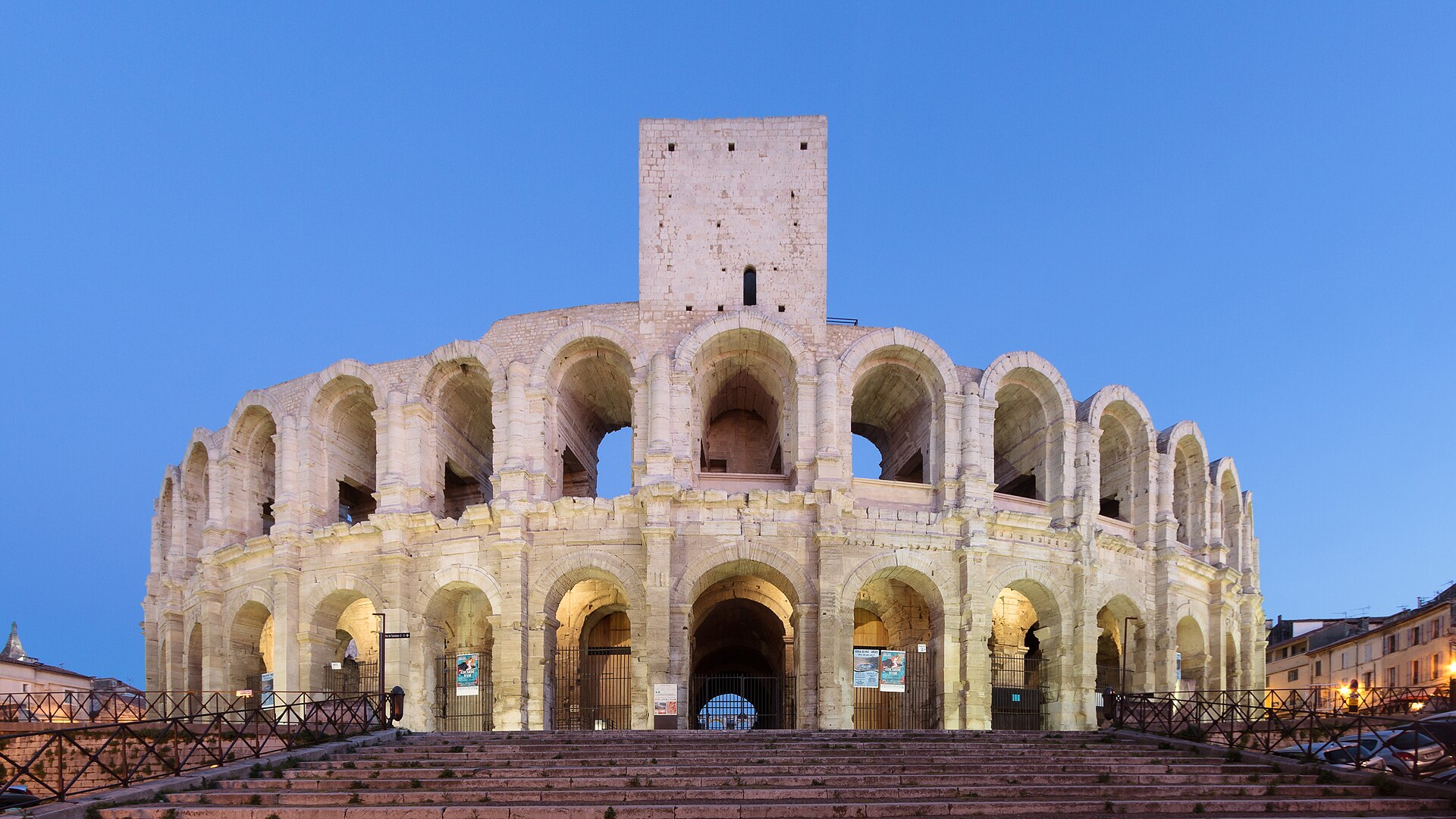
The Arles Amphitheatre stands where time hasn’t erased itself from the stone. Built in the first century AD under Roman rule, when the city was called Arelate, it still looms over the old quarters, its arches cutting the skyline. Unlike other ancient structures turned into ruins or exhibits, this one hasn’t just survived—it’s still used. Bullfights, plays, and concerts happen here, not for tourists but because the city keeps them in its rhythm, much as it did two thousand years ago.
The design shows how Romans built. Twenty thousand spectators could fit inside. Two levels of limestone arches wrap around the oval arena, their proportions exact. Below, the tunnels where gladiators and animals once waited are still there, now open to walk through. The air feels heavy with footsteps and voices that aren’t there anymore.
Arles was a crossroads in Roman times. Roads from Italy to Spain met here, and the Rhône River linked the city to Mediterranean trade. The amphitheatre wasn’t just for entertainment—it showed Roman power. Gladiator fights, executions, political gatherings, and even staged naval battles (the arena was flooded) took place here, each event marking the empire’s presence.
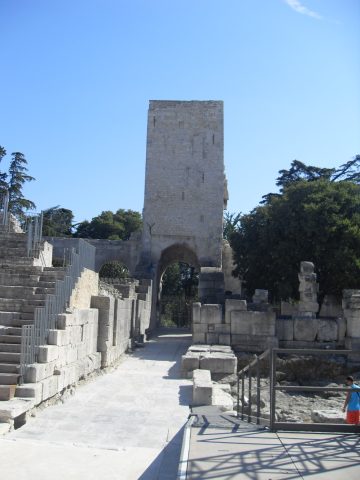
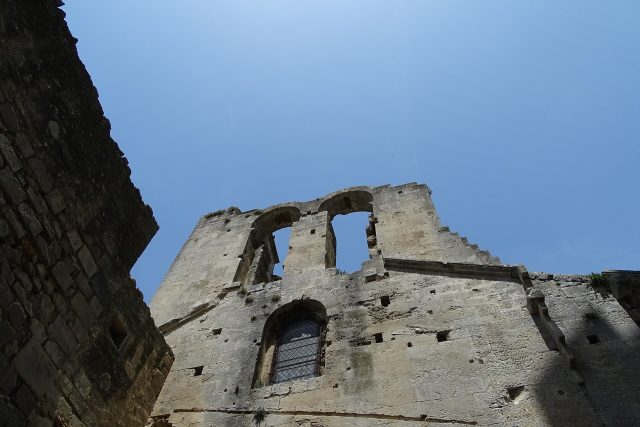
Over centuries, the amphitheatre changed. In the Middle Ages, it became a fortress, its arches lined with defensive walls. Later, people built houses, streets, and a church inside it. The marks of these changes are still visible in the stone.
When you climb the worn steps, the Provençal sun on your skin, the crowd’s roar feels close. The old streets of Arles, with their narrow alleys and shaded cafés, seem like part of the amphitheatre itself. The city doesn’t hide its age. Antiquity is everywhere—in the walls, the cypress trees, the shadows that stretch like time.
Evenings change the light. As the sun sets, the amphitheatre glows gold. The arches throw long shadows, and for a moment, the past feels near. Vincent van Gogh, who lived in Arles in the 1880s, painted this place not as a ruin but as something still breathing.
A small museum inside holds pieces of its history—sculptures, coins, a model of how it once looked. But the real draw is the feeling. Standing in the arena, looking up at the stone seats, you can almost see the crowd: the elite in their boxes, the rest packed into the higher rows, the air thick with waiting.
Today, the amphitheatre is still a stage. Bullfights happen here, though not everyone agrees with them. In summer, operas and ballets fill the space. In winter, Christmas markets take over. It’s not a museum. It’s a place where past and present mix, each event adding to its layers.
Arles has more to see—Roman baths, a theatre, medieval churches. But you don’t need a plan. Walk the streets, buy local cheeses and wine at the market, sit in a café on Place de la République. Time moves differently here. The stones hold memory, and the amphitheatre stands as its keeper.