Arles is a city where the past isn’t just remembered—it lingers in the stones beneath your feet, in the fragments of daily life left behind by those who walked these streets two thousand years ago. The Musée de l’Arles et de la Provence Antiques isn’t just a repository of artifacts; it’s a place where the layers of history feel tangible, where the Roman era still breathes through the objects it left behind. The museum stands as a quiet witness to the city’s role as a vital hub of Roman Gaul, a crossroads of trade, culture, and power in the ancient world.
Housed in a modern building that blends seamlessly with its surroundings, the museum occupies the site of the ancient Roman forum. The architecture itself is understated, designed to let the artifacts take center stage. High ceilings and large windows flood the galleries with natural light, creating an atmosphere that feels both open and intimate. The exhibits are arranged not as mere displays but as pieces of a larger narrative, inviting visitors to step into the lives of the people who once called this place home. Here, you’ll find everything from delicate jewelry to sturdy tools, from coins stamped with the profiles of long-dead emperors to fragments of pottery that once held wine or oil.
Among the most striking pieces in the collection are the mosaics. These intricate works, composed of thousands of tiny stones and glass tiles, are more than just decoration—they’re windows into the world of ancient Arles. Some depict mythological scenes, their figures frozen in dramatic poses, while others capture the rhythms of daily life: hunters tracking prey, banqueters reclining at feasts, athletes competing in games. The mosaics of Arles are considered some of the finest examples of Roman art in France, not just for their craftsmanship but for the stories they tell. They adorned the floors of wealthy homes, where guests would have admired them while listening to music or poetry, their colors catching the light of oil lamps long since extinguished.
Religion was a cornerstone of life in Roman Arles, and the museum’s collection reflects the city’s spiritual diversity. Statues of Jupiter, Minerva, and Mercury stand alongside altars dedicated to local deities, their surfaces worn smooth by centuries of offerings. One particularly intriguing piece is an altar discovered in the countryside, its carvings hinting at a cult that blended Roman and indigenous traditions. These objects reveal how faith shaped the lives of Arles’ inhabitants, how they sought protection from the gods in times of trouble or gave thanks for good harvests. The museum doesn’t just show what they believed—it offers a glimpse into how those beliefs bound the community together.
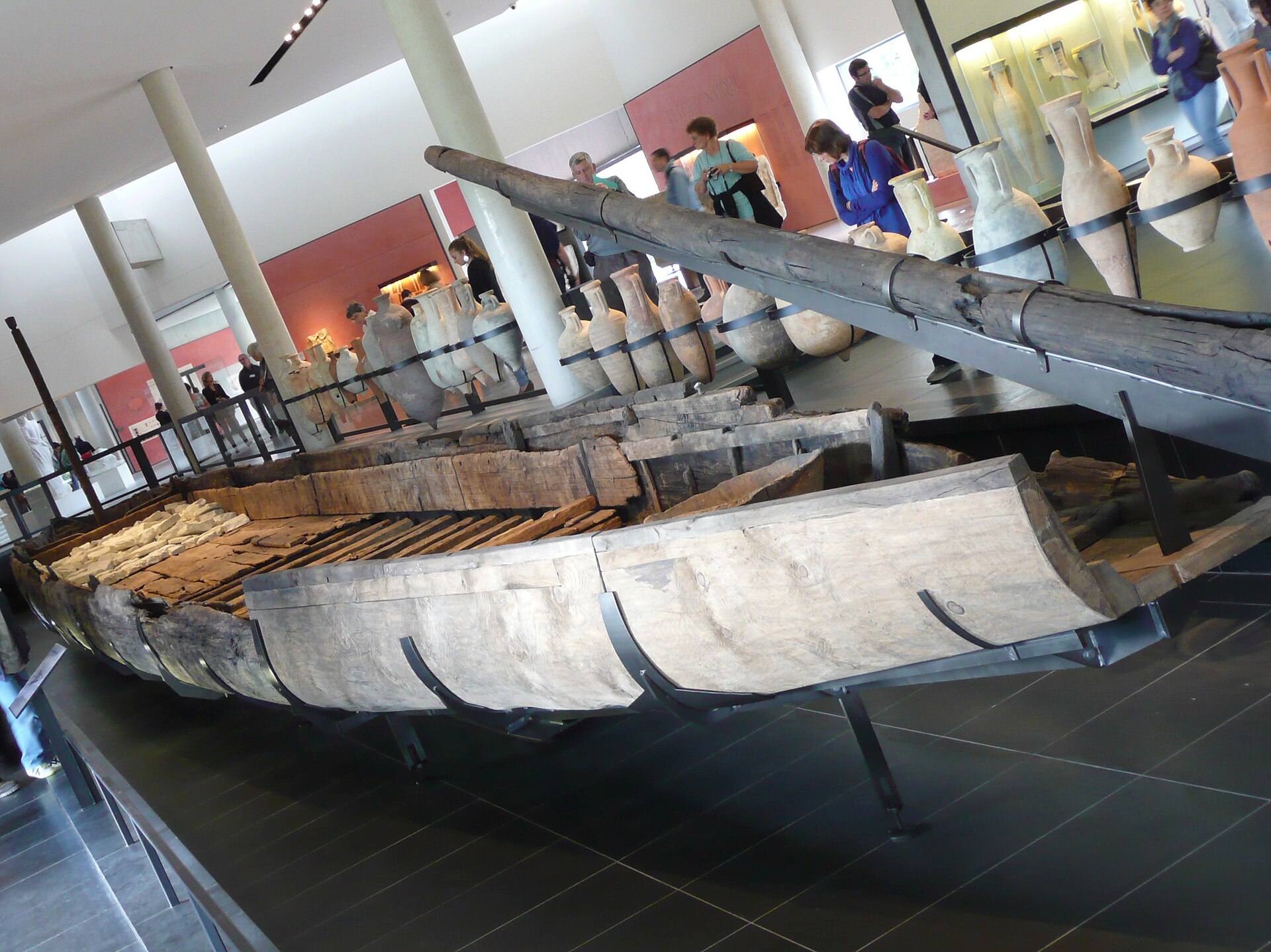
Trade and craftsmanship thrived in ancient Arles, and the museum’s exhibits bear witness to the city’s economic vitality. Situated along the Rhône River, Arles was a key stop on trade routes that stretched across the Mediterranean, connecting Gaul to North Africa, Spain, and the eastern provinces of the empire. Amphorae once filled with olive oil or wine line the galleries, their shapes and markings telling stories of long journeys by sea and river. Tools used by blacksmiths, potters, and weavers hint at the skills of local artisans, while imported luxuries—glassware from Syria, jewelry from Egypt—speak to the wealth that flowed through the city. These objects paint a picture of a place where goods, ideas, and people moved freely, shaping Arles into a thriving center of commerce.
The museum also preserves the voices of ordinary people through its collection of funerary monuments. Tombstones and epitaphs, some adorned with portraits or symbols of the deceased’s trade, offer rare glimpses into individual lives. A soldier’s grave might bear the image of a sword, while a merchant’s tomb could be decorated with a ship. These markers weren’t just memorials; they were statements of identity, testaments to how people wanted to be remembered. The inscriptions, often in Latin, reveal names, professions, and sometimes even personal tragedies—like the loss of a child or a young spouse. Walking among them, it’s impossible not to feel the weight of these lives, each one a thread in the larger tapestry of the city’s history.
What makes the Musée de l’Arles et de la Provence Antiques special is its ability to make the past feel immediate. There’s no grand spectacle here, no attempt to dazzle with scale or opulence. Instead, the museum invites quiet reflection, a chance to sit with the objects and imagine the hands that once held them, the voices that once spoke the words carved into stone. It’s a place where history isn’t just observed—it’s experienced. The artifacts aren’t relics of a distant time; they’re echoes of a world that still shapes the city around them.
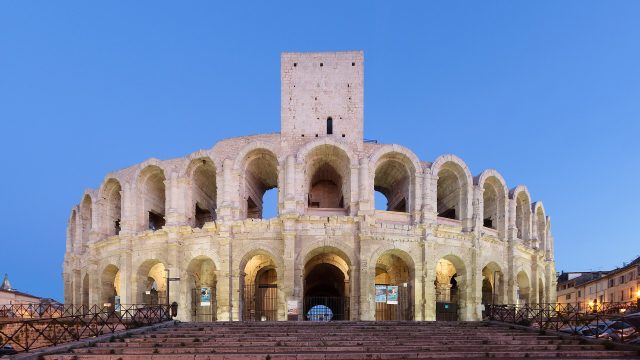
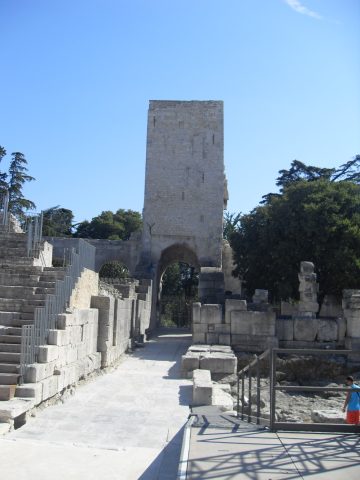
After visiting the museum, the streets of Arles take on new meaning. The Roman amphitheater, where gladiators once fought, stands just a short walk away, its arches framing the same sky that watched over the city centuries ago. The ancient theater, where audiences once gathered to hear poetry and music, is another reminder of how deeply the past is woven into the present. The museum doesn’t just tell the story of Arles—it provides the key to understanding the city itself. Here, history isn’t confined to glass cases; it’s alive in the very fabric of the place, waiting to be discovered by those who take the time to look.