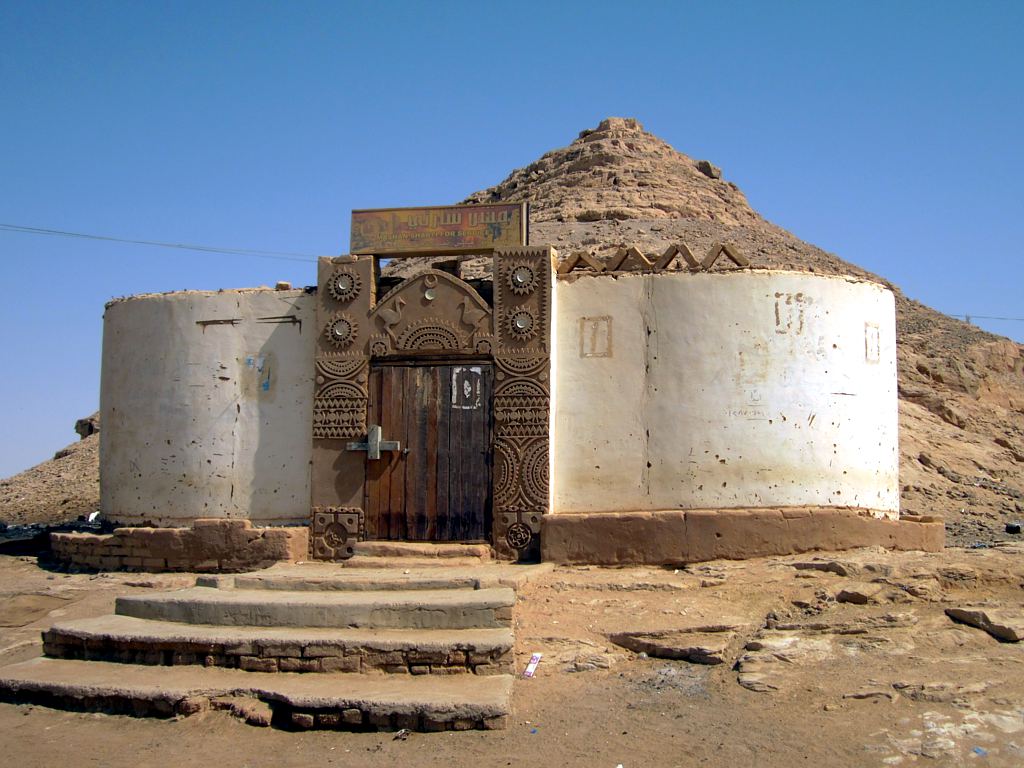
Wadi Halfa’s railway station sits quietly on the edge of town, where the Nile’s slow currents meet the stillness of the desert. The building itself is unassuming—a low, flat-roofed structure with broad arches that let in slivers of sunlight, casting shifting patterns on the stone floor. Around it, the air hums with a kind of suspended time, broken only by the occasional whistle of a distant train or the whisper of wind carrying sand from the dunes. There’s no rush here, no urgency. The station feels like a place where the past lingers just beneath the surface.
Its story begins in the early 20th century, when British engineers carved a railway through Sudan’s northern reaches, linking Khartoum to Egypt and the Mediterranean beyond. Wadi Halfa became a crucial junction, a place where goods and people flowed between the river and the desert. The station wasn’t just a stop; it was a crossroads. Trains arrived laden with cotton, spices, and coal, while passengers—merchants, officials, travelers—paused to switch from rail to riverboats or camel caravans. For decades, it was the pulse of a region, a symbol of connection in a land where distances are vast and travel is never simple.
The architecture is straightforward, built to endure rather than impress. Local stone and brick form thick walls that shield against the heat, while tall windows with wooden shutters once kept out the night. Inside, the waiting hall is spacious, with worn wooden benches that bear the marks of generations. Faded Arabic and English signs still cling to the walls, alongside handwritten timetables and yellowed photographs of the station in its busier days. It’s easy to imagine the place as it once was—crowded, noisy, alive with the comings and goings of strangers.
These days, the station sees fewer trains. The railway that was once Sudan’s lifeline now runs on a skeletal schedule, with services reduced or canceled altogether. Yet it hasn’t been abandoned. Every few days, a train still arrives or departs, and the station carries on in its own quiet way. Locals gather on the platform, sipping tea from vendors or waiting for relatives. The occasional traveler wanders in, drawn by the sense of history that hangs in the air. There’s no grand spectacle here, just the slow rhythm of a place that refuses to fade entirely.
The atmosphere is one of quiet melancholy, a sense of time moving differently. There are no crowds, no hurried footsteps. The Nile flows nearby, its waters just as unhurried as the station itself. In the late afternoon, the light softens, turning the sand golden, and the shadows stretch long across the platform. Children sometimes dart between the arches, their laughter echoing briefly before fading. Old men sit on the benches, talking in low voices. It’s a place where the weight of the past feels tangible, as if the walls themselves remember every journey that began or ended here.
For the people of Wadi Halfa, the station is more than just a relic. It’s a piece of their history, woven into family stories. Many remember grandparents who worked on the railway, or the excitement of welcoming relatives arriving from far away. It was a place of hellos and goodbyes, of hopes pinned on a train’s arrival or the sorrow of watching one pull away. Even now, when its role has diminished, it remains a symbol of continuity—a thread connecting the present to a time when the railway was the heart of the region.
There’s no museum here, no guided tours. The station doesn’t need them. To visit is to step into a living archive, where the details tell their own story. Run your fingers along the worn stone, read the peeling signs, watch the way the light falls through the arches. The people waiting on the platform, the vendors with their trays of tea, the distant sound of a train’s whistle—all of it feels like a conversation with the past. You might leave with the same sense that others have felt over the decades: that some places aren’t just passed through, but experienced.
If you find yourself in Wadi Halfa, take a moment to walk through the station. It won’t take long, but the impression will linger. There’s no grand monument here, no dramatic history—just the quiet persistence of a place that has seen change and yet remains. It’s a reminder that even in a world that moves faster every day, some corners still hold onto their own pace. The station at Wadi Halfa isn’t just a stop along the way. It’s a pause, a breath, a small piece of history waiting to be noticed.