Wadi Halfa’s Market: Where the Nile’s Currents Meet Human Stories
On the banks of the Nile in northern Sudan, Wadi Halfa’s market thrums with life. Trade routes from Egypt, Khartoum, and the desert oases intersect here, carrying more than goods—languages, scents, and the weight of centuries. No one knows its exact age. The river’s tides and the rise and fall of empires have blurred its beginnings, but one thing remains: this is where people trade not just wares, but news, rumors, and silent understandings.
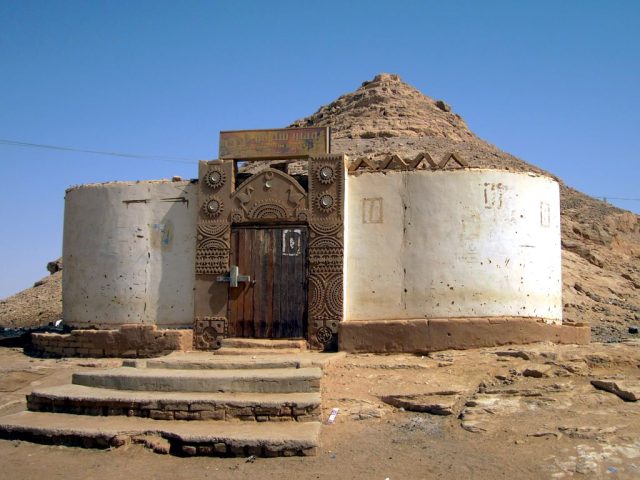
The market’s buildings are low and clay-walled, their flat roofs shaded by palm-frond awnings. They offer shelter from the sun, while the narrow alleys—built for pedestrians and donkeys—wind between them. When rain comes, the walls darken with moisture; in the dry season, dust coats everything: the merchandise, the clothing, even the skin of those who pass through. Yet even in the heat, the market pulses. Vendors arrange their goods on the ground, on wooden stalls, or in woven baskets. Shoppers sift through dates, spices, fabrics, and pottery. Bargaining is part of the rhythm, a ritual as old as the market itself.
What makes this place real are the people. Nubians in white robes stand beside Egyptian traders. Desert nomads bring camels to sell. Travelers wander in, drawn by the promise of something unfiltered. Each person carries a piece of their world: dried herbs for remedies, handcrafted silver jewelry, or nothing more than a kettle of hibiscus tea and a story. Arabic, Nubian dialects, and gestures fill the air. If you linger, you might hear women singing as they sort grain or watch artisans mend clay pots with techniques passed down for generations.
The stalls hold what this corner of the world needs to survive. Fresh vegetables and fruit grow in the Nile’s fertile soil. Camel milk and dried meat sustain desert journeys. Spices—turmeric, cardamom, coriander, chili—are packed into rough cloth bags, their scents thick in the air. Fabrics, too, are essential: bright cotton scarves for traditional clothing, thick wool wraps for the desert’s cold nights. Then there are the small things—old coins, glass beads, clay figurines—that become souvenirs for those who want to take a piece of this place home.
The market moves to its own time. Trade starts early, before the sun turns the air to fire, and slows by midday when vendors retreat into the shade. In the late afternoon, activity stirs again, though never as frantically as in the morning. By evening, kerosene lamps flicker, casting long shadows. Faces grow more vivid in the dim light. Elders play mancala, the ancient board game, or sit in quiet conversation. For locals, the market is more than a workplace—it’s where they catch up, seek advice, or simply pass the time.
Wadi Halfa’s history is written in the market’s stones. In the 19th century, caravans carried goods from Central Africa to Egypt through here. Later, under British rule, the town became a transport link to Khartoum. The market witnessed it all: ivory and enslaved people, guns and cotton, and eventually gasoline and plastic trinkets from China. Empires rose and fell. Borders shifted. Yet the market endured, as constant as the Nile beside it.
Today, Wadi Halfa is a quiet town, far from Sudan’s tourist trail. But the market offers a glimpse of the country as it is—unfiltered, unpolished. There’s no glossy facade, no attempt to impress. Instead, there’s the raw authenticity of daily life: traditions that refuse to fade, people living much as their ancestors did. You won’t find flashy displays or tourist traps, just the unvarnished reality of a place that has seen centuries of change.
If you ever come here, don’t rush past the market. Stop. Look around. Listen. Maybe you’ll understand that travel isn’t just about landscapes or landmarks. It’s about people, their stories, and the quiet spirit of a place that can’t be captured in words. The market isn’t a museum. It’s alive, breathing, evolving—yet rooted in what it’s always been.