Zaslavl is one of those quiet Belarusian towns that most travelers pass by on their way to more famous destinations. Yet it was here, on a gentle hill overlooking the Svislach River, that a fortress once stood—a place that played a significant role in the region’s medieval history. Today, little remains of the castle beyond its earthen ramparts and ditches, but even these faint traces offer a glimpse into the past, inviting visitors to imagine what this stronghold once was.
The origins of Zaslavl itself date back to the late 10th century, when Prince Vladimir of Kyiv founded the town and named it after his son, Izyaslav. By the 12th and 13th centuries, a wooden fortress had taken shape here, serving as the fortified heart of the settlement. When these lands became part of the Grand Duchy of Lithuania in the 14th century, the castle was rebuilt in stone, becoming part of a defensive network that protected the approaches to major cities like Polotsk and later Vilnius. Zaslavl was more than just a border outpost; it was a key trading hub on the route from Kyiv to the Baltic.
Archaeological excavations reveal that the castle had an irregular quadrilateral shape, with thick walls and corner towers. Inside, there were living quarters, storage buildings, and a well to supply water during sieges. In the 16th century, as artillery warfare advanced, the fortifications were modernized—stone reinforcements were added to the ramparts, and the moats were deepened. But by the 17th century, the castle’s military importance had faded. After wars with Muscovy and Swedish invasions, it fell into disrepair, its stones eventually carted away by locals for building their own homes.
What remains today are the grass-covered earthworks, rising up to six meters high and forming an oval ring about a hundred meters across—the original footprint of the fortress. From the top of the ramparts, the view stretches over the winding Svislach River and the surrounding hills, with the modern town of Zaslavl nestled below. On a quiet day, the rustling of leaves and the distant murmur of the river create a sense of timelessness, as if the centuries have folded in on themselves.
Visiting the castle isn’t about admiring grand ruins; it’s about stepping into a place where history lingers in the air. There are no crowds, no guided tours, no souvenir stalls—just the wind sweeping through the grass and the occasional visitor drawn by the silence. In summer, wildflowers bloom on the slopes, while autumn turns the leaves to gold. Winter lends the site an even more mysterious air, with snow blanketing the earthworks, making it easy to imagine the secrets still buried beneath.
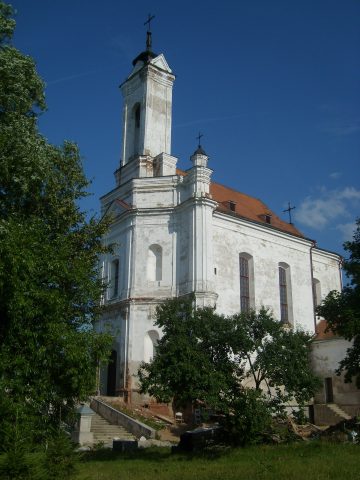
Not far from the castle stands the Transfiguration Church, one of the oldest stone buildings in Belarus. Built in the 16th century on the site of an earlier wooden church, it has retained much of its original appearance. Together with the castle, it once formed a single architectural ensemble, and today, the two sites complement each other. Inside the church, 17th-century frescoes and a carved iconostasis offer a glimpse into the past, echoing the quiet atmosphere of the castle hill.
Zaslavl’s castle is a place where history hasn’t just faded—it has dissolved into the landscape. There are no dramatic legends of battles or hidden treasures here, just the quiet allure of a forgotten site. Walking along the ramparts, it’s impossible not to wonder about the countless people who once passed this way: merchants, soldiers, peasants, monks. Each left their mark, and today, those invisible traces make the castle feel alive in a way that grander ruins sometimes do not.
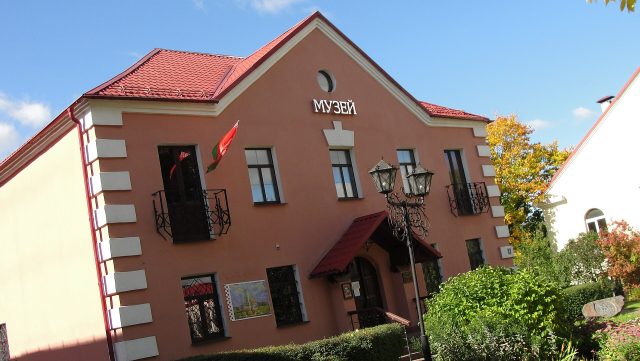
If you find yourself in Zaslavl, take your time before leaving. Stroll through the town, visit the local museum to see the artifacts unearthed by archaeologists, and then return to the castle hill. The best time to come is at sunset, when the sky turns golden and the shadows stretch long. In those moments, it feels as though the past and present meet here, on this unassuming hill by the river.