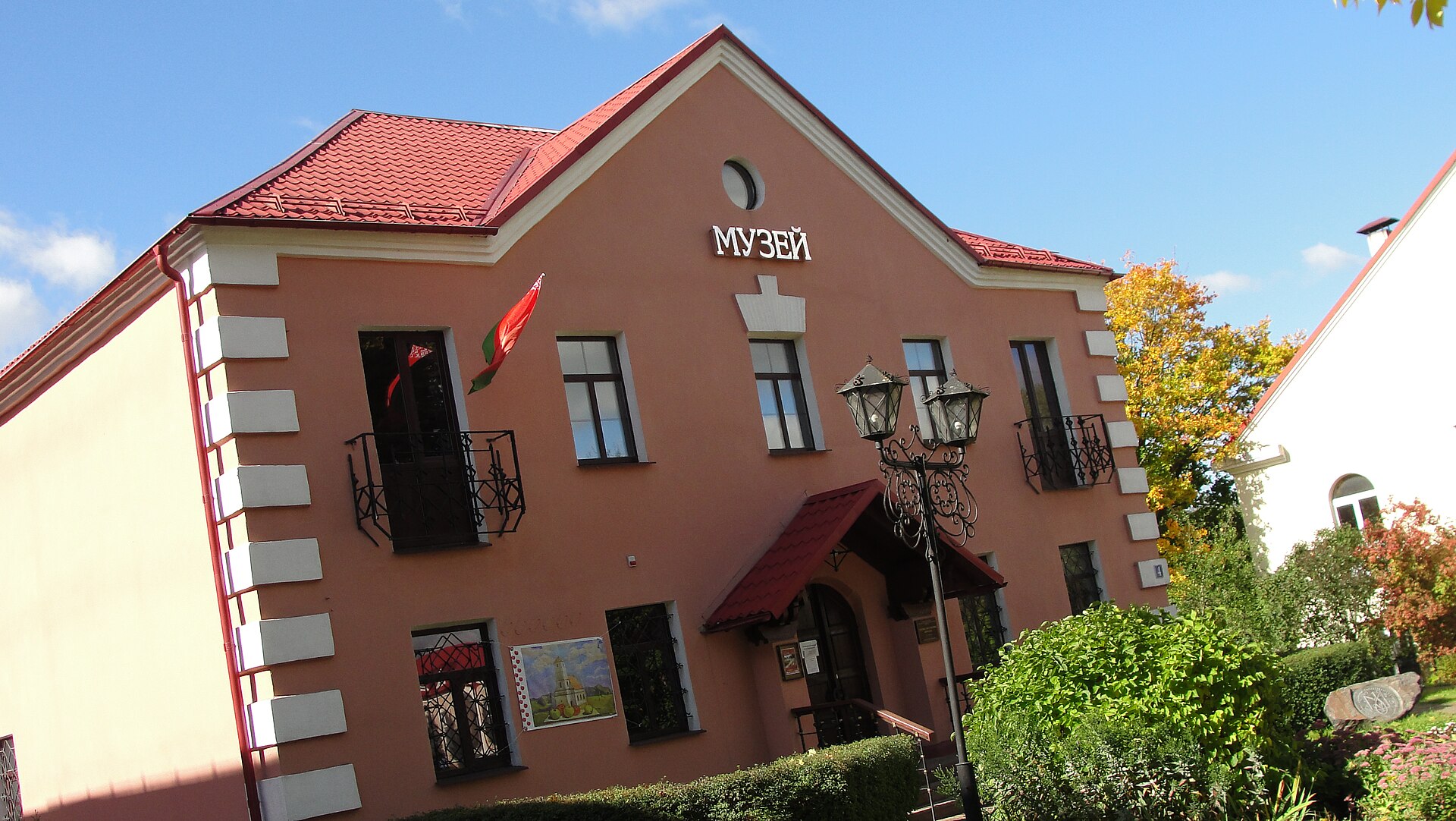
Zaslavl is one of Belarus’s oldest towns, a place where history feels tangible rather than distant. Nestled along the banks of the Svislach River, it began as a fortified settlement in the 12th century, serving as a key stronghold of the Polotsk Principality. Over time, its strategic location at the crossroads of trade routes linking Vilnius, Polotsk, and Minsk shaped its fate, turning it into a contested prize between neighboring powers. Today, the town’s past is preserved in the Zaslavl Museum Complex, built on the grounds of what was once the heart of the medieval settlement—a castle that stood as both a shield and a symbol of the town’s resilience.
The museum complex is more than a collection of artifacts; it’s an attempt to recreate the atmosphere of different eras through architecture, daily life, and culture. Walking through the grounds, you can still see remnants of the old fortifications—fragments of earthen ramparts, ditches, and towers that once defended the town from invaders. A reconstructed section of the wooden fortress wall gives a sense of the scale of these defenses, offering a glimpse into the challenges faced by those who lived here centuries ago. The site doesn’t just display history; it invites you to step into it.
At the core of the complex is the Museum of Zaslavl’s History, where exhibits trace the town’s evolution from a medieval outpost to a bustling center of trade and craftsmanship. The collection includes everyday objects, tools, coins, weapons, and documents unearthed during archaeological digs. One of the most compelling sections focuses on the Grand Duchy of Lithuania, a time when Zaslavl was part of one of Europe’s largest states. The exhibits also shed light on the turbulent 17th and 18th centuries, when the town found itself at the center of repeated conflicts, its fate tied to the shifting borders of empires.
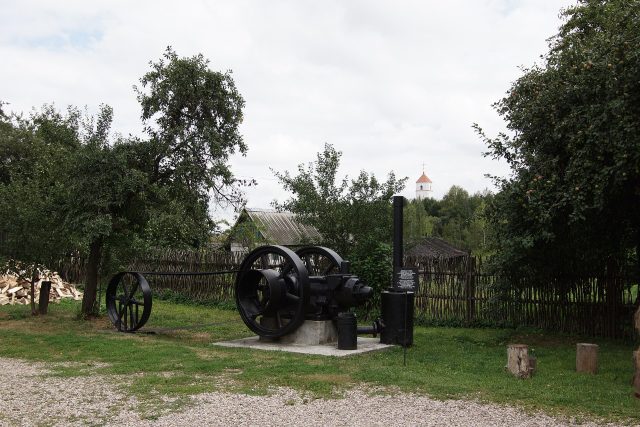
Adjacent to the historical museum is an ethnographic complex that recreates a 19th-century Belarusian farmstead. This isn’t just an open-air exhibit; it’s a living snapshot of rural life. Visitors can explore a log cabin with its massive stove, see traditional tools and household items, and even try their hand at old crafts—weaving on a loom or baking bread in a wood-fired oven. In the warmer months, the site often hosts workshops and folk festivals, where artisans demonstrate skills passed down through generations, and musicians play instruments that have been part of Belarusian culture for centuries.
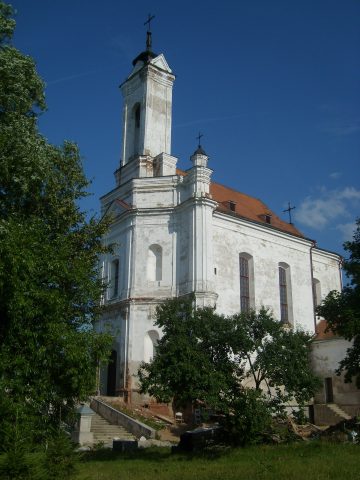
A short walk from the main museum stands the Church of the Nativity of the Virgin, a striking example of Baroque architecture built in the 18th century. It’s one of the few surviving structures of its kind in Belarus, notable not only for its history but also for its interior. The church still retains its original frescoes, iconostasis, and intricately carved wooden details, all crafted by local artisans. The building remains an active place of worship, which adds a layer of authenticity to the experience—here, history isn’t just preserved; it’s still alive.
Nearby, a cluster of ancient burial mounds offers a quiet reminder of the region’s even older past. These kurgan sites date back to the early Middle Ages and were used by Slavic tribes long before Zaslavl was first mentioned in written records. Today, the mounds appear as gentle grassy hills, but they hold traces of pagan rituals and burial customs. Archaeologists have uncovered artifacts here that speak to the beliefs and traditions of the people who once called this land home, long before the town took shape.
Beyond its historical significance, the museum complex is a place where the natural surroundings play an equally important role. The area is bordered by forests, and the Svislach River winds through the landscape, adding a sense of tranquility. In summer, the grounds are a popular spot for picnics, while winter brings cross-country skiers gliding through the snow. Spring and autumn transform the scenery, with the changing colors of the forest creating a backdrop that feels almost timeless. For those who want to delve deeper, guided tours share local legends and folklore, stories that have been passed down through generations and still linger in the air.
What makes Zaslavl special is the way it bridges the past and present. There’s no rush here, no modern distractions—just the quiet weight of history in the stones, the trees, and the river. It’s a place where you can wander through centuries in a single afternoon, where the stories of those who came before feel close enough to touch. That’s why it draws not only visitors from afar but also locals, for whom Zaslavl is more than just a town; it’s a piece of their own story.