Polotsk
Belarus · 8 places
Photo: Belarus2578, CC BY-SA 4.0
Polotsk is one of those rare places where history isn’t just preserved in museums—it lingers in the air, in the quiet rhythm of the streets, in the way the Western Dvina River flows past as it has for over a thousand years. Often overshadowed by more famous European cities, Polotsk carries its age with quiet dignity. It was once the capital of a principality, a bustling trade hub, and a cultural beacon in a region where borders and powers shifted constantly. Today, its medieval layout remains intact, with narrow lanes winding between low-rise buildings and ancient churches that have stood through wars, fires, and the slow march of time. There’s no grand fanfare here, no insistence on its importance—just the quiet certainty of a city that has seen empires rise and fall.
This is a place where faith and history intertwine. The Sophia Cathedral, built in the 11th century, is one of the oldest churches in Belarus, its walls bearing witness to centuries of political intrigue, religious devotion, and even the occasional siege. Today, the sound of organ music drifts through its halls, a reminder that some traditions endure. Nearby, the Spaso-Evfrosinya Monastery stands as a testament to the legacy of Saint Euphrosyne of Polotsk, a revered figure in Belarusian history. Founded in the 12th century, the monastery remains an active spiritual center, drawing pilgrims and visitors seeking a moment of reflection. The cross of Saint Euphrosyne, a national symbol, was crafted here, though its original was lost during the Second World War—a quiet tragedy in a city that has known many.
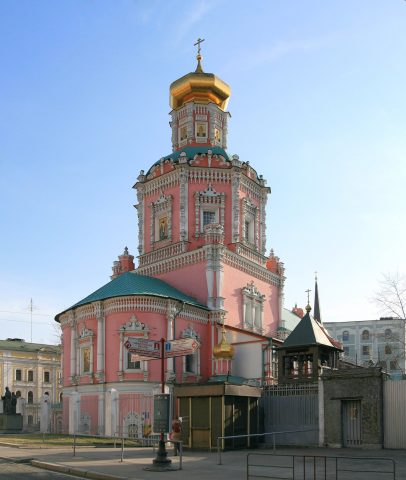
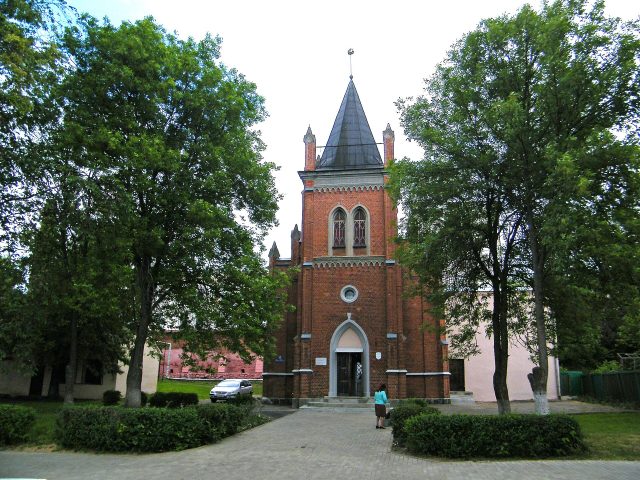
Polotsk is a living archive of architectural styles, where each era left its mark. Romanesque and Gothic details peek out from the facades of old churches, while neoclassical buildings from the 19th century line the streets, their pastel hues softened by time. The Jesuit Collegium, established in the 16th century, was the first institution of higher learning in Belarus, and its halls now house a museum filled with rare manuscripts, antique maps, and everyday objects that tell the story of the city’s past. Walking through Polotsk feels like flipping through the pages of a history book, where every corner reveals another layer of time.
Yet for all its historical weight, Polotsk is far from frozen in the past. It’s a city that breathes, where the old and the new coexist without fuss. In summer, the riverside promenade buzzes with life—locals strolling, children playing, and the occasional street musician adding a soundtrack to the evening. When winter arrives, the same stretch of water becomes an ice rink, its surface glinting under the lights. The city’s cafes serve up hearty Belarusian dishes—potato pancakes crisped to perfection, smoked meats with a depth of flavor, and sweet babka cakes that taste like childhood. Festivals celebrating medieval culture or the written word draw crowds, but Polotsk never feels like it’s trying too hard. It doesn’t need to. There’s a warmth here, an unspoken invitation to slow down and take in the details—to notice the way the light hits the cathedral’s domes at dusk or how the river reflects the colors of the sunset. It’s not a city that demands attention; it’s one that rewards those who choose to look a little closer.
See & Do
All of them
Places on the map
Marker colour follows the categoryClimate and weather
Detailed weather: Polotsk- Average temperature
- 8 °C
- Precipitation per year
- 709 mm
Average air temperature
°C
-3
-2
2
8
13
19
19
19
13
9
2
-1
Jan
Feb
Mar
Apr
May
Jun
Jul
Aug
Sep
Oct
Nov
Dec