Trim Castle: A Walk Through Ireland’s Medieval Past
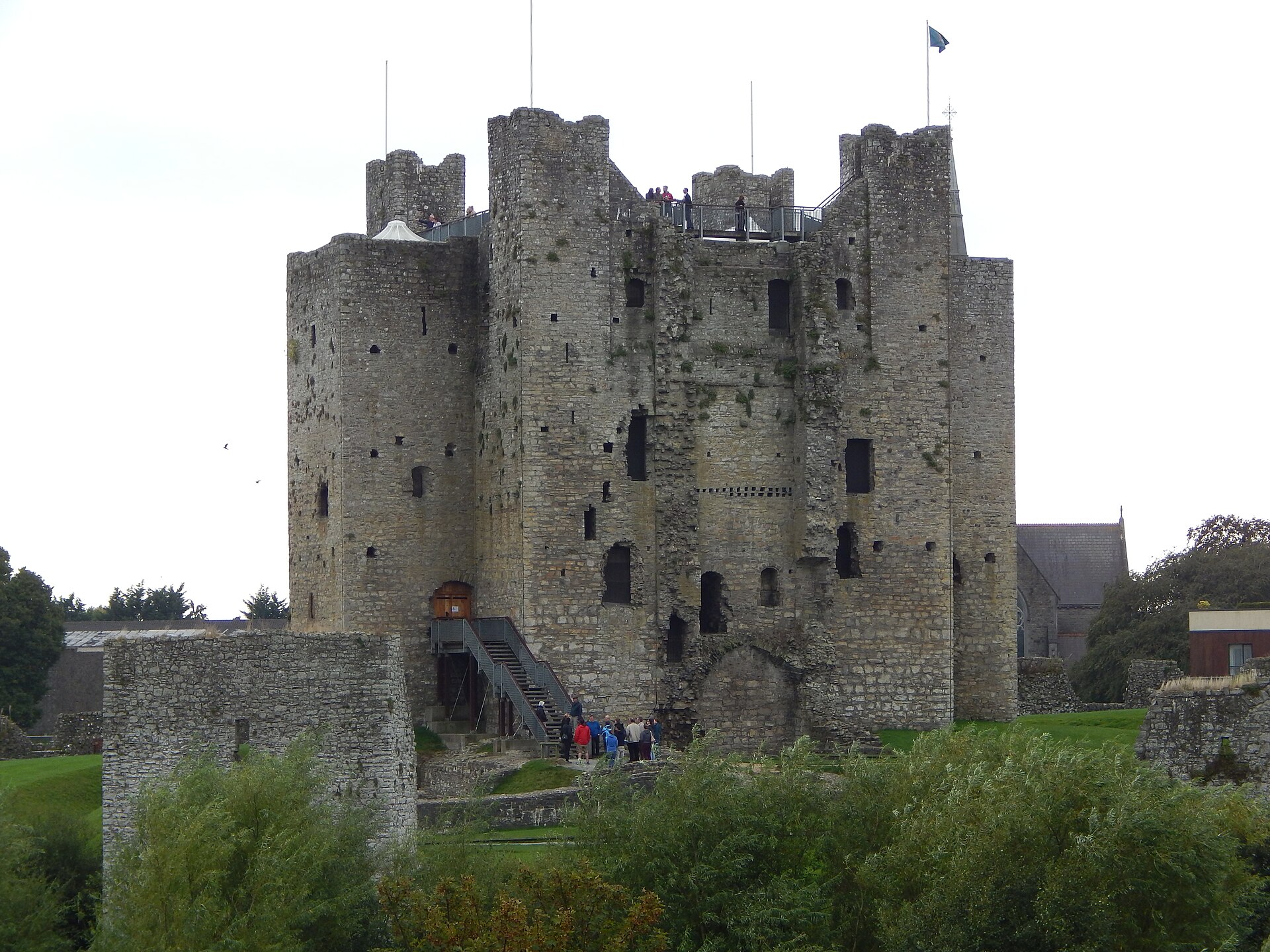
Trim Castle sits on the banks of the River Boyne in County Meath. From the opposite shore, the fortress looks untouched by time, its weathered stone walls holding centuries of stories. This is one of Ireland’s largest Norman castles. Here, medieval battles once raged, and Hollywood cameras later rolled. But beyond its cinematic fame, the castle remains a place where history feels alive—where local chieftains and English invaders once clashed over land and control.
The castle began in the late 12th century, when Hugh de Lacy, a Norman lord, was granted these lands by King Henry II of England. De Lacy chose the site for the River Boyne’s natural barrier and the elevated ground’s strategic view. What started as a wooden fort soon became stone, with thick walls and towers rising by the 13th century. The great keep, nearly thirty meters high, still dominates the landscape. Three-meter-thick walls were built to withstand sieges—and they did.
Over the centuries, Trim Castle changed hands as power shifted in Ireland. By the 13th century, it became the seat of the Lords of Meath, later serving as a key stronghold for the English crown. In the 14th century, the O’Neill clan attacked but failed to take it. By the 17th century, during the Irish Confederate Wars, its walls saw clashes between Royalists and Parliamentarians. Each era left its mark—battle scars, layers of construction, signs of survival.
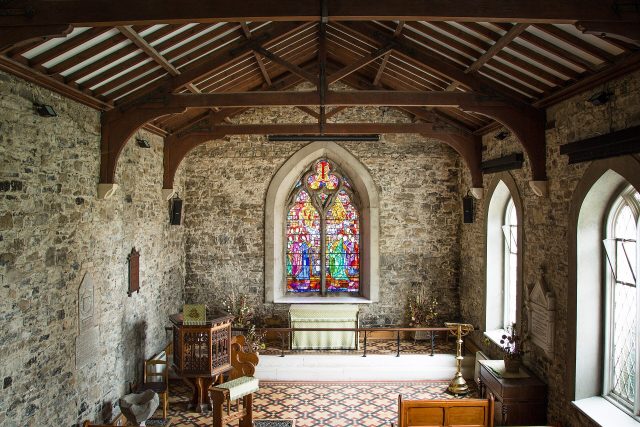
The castle’s architecture shows Norman military design. The square keep has narrow arrow slits and thick walls, built for defense. Inside, remnants of the original living quarters survive—fireplaces, heating systems, and fragments of decorative stonework. The layout includes a gatehouse with a drawbridge, a chapel, and outbuildings, all encircled by a moat. Walking through the inner courtyard, you can almost hear the clatter of armor, the murmur of servants, the ring of a blacksmith’s hammer.
Today, Trim Castle is open to visitors. The keep offers a glimpse into medieval life, with some rooms still showing their original purpose. Faded frescoes and carved stone hint at the wealth of its former inhabitants. The best part? Climbing to the top. From there, the view stretches across the River Boyne and rolling fields. On clear days, you can spot the ruins of nearby monastic sites in the distance.
Trim Castle gained global recognition after appearing in *Braveheart*. Though the movie took liberties with history—Trim was never linked to William Wallace—it brought new visitors. Many come because of the film, but the castle’s real draw is its authenticity, not its Hollywood ties.
The castle changes with the seasons. Summer brings tourists, guided tours, and reenactments. Autumn wraps the river in mist and paints the trees in gold. Winter turns the castle into a solitary sentinel, its empty courtyards echoing the past. Spring brings wildflowers and a swollen river.
Visiting Trim Castle isn’t just a tourist stop. The surrounding countryside, with its gentle hills and winding river, feels untouched. There are no crowds, no modern distractions—just history. The castle doesn’t need flashy exhibits. It simply stands as it has for centuries, a reminder of the people who built it, defended it, and lived within its walls. If you’re looking for more than a photo, you’ll find something rarer here—a connection to the past, and to the land itself.