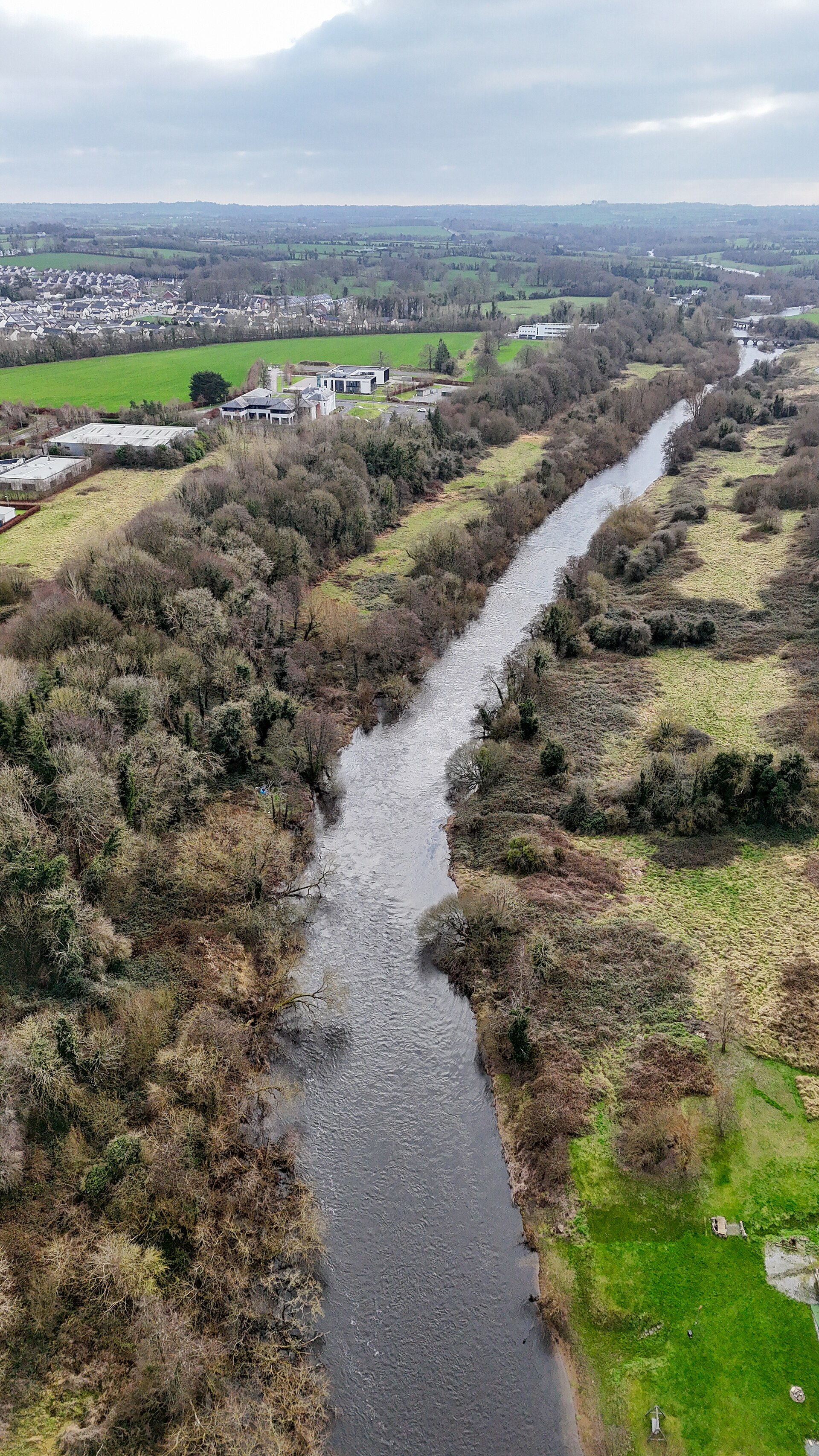
The River Boyne winds its way through the heart of Ireland, a slow and steady presence that has shaped the land and its people for millennia. Its waters carry more than just the rain that falls on the hills of Kildare; they hold the weight of history, flowing past places where ancient rituals were performed, battles were fought, and lives were lived in ways both ordinary and extraordinary. The Boyne is not the longest river in Ireland, but it is one of the most storied, a thread connecting the island’s past to its present.
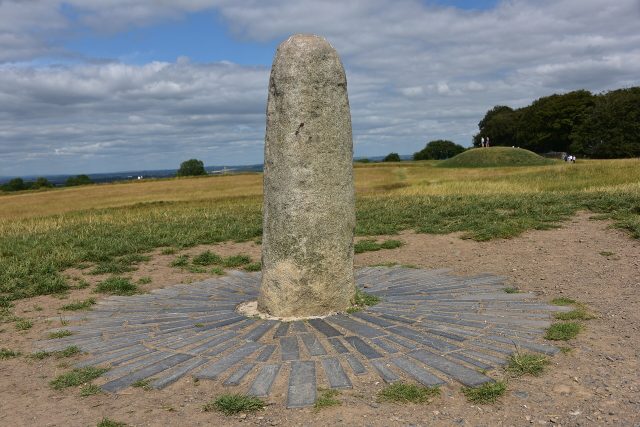
The river begins modestly in the bogs of County Kildare, but it is in the Boyne Valley, particularly in County Meath, where it truly comes into its own. Here, the landscape softens into rolling green hills, and the river broadens, its banks lined with meadows and stands of alder and willow. The valley feels timeless, a place where the past is never far away. Scattered across the countryside are the remnants of those who came before—burial mounds, standing stones, and the faint outlines of settlements that predate written history. Walking along the river, it’s easy to imagine the people who once gathered here, drawn by the same quiet beauty that lingers today.
The most famous landmark along the Boyne is Brú na Bóinne, known to most as Newgrange. This massive Neolithic passage tomb predates both the pyramids of Egypt and Stonehenge, a testament to the ingenuity of the people who built it over five thousand years ago. The structure is a marvel of ancient engineering: a narrow passage leads to a central chamber, where intricate carvings of spirals and lozenges adorn the stones. On the morning of the winter solstice, a single beam of sunlight pierces the darkness, illuminating the chamber in a fleeting moment of connection between the living and the long-dead. How or why this was achieved remains a subject of debate, but the precision of the alignment speaks to a deep understanding of the cosmos. Today, Newgrange draws visitors from around the world, though access to the interior is limited to guided tours. Even from the outside, the mound commands attention, a silent witness to the passage of time.
Newgrange is only the beginning. A short distance downstream lie two more passage tombs, Knowth and Dowth, each with its own mysteries. Knowth is smaller but no less intriguing, its stones carved with the same enigmatic patterns found at Newgrange. Dowth, meanwhile, is aligned with the summer solstice, its passage designed to catch the first light of the longest day of the year. Together, these sites form a sacred landscape, a place where the rhythms of the seasons were once marked with ceremony and reverence. Now, the wind whispers through the grass, and the only sounds are the distant call of birds and the occasional murmur of visitors. Yet there is a sense that something lingers here, a faint echo of the voices that once filled the valley.
The Boyne has been a stage for more recent history as well. In 1690, its banks became the setting for the Battle of the Boyne, a pivotal moment in Irish history. The conflict pitted the forces of the deposed Catholic king James II against the Protestant William of Orange, whose victory secured Protestant ascendancy in Ireland for centuries to come. The battle was brutal, and its legacy is still felt today, particularly in Northern Ireland, where it remains a symbol of division. A memorial marks the site, and each July, reenactments bring the past to life for visitors. Beyond the battlefield, the river itself bears traces of that era—old stone bridges, the ruins of mills, and grand estates that once relied on the Boyne for trade and transport.
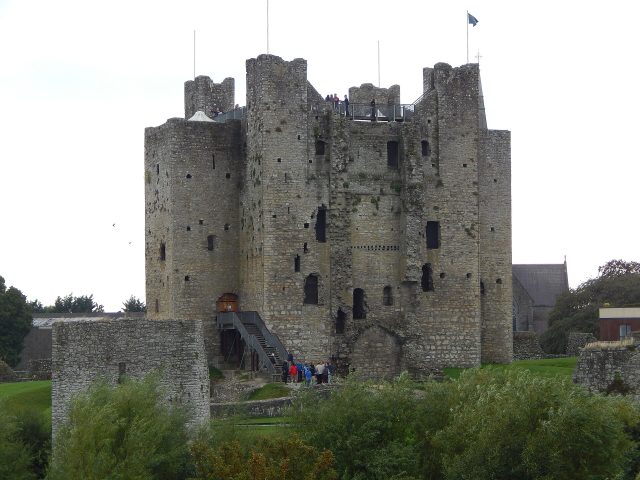
For all its historical weight, the Boyne is also a place of quiet beauty. Walking trails follow its course, offering glimpses of the landscape that has changed little over the centuries. One of the most popular routes runs from the town of Trim to the village of Boyne, passing the ruins of Trim Castle, once one of the largest fortresses in Ireland. The castle’s crumbling walls rise above the river, their reflection shimmering in the water below. Along the way, the riverbanks teem with life—otters darting through the shallows, kingfishers flashing blue over the water, and in the spring and autumn, flocks of migrating birds filling the air with their calls. The valley feels alive in a way that is both immediate and enduring.
The Boyne has not escaped the touch of modernity. In the last century, hydroelectric dams were built along its course, harnessing the river’s power to generate electricity for the surrounding towns. Some lament the loss of the river’s wildness, but the dams are a reminder that the Boyne has always been a resource for those who live along its banks. Even with these changes, the river retains its charm. On still days, the water mirrors the sky, and in the evenings, a soft mist often rises from the surface, blurring the line between land and water. The dams may control its flow, but they cannot contain its spirit.
For those who call the Boyne Valley home, the river is more than just a body of water—it is a part of daily life. Locals fish its waters, paddle its currents, and gather on its banks for picnics and celebrations. In the town of Drogheda, where the Boyne meets its tributary, the Mattock, the river takes on a livelier character. Once a bustling port, Drogheda still bears traces of its maritime past, with quayside cafes and a small museum dedicated to the history of navigation. Though the town’s role as a trading hub has diminished, the river remains a vital link to the sea. At its mouth, the Boyne spills into the Irish Sea, and from the surrounding hills, it’s possible to watch its waters merge with the vast expanse of the ocean.
The Boyne is a river that guards its secrets well. It has seen empires rise and fall, witnessed the birth of myths and the fading of old ways. Yet it flows on, unchanged in its essence, a constant presence in a world that is always shifting. Those who visit—whether to marvel at Newgrange, walk the battlefields, or simply sit by the water—often leave with more than they expected. The river has a way of making history feel tangible, of bridging the gap between then and now. It doesn’t demand attention; it simply offers itself, a quiet reminder that some stories are never truly finished.