The County Meath Museum in the town of Ratoath offers a different kind of history—one that feels personal rather than preserved behind glass. This isn’t a place of grand displays or overwhelming scale; instead, it’s more like stepping into a family album where every object has a story to tell. Meath itself has always been at the heart of Ireland’s past, a crossroads of cultures and events that shaped the country. From ancient Celtic settlements to Norman invasions, from medieval monasteries to the struggle for independence, the museum captures these layers without missing a beat.
The building itself is part of the story. Housed in a historic manor once owned by a prominent local family, its architecture blends Georgian elegance with later additions. Even without knowing its history, you can sense the weight of the past in its high ceilings, sturdy oak doors, and large windows that let in the soft Irish light. It doesn’t feel like a museum so much as a place where time has settled comfortably, waiting to be explored.
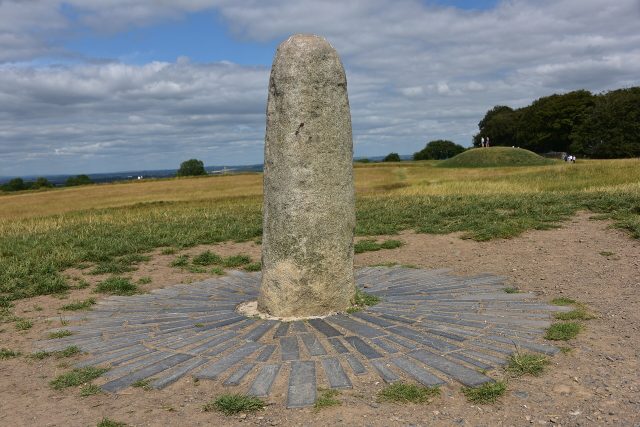
Rather than following a strict timeline, the exhibits are arranged by themes that shape the identity of the region. You’ll find Bronze Age artifacts unearthed near Ratoath—stone axes, bronze jewelry, and pottery—that speak of the first people to call these lands home. Nearby, relics from Tara, the ancient seat of Ireland’s high kings, bring the past to life: carved stone fragments, coins, and everyday objects that hint at the grandeur of royal life. These aren’t just relics; they’re connections to a world that once thrived here.
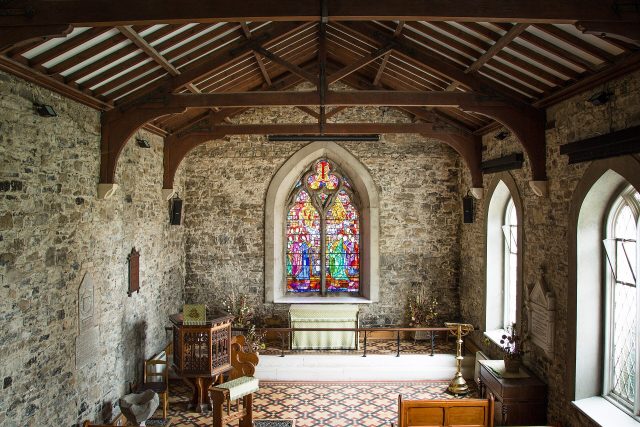
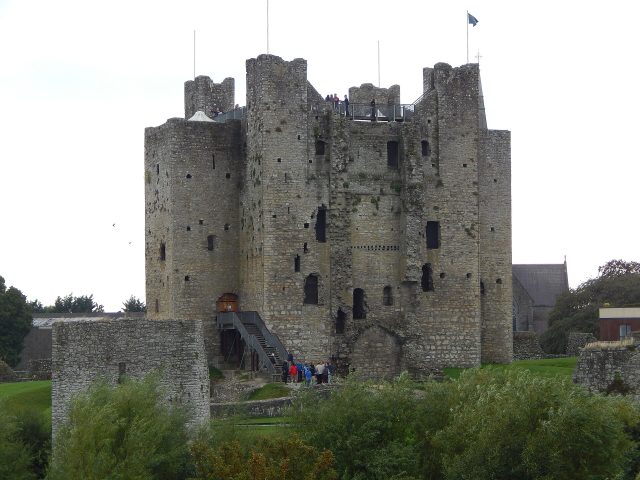
The medieval period is told through the monasteries and castles that dot the county. Fragments of stained glass from Ballymacnab Abbey, illuminated manuscripts, and church artifacts reveal the spiritual and cultural life of the time. A particularly striking piece is a section of a stone cross that once stood in a monastery graveyard. The Norman invasion is also well represented, with armor, weapons, and documents showing how new rulers reshaped the land. The Normans didn’t just conquer—they brought new ways of building, farming, and even cooking, traces of which linger in Irish culture today.
The museum doesn’t shy away from more recent history, either. Rooms dedicated to the 19th century tell the story of the Great Famine through simple but powerful objects: worn tools, patched clothing, letters, and records that convey both despair and resilience. Personal stories of families who endured those years are pieced together from archives and descendants’ memories. The museum doesn’t romanticize the past, but it doesn’t dwell solely on hardship—it shows how people held onto their dignity even in the darkest times.
A separate section covers Ireland’s fight for independence in the early 20th century. Photographs, pamphlets, weapons, and personal belongings of those involved bring the era to life. Meath played a key role in these events, and the museum highlights local battles and figures without taking sides. It’s not about politics; it’s about understanding why these struggles still matter to so many.
The modern exhibits shift focus to the county’s present. Works by local artists, photographs of rural landscapes, and examples of traditional crafts show how Meath continues to evolve. Interactive displays let visitors try their hand at old Irish games, while temporary exhibits tackle current issues like language preservation and environmental efforts. The museum isn’t just for tourists—it’s a community hub, a place where locals and visitors can engage with the region’s past and future.
Walking through Ratoath after visiting the museum feels different. The town’s narrow streets and old pubs take on new meaning, and the surrounding countryside—with its ancient mounds, castles, and mills—suddenly feels like a living history book. The museum doesn’t just tell stories; it gives you the tools to see them everywhere. A stone wall might reveal Norman craftsmanship, a field’s shape could hint at ancient Celtic boundaries, and a village name might carry echoes of long-forgotten events.
What makes the County Meath Museum special isn’t its size or flashy displays, but its ability to make history feel alive. It doesn’t offer easy answers, just the chance to ask questions and find your own connections. Maybe that’s why it lingers in your mind long after you leave—because history here isn’t something distant, but something you can almost touch. And if you find yourself wanting to return, whether to revisit the exhibits or simply sit in the quiet courtyard with a cup of tea, then the museum has done its job.