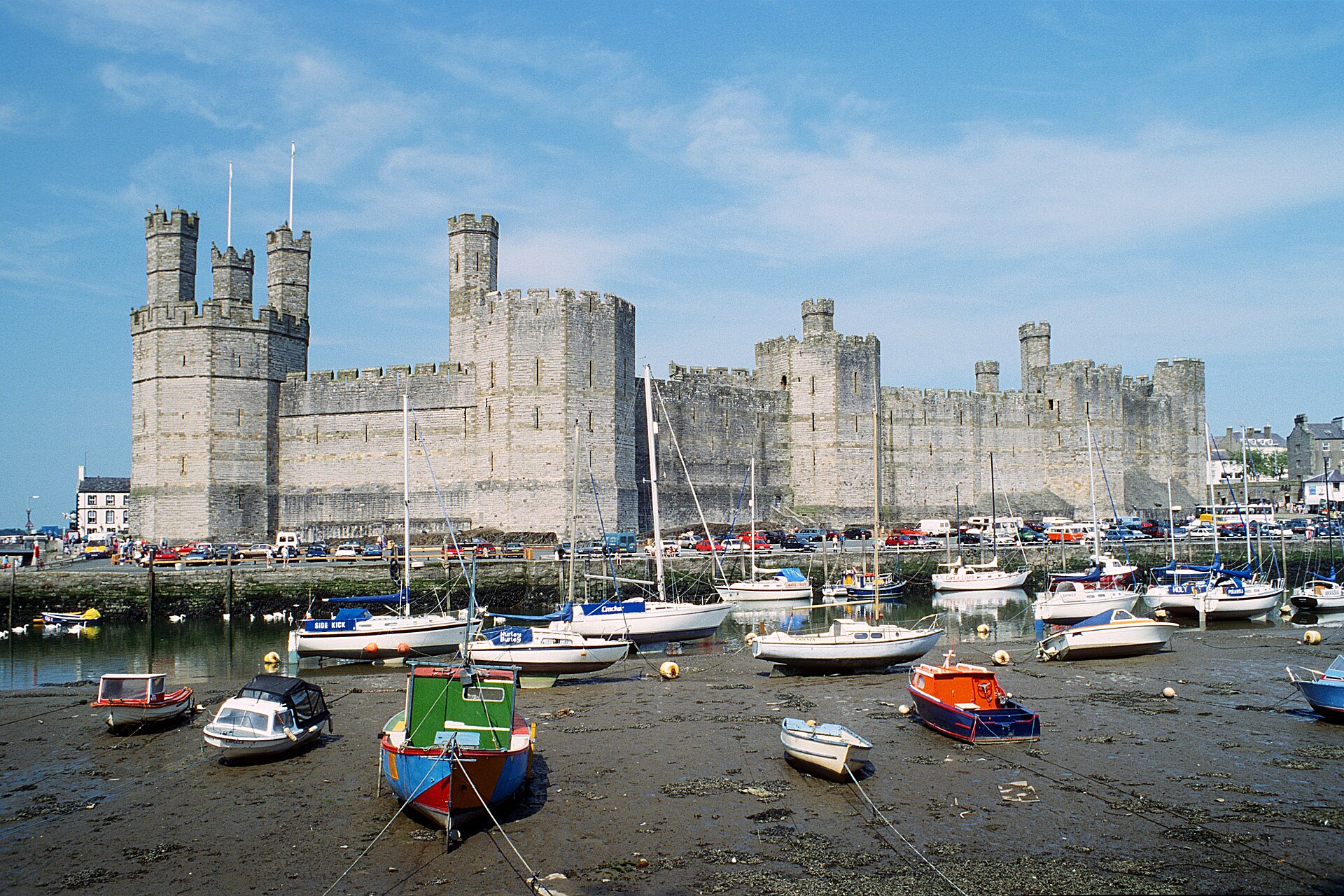
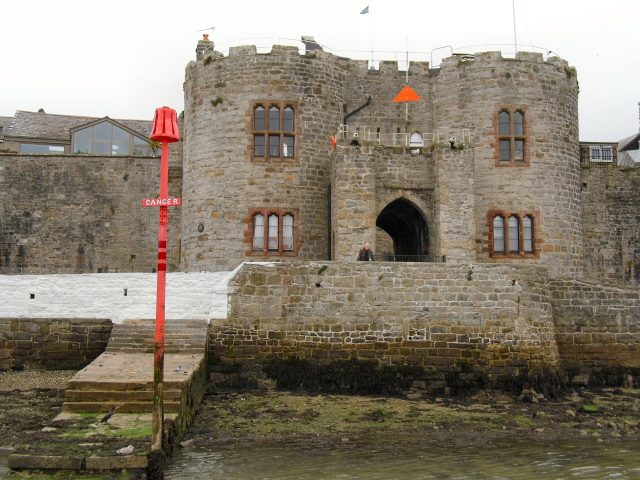
Caernarfon Castle rises from the banks of the Menai Strait, where the River Seiont meets the Irish Sea. Its imposing walls and towers dominate the town, a silent witness to an era when Wales was not just a part of Britain but a land of its own, defiant and proud. Built in the late 13th century at the command of King Edward I of England, the castle was meant to be a symbol of conquest—a statement of power over the Welsh. Yet over time, it became something more: one of the most recognizable landmarks in the country, not just for its architecture but for the role it played in shaping history.
Construction began in 1283, and within a few years, Caernarfon became part of Edward’s "Iron Ring," a chain of fortresses designed to subdue Wales. Other castles in this network—Harlech, Conwy, Beaumaris—each had their own stories, but Caernarfon was different from the start. It wasn’t just a military stronghold; it was meant to be an administrative hub, complete with royal residences, audience halls, and even a mint. The town that grew around it was also carefully planned, with straight streets and fortified walls, a rarity in medieval Britain. This was no accidental settlement but a deliberate act of control, a new center of power in a land that had resisted English rule for centuries.
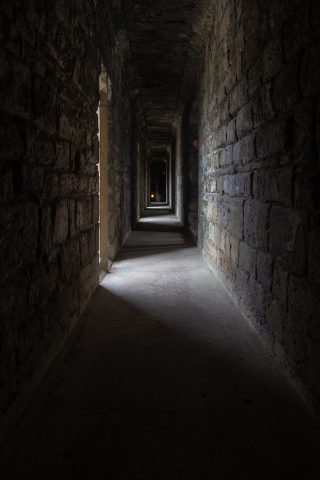
The castle’s architecture is striking, even to those who know little of history. Its walls, built from local gray slate and sandstone, give it a rugged, almost unyielding appearance. The most unusual feature is its polygonal towers, a design not commonly seen in English fortifications of the time. Some believe Edward I was inspired by the walls of Constantinople, which he had seen during the Crusades. Inside, the castle retains its medieval character—vaulted ceilings, spiral staircases, and the remnants of royal chambers where feasts and councils once took place. The Eagle Tower, named for the carved birds that once adorned its facade, still stands, though the original sculptures have long since vanished.
Caernarfon is deeply tied to the story of Welsh resistance. It was here, in 1284, that Edward II, the future King of England, was born—a calculated move meant to symbolize the final subjugation of Wales. Yet just two decades later, the Welsh rose in rebellion under Madog ap Llywelyn, and the castle withstood a siege. During the Wars of the Roses, it changed hands multiple times before losing its military importance. By the 17th century, it had fallen into disrepair, its stones even scavenged by locals for building material. It wasn’t until the 19th century that restoration efforts began, and in the 20th century, it was recognized as a UNESCO World Heritage Site.
Today, Caernarfon Castle is far more than an open-air museum. It’s a place where history feels tangible, where every stone seems to carry the weight of the past. Visitors wander its courtyards, children play at being knights, and locals stroll through its grounds as if it were just another park. In the summer, medieval festivals and battle reenactments bring the past to life, but even without them, the castle never feels like a relic. Perhaps that’s because it still echoes with the voices of those who once ruled, plotted, and dreamed within its walls. From the top of its towers, the view stretches over the town, the harbor, and the distant hills of Snowdonia—a landscape unchanged since the days when sentries kept watch seven centuries ago.
The town of Caernarfon, nestled at the castle’s feet, is worth exploring in its own right. Its streets, lined with the same gray stone as the fortress, follow the medieval layout, winding past shops, pubs, and houses that have stood for generations. There’s no rush here, no sense of a place trying too hard to impress. The harbor is still home to fishing boats, the market offers local cheeses and seafood, and in the pubs, you might hear Welsh spoken as often as English. The town and the castle are inseparable—one wouldn’t exist without the other, and together, they create a place that feels both timeless and alive.
Caernarfon is often called the gateway to Snowdonia, the national park that lies just to the east. Many hiking trails begin here, leading to the peaks of Wales, including Snowdon, the country’s highest mountain. But you don’t need to be a hiker to appreciate the landscape. A walk along the waterfront or a climb to one of the castle’s towers offers a view of the hills in the distance, their slopes green and rolling. On a clear day, the sea and sky seem to merge, and the clouds cast shifting shadows over the land.
More than just a stone fortress, Caernarfon Castle is a living piece of history. It stands as a reminder of how borders shift, how power changes hands, and how empires rise and fall. Yet through it all, the land remains, and the people who call it home endure. Today, the castle belongs to everyone—tourists, locals, and even those who pass by without stopping. That might be why it never feels distant or alien, despite its age. Here, the past isn’t something locked away in a display case; it’s something you can touch, something that still breathes. And in that way, Caernarfon is as much a part of the present as it is a monument to the past.