The Royal Welsh Fusiliers Museum in Caernarfon holds the regiment’s history through soldiers’ stories, battle-worn relics, and the old armory that houses them. Inside a medieval castle, it shows one of Wales’ military units without the grandeur of traditional war museums. It remembers ordinary people in extraordinary moments.
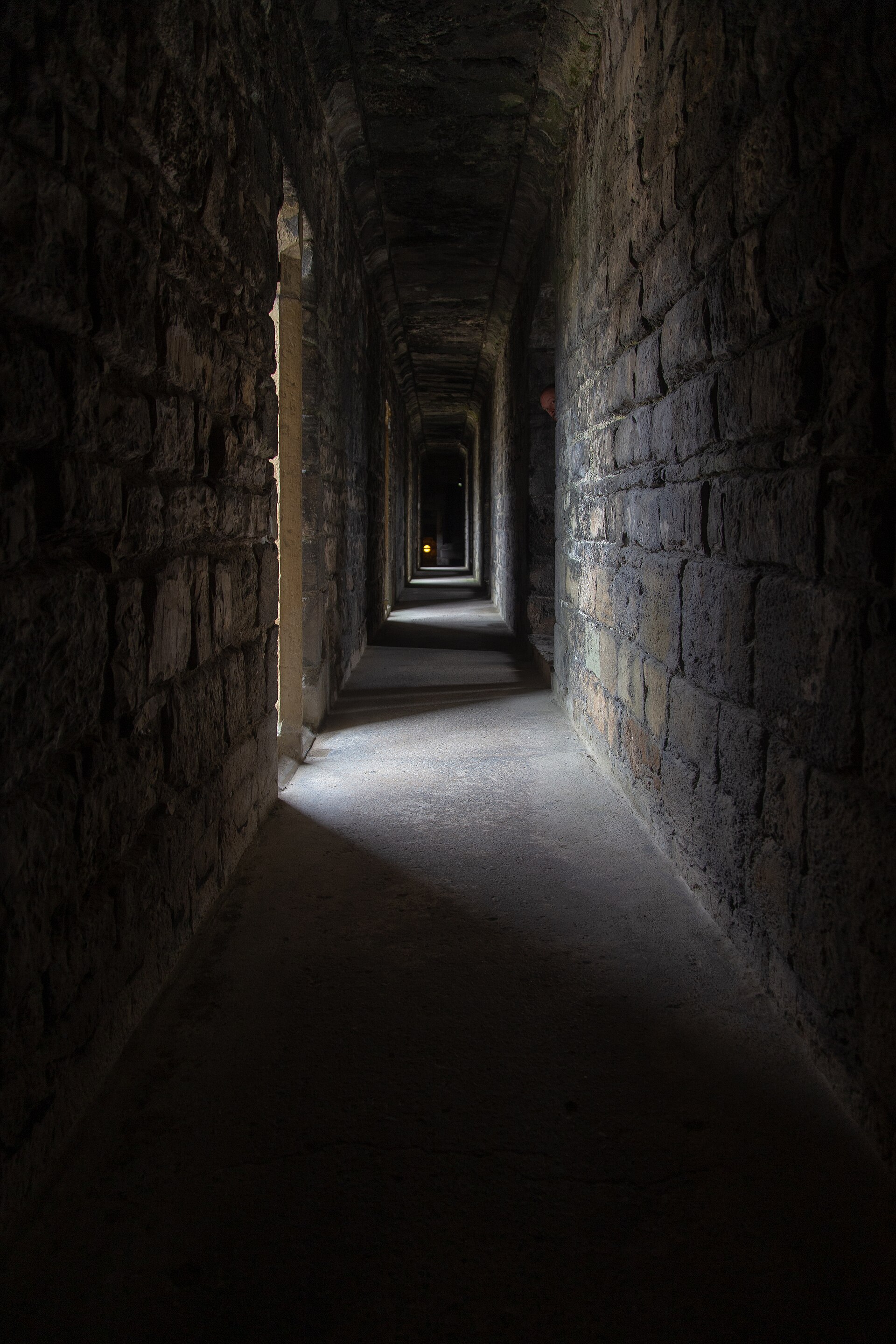
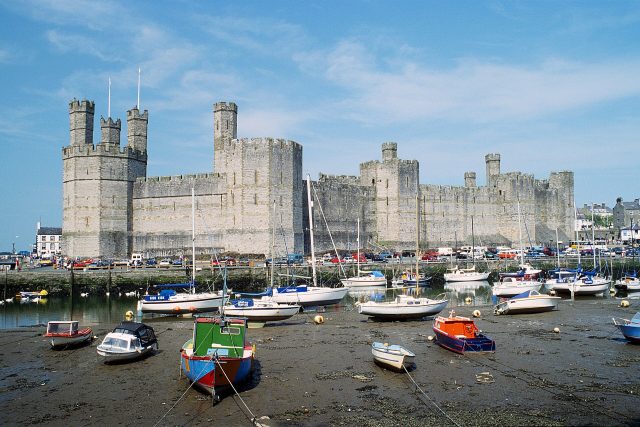
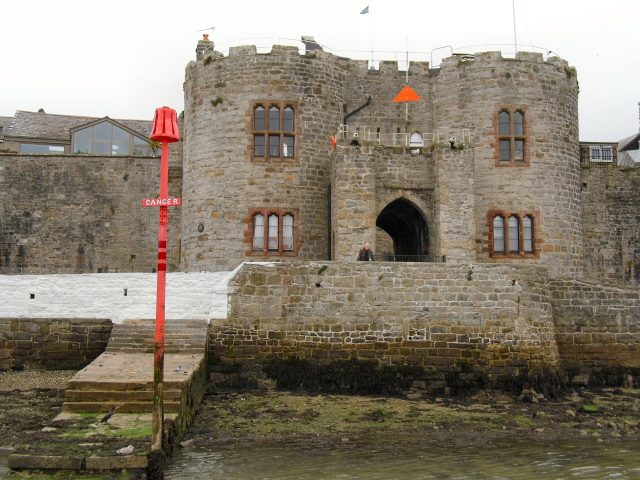
The building is part of the story. Caernarfon Castle, built in the late 13th century under Edward I, was a symbol of English dominance over Wales. Its walls and towers projected power, but the fortress became part of Welsh identity. The museum occupies one wing, a home for a regiment tied to this region. Stone corridors and vaulted ceilings make the past feel close.
The Royal Welsh Fusiliers were formed in 1689, with roots in militias that defended Welsh lands during civil war and rebellion. Over three centuries, the regiment fought in nearly every major British conflict, from the Napoleonic Wars to the world wars. Exhibits include uniforms, weapons, medals, and personal items—frontline letters, officers’ ceremonial dress, and collections from the First and Second World Wars.
What makes this museum different is its focus on people. Instead of listing dates and battles, it shows how military service shaped lives. Photographs of soldiers hang beside diaries, battlefield souvenirs, and children’s drawings sent from home. Some exhibits tell of Welsh soldiers who fought in India, Africa, or the trenches of Europe while holding onto their language and traditions. A faded letter in Welsh, a handwritten poem, or a hymnbook tell more than official accounts.
The castle’s stone arches create a quiet space. Narrow windows cast light on history. Some rooms keep original features—oak beams, iron-studded doors, cannon fire scars. This isn’t a staged setting; it’s where soldiers lived and trained. Walking through, you wonder about the men who stood here centuries ago.
The museum also shows the regiment’s place in local life. In Caernarfon, the Fusiliers were part of the community. Their parades and drills brought the town together. Exhibits cover the regiment’s bands, sports teams, and role in education. For many Welsh men, joining wasn’t just duty—it was a chance to see the world or find purpose.
The collection highlights the Welsh language. Soldiers kept it alive even in war. The museum displays Welsh orders, trench newspapers, and recordings of songs sung in dugouts. These show the people behind the uniforms—their roots, beliefs, and memories. For Welsh visitors, seeing their language here can feel personal.
Visiting is as much about the place as the exhibits. Caernarfon is a town of medieval walls and narrow streets. The museum fits into this landscape, connecting past and present. There’s no glorification of war—just the stories of those who served and what they endured. Some come to honor ancestors, others for history, or to reflect on human resilience.
The museum doesn’t offer easy answers. It lets visitors step into soldiers’ lives, seeing war through their eyes—not as battles, but as personal experience. Whether you come for history, family ties, or curiosity, the stories stay with you.