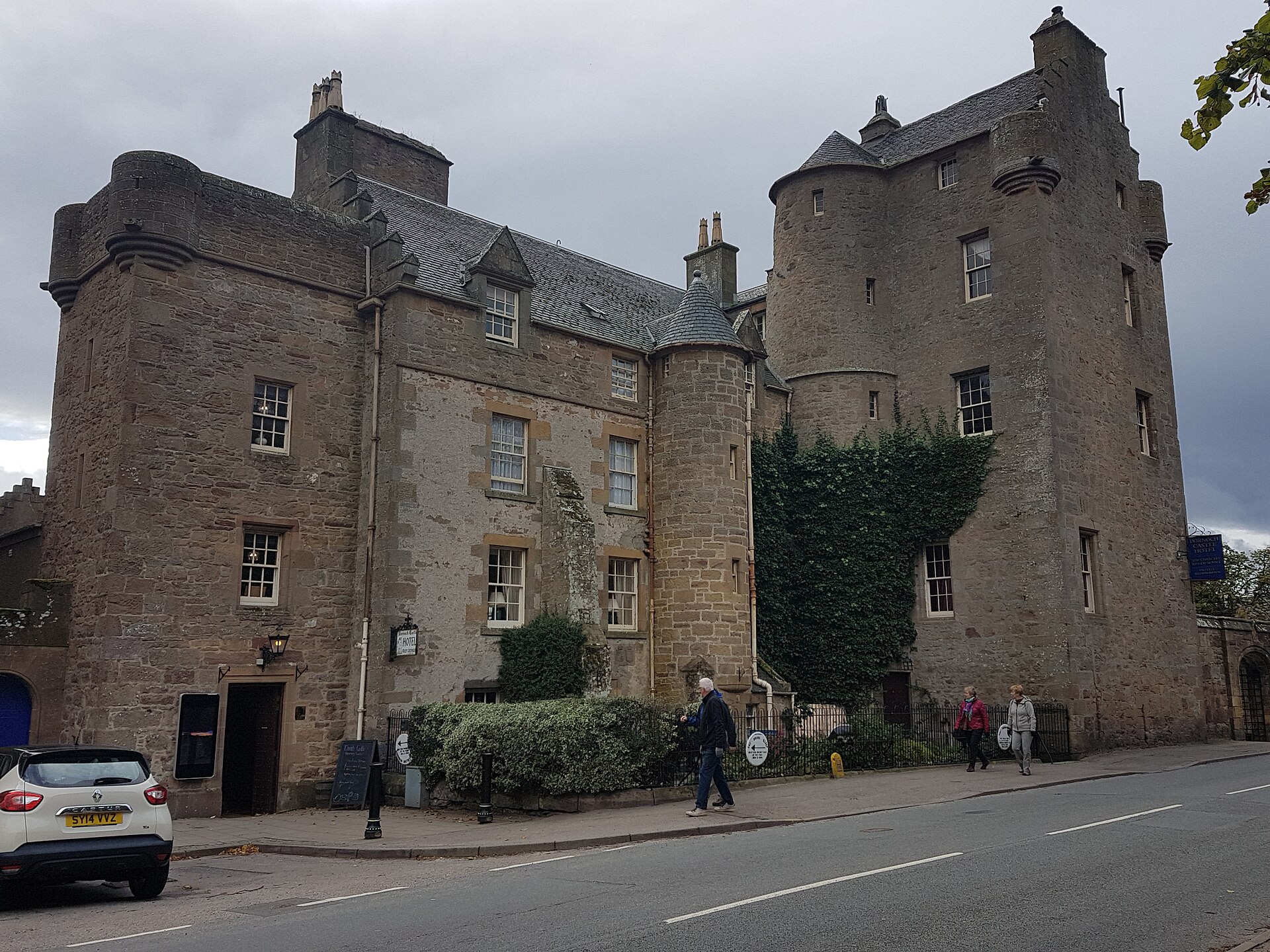
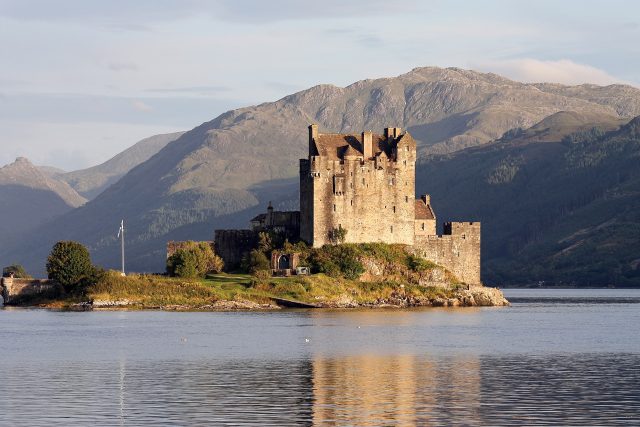
Perched on a low hill above the quiet village of Dornie, the ruins of Dornie Castle are a quiet witness to centuries of Highland history. The moss-covered stones blend into the windswept moors and rocky shores of the Dornoch Firth, their weathered surfaces telling stories of power, conflict, and the slow passage of time. Though little remains of the original structure, the fragments that stand today offer a glimpse into an era when this corner of Scotland was a battleground for clans and a stronghold of religious authority.
The first fortifications here were built in the 12th century, when the bishops of Caithness chose this site as both a spiritual and military center for the region. Dornie’s location was strategic—it sat along trade routes stretching north to the Orkney Islands and west into the heart of the Highlands. The castle served as a residence, a fortress, and a symbol of the bishops’ influence, overseeing the movement of goods and people through this remote but vital landscape.
By the 13th century, during Scotland’s Wars of Independence, Dornie Castle became a contested prize. It changed hands multiple times as supporters of Robert the Bruce clashed with English forces. The castle’s walls bore witness to sieges and shifting loyalties, its stones absorbing the weight of a nation’s struggle for sovereignty. Yet even as battles raged, life in the surrounding lands continued—fishermen worked the firth, farmers tended the fields, and the rhythms of daily existence persisted beneath the shadow of conflict.
The castle’s role as an episcopal residence faded by the 16th century, but its strategic importance endured. In 1570, it withstood a siege by the Mackay clan, a testament to its enduring strength. The last major renovations came during this period, with walls reinforced and new living quarters added. But by the late 17th century, the castle’s fortunes had waned. After the Acts of Union in 1707 united Scotland and England, its military purpose vanished. Over time, locals carried away its stones to build homes in Dornie, leaving behind only the most stubborn remnants of its past.
Today, the ruins are a place of stillness. The thick walls, now softened by grass and wildflowers, rise from the hill like the bones of some ancient creature. A lone tower fragment offers a vantage point over the firth, where the water shimmers under the sun and the wind shapes the clouds into ever-changing forms. On clear days, the light dances across the sand dunes and the distant hills, painting the landscape in hues of gold and blue. Visitors are few, and the silence is broken only by the cry of gulls and the rhythmic crash of waves against the shore.
The land around the castle is gentle—rolling meadows where sheep graze, their wool thick against the Highland chill. In the distance, the moors stretch out, a patchwork of heather and rock. Locals sometimes come here for picnics or quiet walks, though more often than not, the ruins stand alone, a silent sentinel over the firth. The air carries the scent of salt and damp earth, a reminder of the sea’s enduring presence.
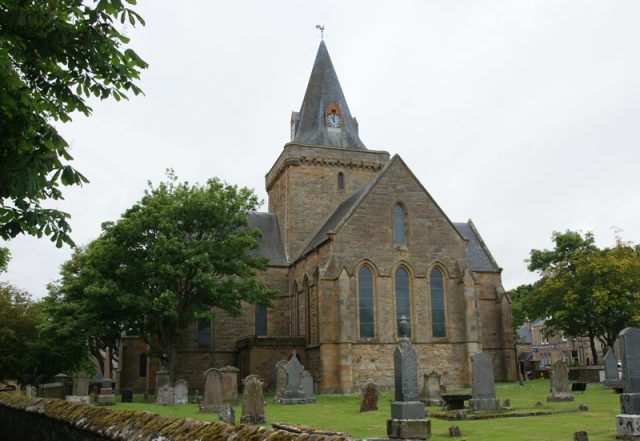
Just a short walk from the castle, Dornie’s cathedral stands in stark contrast to the ruins. Built around the same time as the castle, it has weathered the centuries far better. Its gray stone walls, pointed arches, and sturdy tower remain nearly intact, a testament to the craftsmanship of its builders. Inside, the light filters through stained glass, casting colored patterns onto the worn wooden pews. On Sundays, the sound of hymns drifts through the nave, a living connection to the past.
Together, the castle and the cathedral create a sense of timelessness in Dornie. Here, history isn’t confined to museums or plaques—it’s woven into the land itself. You can almost imagine the scene: a bishop holding court in the castle’s great hall before walking to the cathedral for evening prayers, or warriors of the Mackay clan scanning the firth from the tower, preparing for battle. The ruins and the cathedral stand as bookends to a story that spans centuries, their stones holding the echoes of voices long gone.
If you find yourself in Dornie, take your time. Wander through the village, step inside the cathedral, and climb the hill to the castle. Stay until dusk, if you can. As the sun sinks, the sky over the firth turns shades of pink and amber, and the shadows of the ruins stretch long across the grass. The wind carries the scent of the sea, and for a moment, the past feels very close indeed.